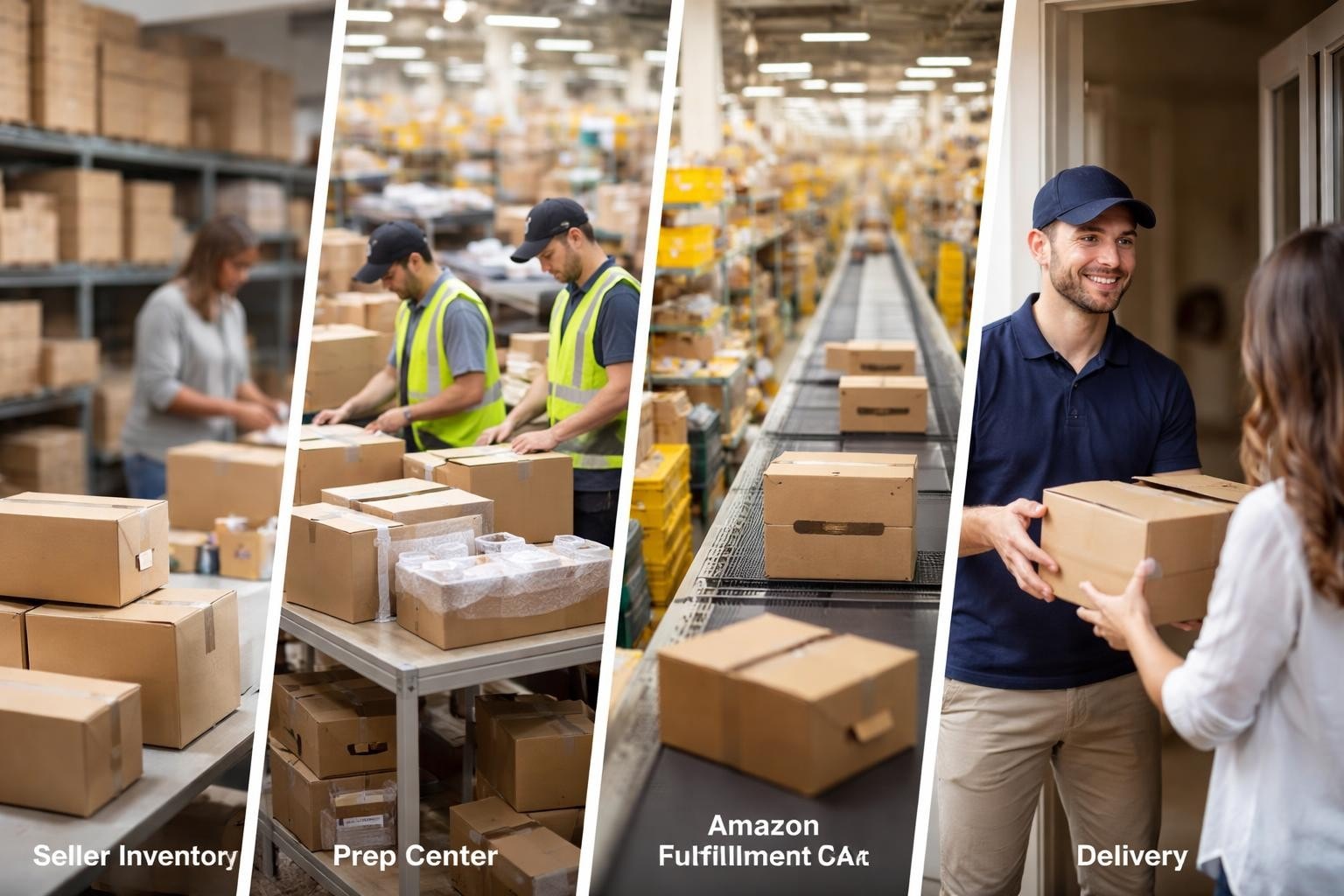

Imagine running an online store in 2026, where intelligent systems handle every repetitive task, and your team finally has time to focus on real growth. The pressure to deliver speed, personalization, and accuracy has never been higher in digital commerce.
Ecommerce automation is now the backbone of successful online retail, making operations more efficient, scalable, and customer-centric. This guide will show you how automation is transforming everything from inventory and order processing to marketing and support.
Curious how brands reduce errors, boost efficiency, and create better customer experiences? Learn how to leverage automation with actionable steps and best practices that will future-proof your ecommerce business.
What is Ecommerce Automation in 2026?
Ecommerce automation in 2026 refers to the integration of advanced technology, artificial intelligence, and sophisticated software to streamline and automate repetitive workflows in online retail. By automating core processes, brands reduce manual intervention and unlock new efficiencies. Today, ecommerce automation is more than just a set of tools—it is a strategic foundation that empowers businesses to focus on growth, innovation, and customer satisfaction.
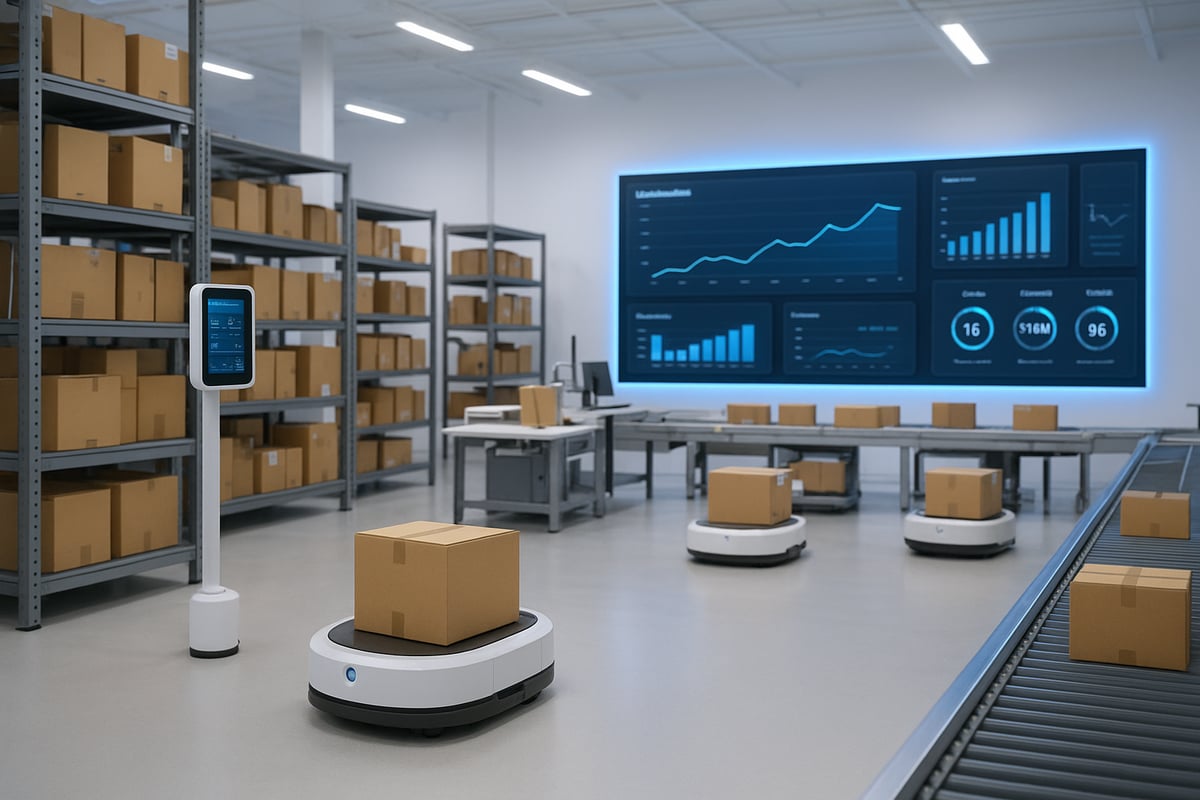
The Evolution of Ecommerce Automation
Over the past decade, ecommerce automation has evolved from basic task automation to orchestrated, AI-driven workflows. Early solutions focused on single-step automations, like sending confirmation emails or updating inventory when orders were placed. In 2026, platforms harness real-time data and machine learning to make predictive decisions, optimize processes, and adapt to changing market demands.
The integration of artificial intelligence and unified data systems has been a game changer. According to Agentic AI and unified commerce in 2026, agentic AI enables seamless orchestration of complex workflows, allowing businesses to deliver speed, personalization, and accuracy at scale. This level of ecommerce automation is setting new standards for operational excellence.
Scope: Where Ecommerce Automation Delivers Impact
The reach of ecommerce automation in 2026 is broad and transformative. Brands leverage automation across:
- Inventory management with real-time tracking and predictive restocking
- Order processing and fulfillment, including automated routing and shipping notifications
- Customer service through AI-powered chatbots and self-service portals
- Marketing automation, delivering personalized campaigns and dynamic recommendations
- Fraud detection, using machine learning to flag suspicious activity
For example, automated inventory systems now reorder stock based on predictive analytics, ensuring popular products are always available and reducing the risk of stock-outs. As a result, 75% of commerce brands have adopted automated self-service and order support capabilities, according to IBM and ChannelSight.
Differentiators in 2026: Smart, Integrated, and Strategic
What sets ecommerce automation apart in 2026 is the seamless integration of AI, machine learning, and real-time analytics throughout the business. These technologies enable smarter decision-making, from dynamic pricing to personalized recommendations. Unlike previous generations, automation platforms now align with broader business goals, supporting scalability, agility, and customer-centric strategies.
Ecommerce automation is no longer a convenience—it is a necessity for brands aiming to scale and compete in an ever-evolving market. Platforms are designed to work in concert with every department, driving efficiency and supporting data-driven growth.
Why Ecommerce Automation is Essential for Modern Brands
Meeting the demands of today’s online shoppers is more challenging than ever. Customers expect fast delivery, personalized experiences, and error-free service every time they interact with a brand. To keep up, modern businesses are turning to ecommerce automation as a core strategy.
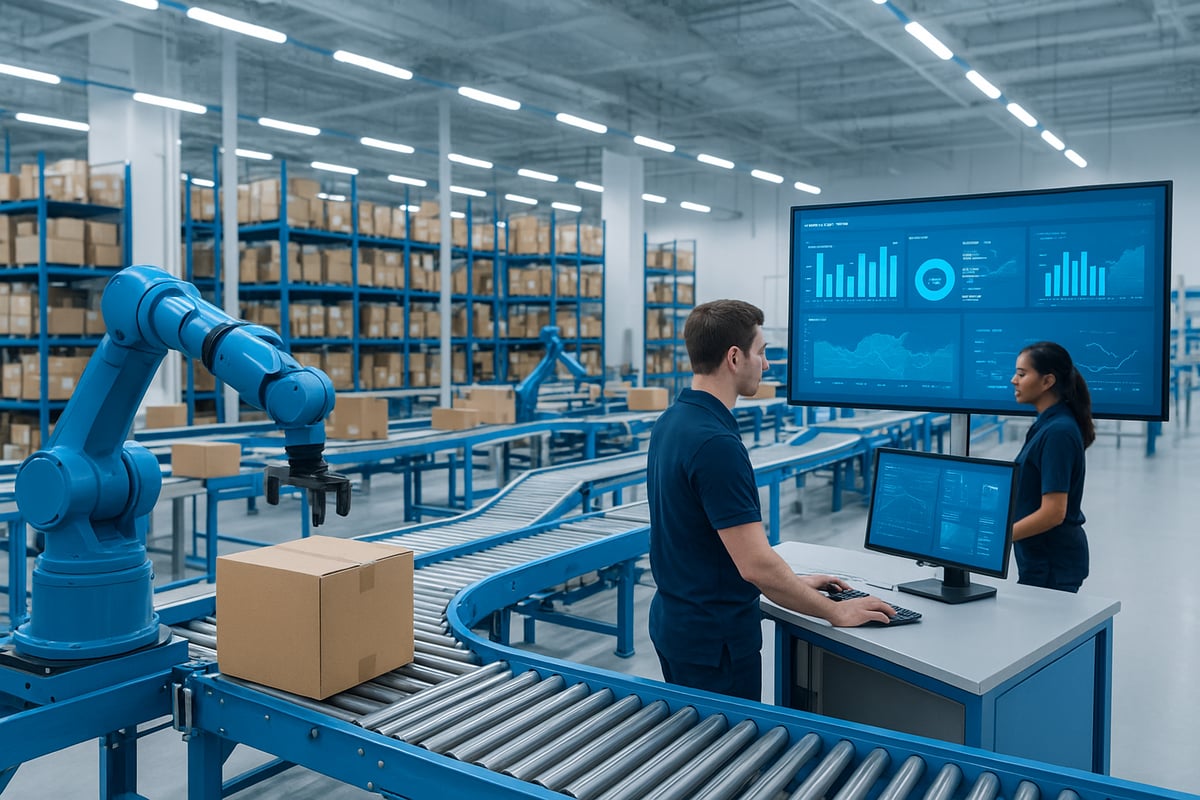
The complexity of managing an online store increases as brands expand to multiple sales channels and handle higher order volumes. Manual processes can no longer keep pace with the intricacies of inventory, order management, and customer engagement. Ecommerce automation addresses these pain points, allowing businesses to operate efficiently at scale.
Key benefits of ecommerce automation include:
- Increased accuracy: Automated workflows minimize human error in tasks such as data entry, order fulfillment, and inventory tracking.
- Efficiency gains: Routine operations like order processing, shipping updates, and customer notifications happen instantly, freeing staff for higher-value work.
- Scalability: Brands can grow without needing a proportional increase in staff, as systems handle spikes in demand smoothly.
- Enhanced customer experience: Personalized marketing, real-time updates, and proactive service improve satisfaction and loyalty.
- Informed decision-making: Real-time analytics provide actionable insights, helping leaders respond quickly to trends and challenges.
For example, automated order status updates reduce support tickets and keep customers informed throughout the fulfillment process. This not only increases satisfaction but also streamlines internal operations. According to ChannelSight, 64% of commerce professionals say that meeting customer expectations is harder than ever, underscoring the urgency for robust ecommerce automation.
Data shows that brands adopting automation in sales and marketing see up to 80% more leads and a 45% improvement in ROI (Oracle via ChannelSight). These gains highlight how automation is foundational for consistency, agility, and long-term growth in e-commerce.
Integrating advanced solutions such as Scalable Fulfillment Solutions for Automation further empowers brands to automate complex logistics, reduce shipping costs, and maintain high accuracy. This comprehensive approach ensures that businesses remain competitive in a rapidly evolving market.
Ultimately, ecommerce automation is no longer a luxury but a necessity. By leveraging intelligent technology, brands can deliver the seamless, personalized experiences today’s customers expect, while building the operational backbone needed for sustainable growth.
Key Areas and Workflows Best Suited for Ecommerce Automation
Ecommerce automation in 2026 is reshaping how brands operate, from the warehouse floor to the customer’s inbox. By targeting the right workflows, businesses can unlock new levels of efficiency, accuracy, and customer satisfaction. Let us explore the most impactful areas where ecommerce automation delivers measurable results.
Inventory Management & Supply Chain
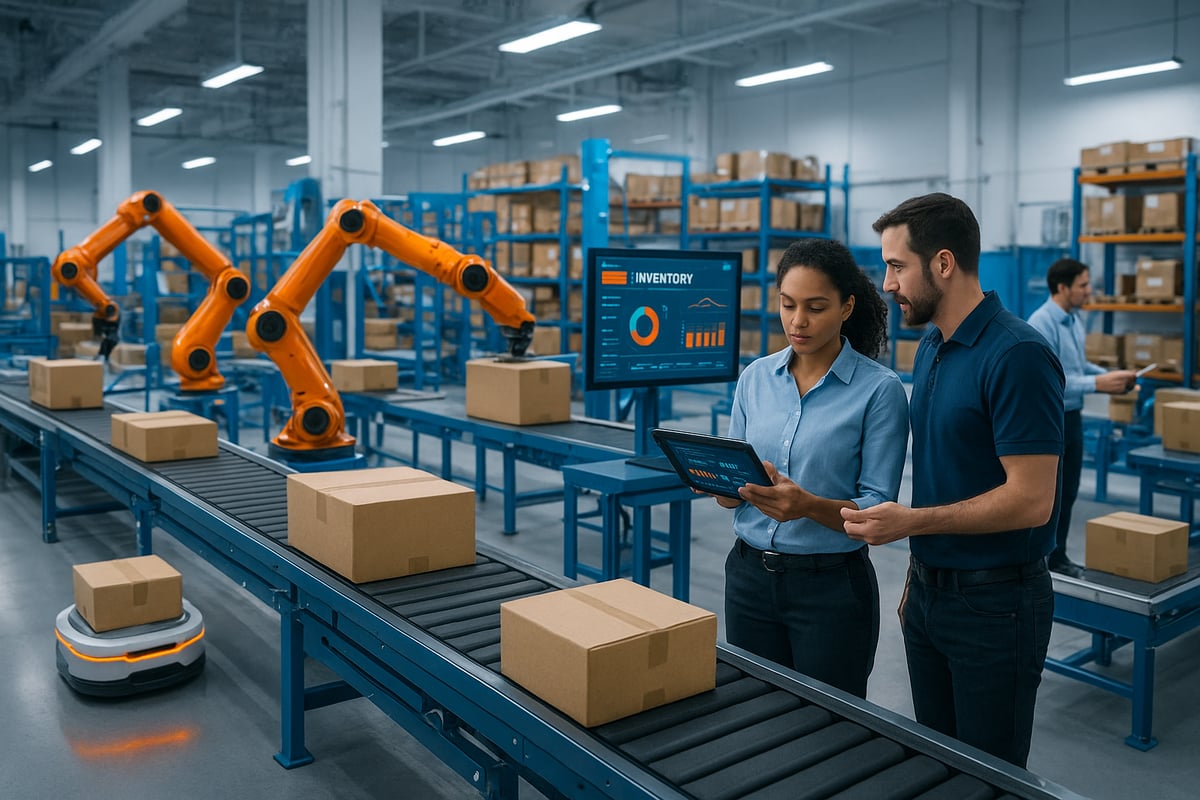
Inventory management is at the core of effective ecommerce automation. Modern systems enable real-time stock tracking and synchronization across multiple sales channels, reducing errors and preventing costly stock-outs or overselling. Automation platforms generate purchase orders automatically, communicate with suppliers, and leverage AI for demand forecasting.
Brands benefit from just-in-time restocking, minimizing carrying costs and manual data entry. For example, Frito-Lay’s automated assortment management uses predictive analytics to optimize inventory levels for each retailer. According to industry data, automation significantly lowers manual errors and improves supply chain responsiveness.
To learn more about logistics strategies that support automated workflows, visit this Ecommerce Logistics Solutions Overview page.
Order Processing & Fulfillment
Order processing is another area where ecommerce automation delivers substantial value. Automated workflows route orders to the appropriate warehouse or fulfillment center, trigger pick and pack operations, and generate shipping labels and tracking emails without manual intervention.
Handling exceptions, such as split orders or out-of-stock items, is streamlined through predefined rules. Returns are processed efficiently, with inventory updated automatically. Real-time analytics can flag checkout errors, potentially saving millions in lost revenue. Brands using ecommerce automation see improved order accuracy and better customer communication throughout the fulfillment process.
Customer Service and Support
Customer service has evolved with ecommerce automation. AI-powered chatbots and virtual assistants now provide 24/7 support, handling common inquiries, order tracking, and refunds instantly. Routine questions are managed automatically, while complex cases are escalated to human agents.
Integration with CRM systems allows for personalized responses based on customer history. For instance, YappyBuy’s AI assistant guides shoppers through purchasing decisions, reducing support workload and improving satisfaction. Brands adopting ecommerce automation report faster first-response times and higher productivity from support teams.
Marketing and Customer Engagement
Marketing automation is essential for building lasting customer relationships in ecommerce. Personalized email and SMS campaigns are triggered based on customer behavior, increasing engagement and repeat purchases. Automated segmentation helps tailor offers and manage loyalty programs.
Dynamic on-site content, product recommendations, and abandoned cart recovery are enabled by ecommerce automation, driving higher conversion rates. Automated loyalty rewards and targeted promotions keep customers returning, while analytics measure campaign effectiveness and customer lifetime value.
Fraud Detection and Security
Fraud detection is critical as ecommerce scales. Automation screens transactions in real time, flagging suspicious activity and holding questionable orders for review. Account security is enhanced by automated lockouts after failed login attempts and adaptive machine learning models that identify evolving fraud patterns.
Ecommerce automation acts as a scalable defense, allowing businesses to maintain security standards even as order volumes surge. Automated systems quickly adapt to new threats, providing peace of mind for both retailers and customers as they grow their digital operations.
Leading Tools and Technologies Shaping Ecommerce Automation in 2026
The ecommerce automation landscape in 2026 is defined by a powerful blend of advanced platforms, AI-driven solutions, and seamless integrations. Businesses now rely on a sophisticated toolkit to orchestrate every aspect of online retail, from order management to customer engagement. Selecting the right mix of technologies is central to achieving efficiency, accuracy, and scalability in ecommerce automation.
Key Platforms Powering Ecommerce Automation
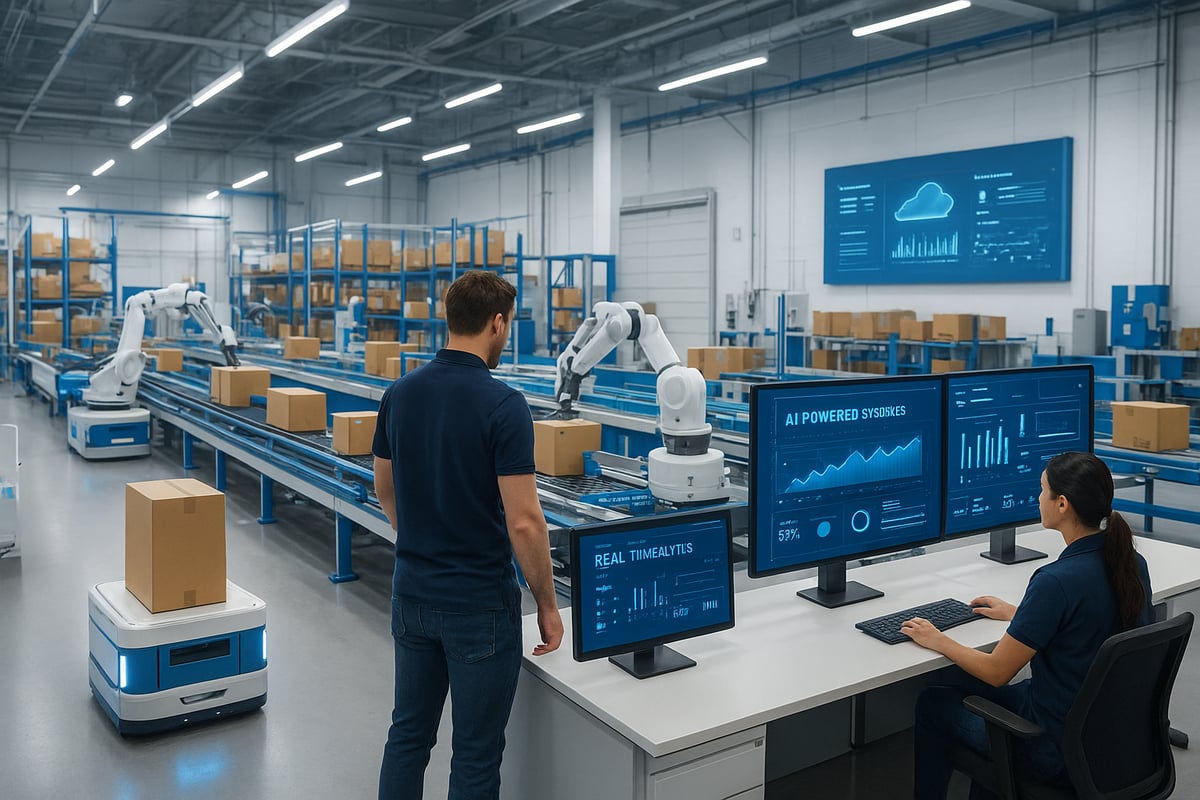
A wide range of platforms form the backbone of ecommerce automation in 2026. Shopify Flow and BigCommerce Automations enable merchants to automate repetitive tasks such as order routing and inventory updates. HubSpot and Mailchimp power automated marketing campaigns, while Gorgias streamlines customer support ticket management through AI-driven workflows.
Zapier remains a favorite for its flexibility, connecting hundreds of apps and automating cross-platform processes. These platforms allow brands to design customized workflows that adapt to changing business needs, ensuring ecommerce automation delivers measurable value.
Comparison of Leading Automation Tools
| Platform | Primary Use | AI Capabilities | Integration Strength |
|---|---|---|---|
| Shopify Flow | Workflow automation | Basic rule-based AI | High (native) |
| Gorgias | Customer support automation | Advanced NLP/chatbots | High (CRM, email) |
| HubSpot | Marketing automation | Predictive analytics | High (CRM, ads) |
| Zapier | Cross-platform automation | Event-based triggers | Very high (APIs) |
AI, Machine Learning, and Predictive Analytics
Artificial intelligence and machine learning are at the heart of ecommerce automation advancements. Predictive analytics tools forecast demand, optimize inventory, and personalize customer experiences. Chatbots and virtual assistants provide instant support, while dynamic pricing engines adjust prices in real time to maximize conversion.
IBM watsonx® is a leading example, using AI to orchestrate complex workflows and deliver actionable insights. These innovations ensure ecommerce automation adapts to market trends and customer behaviors with precision.
Integration Solutions and Real-Time Data Flow
Integration is crucial for unified ecommerce automation. iPaaS (Integration Platform as a Service) and custom APIs facilitate seamless data flow between e-commerce platforms, CRMs, ERPs, and fulfillment providers. Real-time synchronization prevents data silos and manual errors. For a deeper dive into how integration solutions enable end-to-end ecommerce automation, see Integrations for Automated Ecommerce.
Cloud-based architectures support peak demand, such as during Black Friday sales, by scaling resources instantly. This flexibility keeps operations resilient and responsive, regardless of order volume.
Analytics, Reporting, and Performance Monitoring
Modern ecommerce automation platforms offer real-time analytics dashboards, empowering brands to monitor KPIs like order accuracy, response times, and conversion rates. Leading fulfillment partners now achieve 94% order accuracy by leveraging automation and analytics. These insights drive continuous optimization, helping businesses refine strategies and stay ahead of competitors.
The Importance of the Right Tech Stack
Selecting the right combination of tools and technologies is essential for effective ecommerce automation. A unified, integrated tech stack reduces manual work, increases speed, and enhances the customer experience. In 2026, brands that invest in scalable, AI-powered solutions position themselves for sustainable growth and operational excellence in the dynamic ecommerce landscape.
How to Implement Ecommerce Automation: Step-by-Step in 2026
Adopting ecommerce automation is not just about installing software, it is a strategic process that transforms your entire business. By following a clear, step-by-step approach, you can unlock efficiency, reduce errors, and position your brand for long-term growth. Let us break down the implementation process into six actionable steps.
Step 1: Assess Business Needs and Identify Automation Opportunities
Begin your ecommerce automation journey by mapping out your current workflows. Identify repetitive tasks, bottlenecks, and areas where errors commonly occur. Engage your team to surface operational pain points, as their first-hand experience is invaluable.
Prioritize functions that will deliver the highest impact, such as order processing, inventory management, or customer service. For instance, automating inventory alerts or follow-up emails can provide immediate value. This assessment sets the foundation for a targeted automation strategy, ensuring your efforts align with business goals and deliver measurable results.
Step 2: Choose the Right Tools and Integration Partners
Selecting the right technology is key to successful ecommerce automation. Evaluate platforms for compatibility with your existing systems, scalability for future growth, and ease of integration. Look for cloud-based, AI-enabled solutions to stay ahead as your business evolves.
Ensure your chosen tools connect seamlessly with your ecommerce, CRM, ERP, and marketing platforms. Popular options like Zapier and Shopify Flow simplify workflow automation across different apps. By choosing integration partners wisely, you future-proof your operations and avoid costly disruptions down the line.
Step 3: Design and Map Automated Workflows
With your tools in place, design clear and logical automated workflows. Define the specific triggers, rules, and actions needed for each process within your ecommerce automation framework. Use visual aids like flowcharts or automation builders to map out each step.
Incorporate exception handling for scenarios such as out-of-stock items or suspected fraud. Testing your workflows in a sandbox environment ensures reliability before full deployment. Well-mapped processes reduce errors, improve consistency, and make scaling your automation easier as your business grows.
Step 4: Integrate Systems for Seamless Data Flow
Seamless data integration is crucial for effective ecommerce automation. Implement APIs or integration platform as a service (iPaaS) solutions to synchronize information across your platforms. Real-time updates for inventory, orders, and customer data prevent costly mistakes and improve decision-making.
Centralize your data to avoid silos, duplication, and inconsistencies. For example, automatic inventory updates across all channels and fulfillment partners ensure accurate stock levels and timely order fulfillment. Strong integration supports a unified and responsive ecommerce operation.
Step 5: Monitor, Optimize, and Scale Automation
Continuous improvement is at the heart of ecommerce automation. Track key performance indicators such as order accuracy, response times, conversion rates, and error rates. Utilize analytics dashboards for real-time monitoring, and gather feedback from staff and customers to refine your workflows.
As your business grows, scale automation to new areas like additional sales channels or product lines. For actionable advice on streamlining and optimizing your automated processes, explore these Tips for Optimizing Ecommerce Operations. Leading retailers use these methods to maintain agility and handle peak volumes with ease.
Step 6: Train Teams and Foster a Culture of Automation
Successful ecommerce automation depends on your people as much as your technology. Provide thorough training on new tools, workflows, and best practices. Encourage a mindset of continuous learning and innovation, making automation a core part of your company culture.
Assign automation champions to oversee adoption, troubleshoot issues, and share success stories. As teams transition from manual to automated processes, they can focus on strategic tasks that drive growth. Investing in your staff ensures long-term success and maximizes the benefits of automation.
Real-World Use Cases and Success Stories in Ecommerce Automation
Ecommerce automation is no longer an abstract concept, but a measurable driver of competitive advantage. Across the industry, top brands are harnessing intelligent automation to streamline operations, cut costs, and deliver superior customer experiences. Let’s explore how leading companies are leveraging ecommerce automation for transformative results.
Frito-Lay’s “Snacks to You” program is a standout example of ecommerce automation in action. By automating inventory and assortment management for small retailers, Frito-Lay uses real-time product availability data to optimize recommendations and restocking. This approach reduces manual intervention, increases product variety, and ensures shelves are stocked with top-selling items.
A leading global retailer implemented real-time analytics to proactively detect and resolve checkout errors. Through ecommerce automation, the retailer saved $3 million by preventing lost sales and improving the checkout experience. Automated alerts and rapid issue resolution helped maintain high customer satisfaction and operational efficiency.
YappyBuy adopted an AI assistant that automates customer support, guiding shoppers through product selection and purchase decisions. This move reduced the workload on human agents and improved first-response times. According to the AI adoption in e-commerce customer interactions report, brands leveraging AI-driven support see higher efficiency and revenue growth, making ecommerce automation a critical enabler of conversational commerce.
Brands using Gorgias have automated up to 30% of customer service tickets, significantly improving response times and customer satisfaction. Automating repetitive support queries allows teams to focus on complex cases, while customers benefit from faster solutions. This reinforces how ecommerce automation enhances both productivity and the customer journey.
Retailers deploying marketing automation tools report up to an 80% increase in leads and a 45% boost in marketing ROI. Automated, personalized outreach and campaign management enable brands to scale engagement without expanding headcount. For more on how AI enables hyper-personalized experiences, see AI-driven personalization in e-commerce.
| Company | Automation Focus | Key Results |
|---|---|---|
| Frito-Lay | Inventory & assortment | Optimized restocking, reduced manual work |
| Global Retailer | Analytics for checkout | $3M saved, fewer lost sales |
| YappyBuy | AI customer support | Faster responses, lower workload |
| Gorgias Users | Customer ticket automation | 30% tickets automated, higher satisfaction |
| Multiple Brands | Marketing automation | 80% more leads, 45% higher ROI |
Ecommerce automation is delivering tangible returns across inventory, order management, support, and marketing. The most successful brands align automation initiatives with strategic goals and commit to continuous improvement for sustained growth and customer loyalty.
As you’ve seen throughout this guide, the future of ecommerce is all about working smarter—not harder—by embracing automation at every level of your operations. If you’re ready to streamline order fulfillment, boost your scalability, and keep your customers delighted, the right partner can make all the difference. At Ecom Automation Prep, we specialize in helping fast-growing brands like yours automate fulfillment with reliability and precision. Let’s explore how we can support your goals and take the hassle out of ecommerce logistics—reach out today to Get A Quote and start future proofing your business.