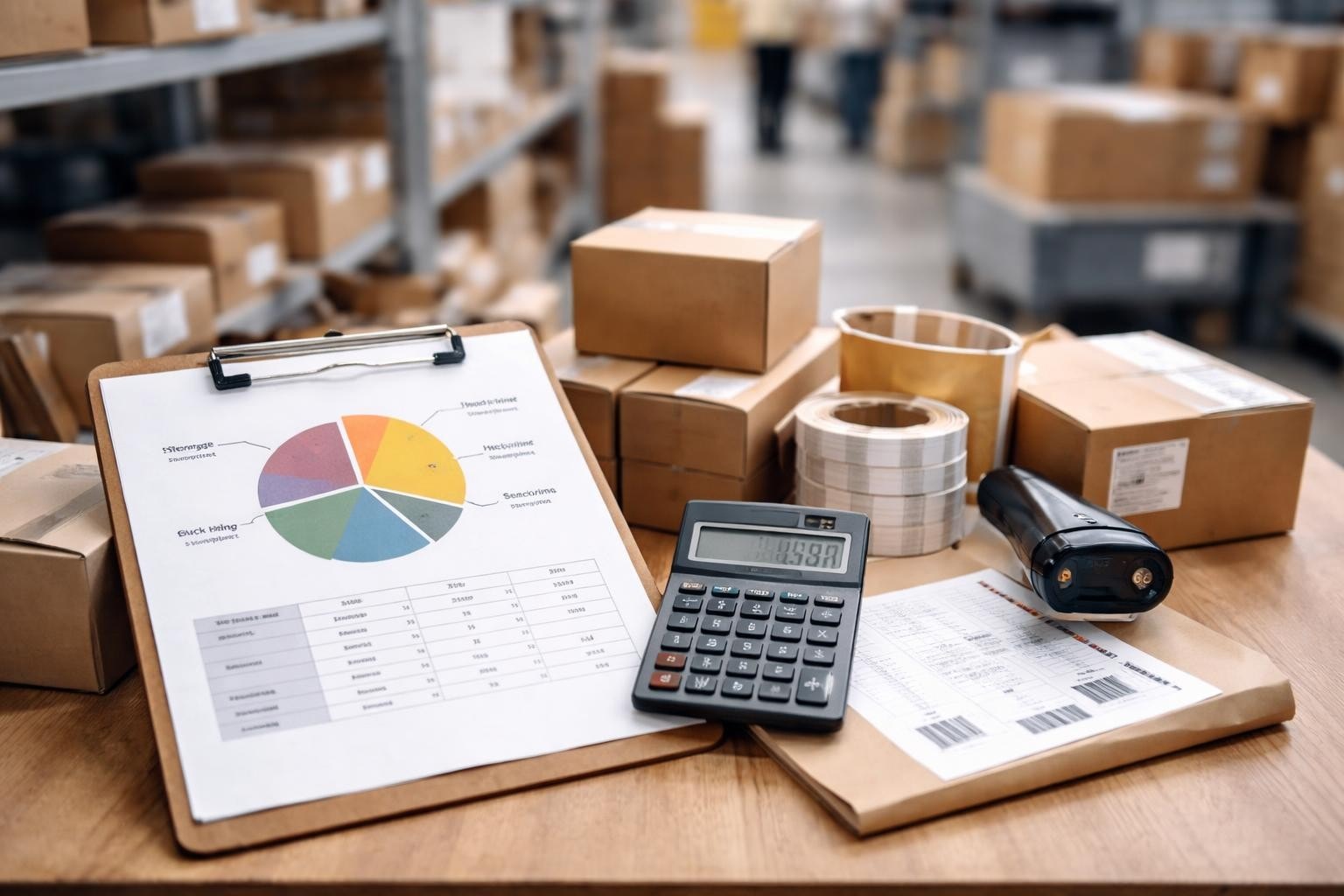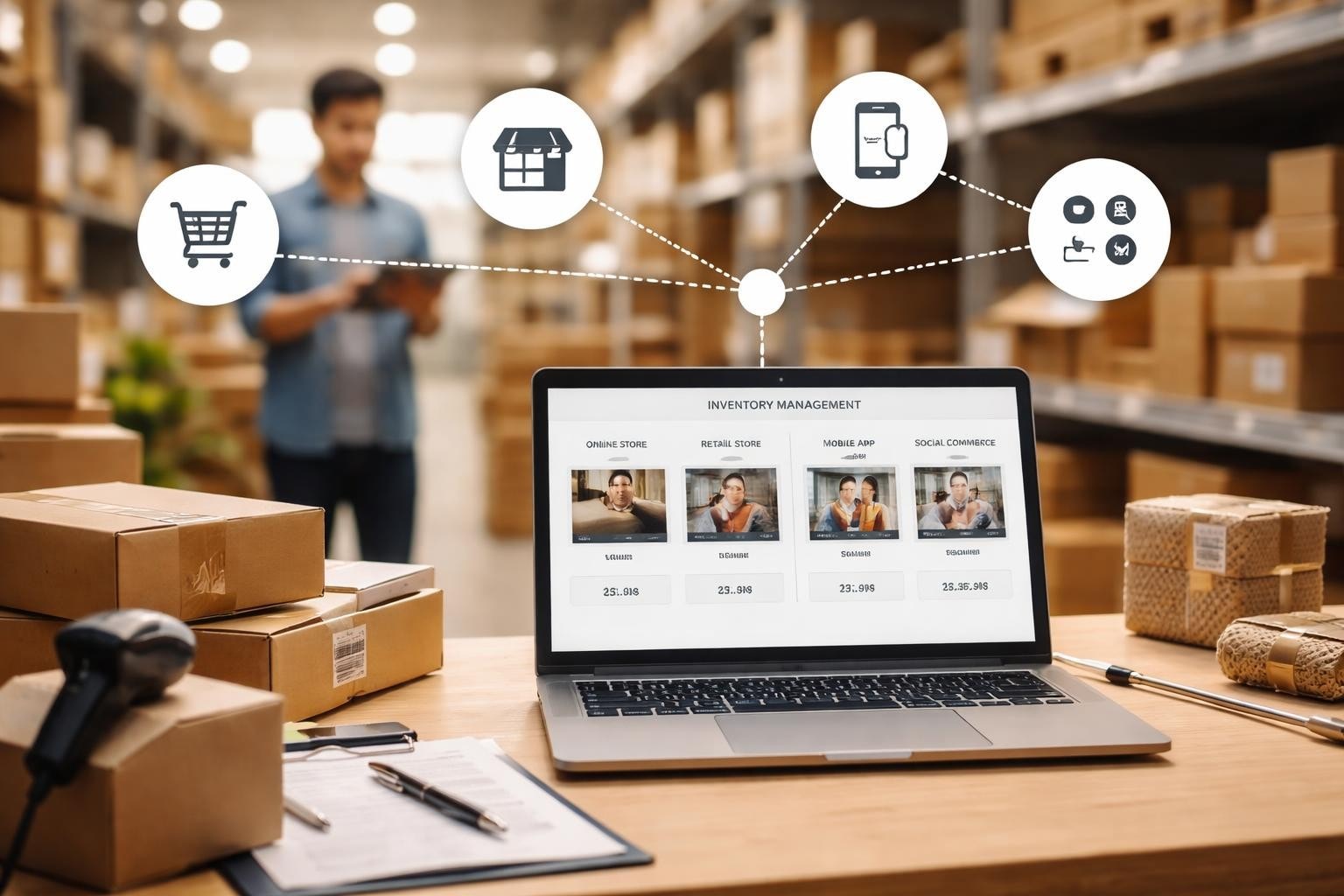
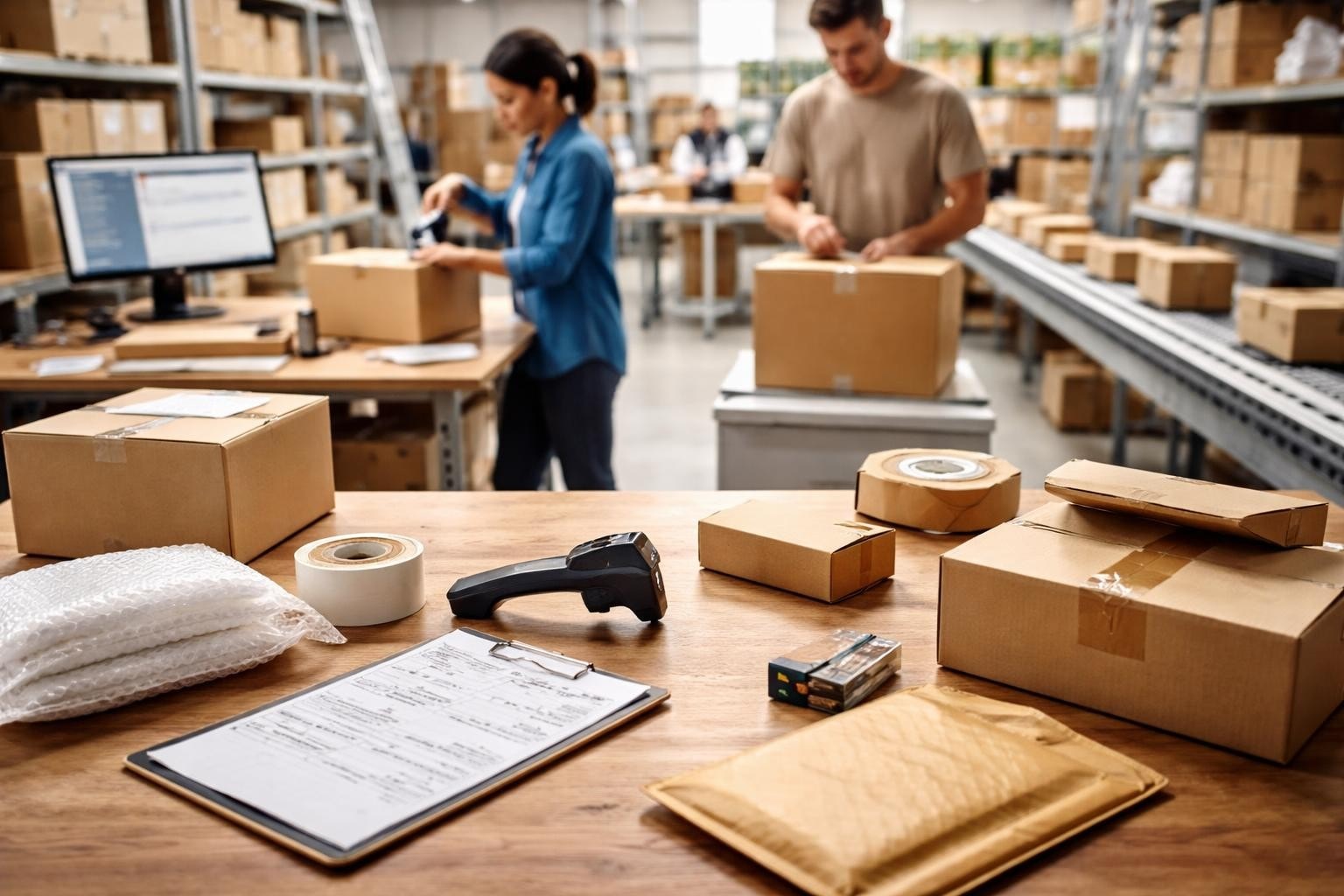

The e-commerce landscape in 2026 demands more than just great products and compelling marketing. Behind every successful online brand lies a sophisticated network of operational processes that ensure products reach customers accurately, quickly, and cost-effectively. Services fulfillment has emerged as the critical infrastructure that separates thriving e-commerce businesses from those struggling to keep pace with customer expectations. This operational backbone encompasses everything from receiving inventory to final-mile delivery, requiring careful orchestration of technology, logistics, and human expertise to create seamless customer experiences.
Understanding the Services Fulfillment Ecosystem
Services fulfillment represents the complete operational framework that transforms customer orders into delivered products. This comprehensive system includes inventory management, order processing, picking and packing, shipping coordination, and returns handling.
The core components of modern fulfillment include:
- Inventory receiving and storage optimization
- Real-time inventory tracking and management
- Order processing and accuracy verification
- Custom packaging and branding services
- Multi-carrier shipping coordination
- Returns processing and reverse logistics
The complexity of services fulfillment has increased dramatically as e-commerce brands expand across multiple sales channels. A single product might need to be prepared differently for Amazon FBA, direct-to-consumer orders, wholesale distribution, or subscription box services. According to comprehensive market research on service fulfillment trends, the adoption of AI and automation has transformed how businesses manage these varied requirements.
The Role of Specialized Fulfillment Services
Specialized fulfillment operations like Amazon FBA prep services demonstrate how targeted expertise can address specific marketplace requirements. Amazon's stringent labeling, packaging, and shipping standards require dedicated knowledge and processes that general warehouses often lack.
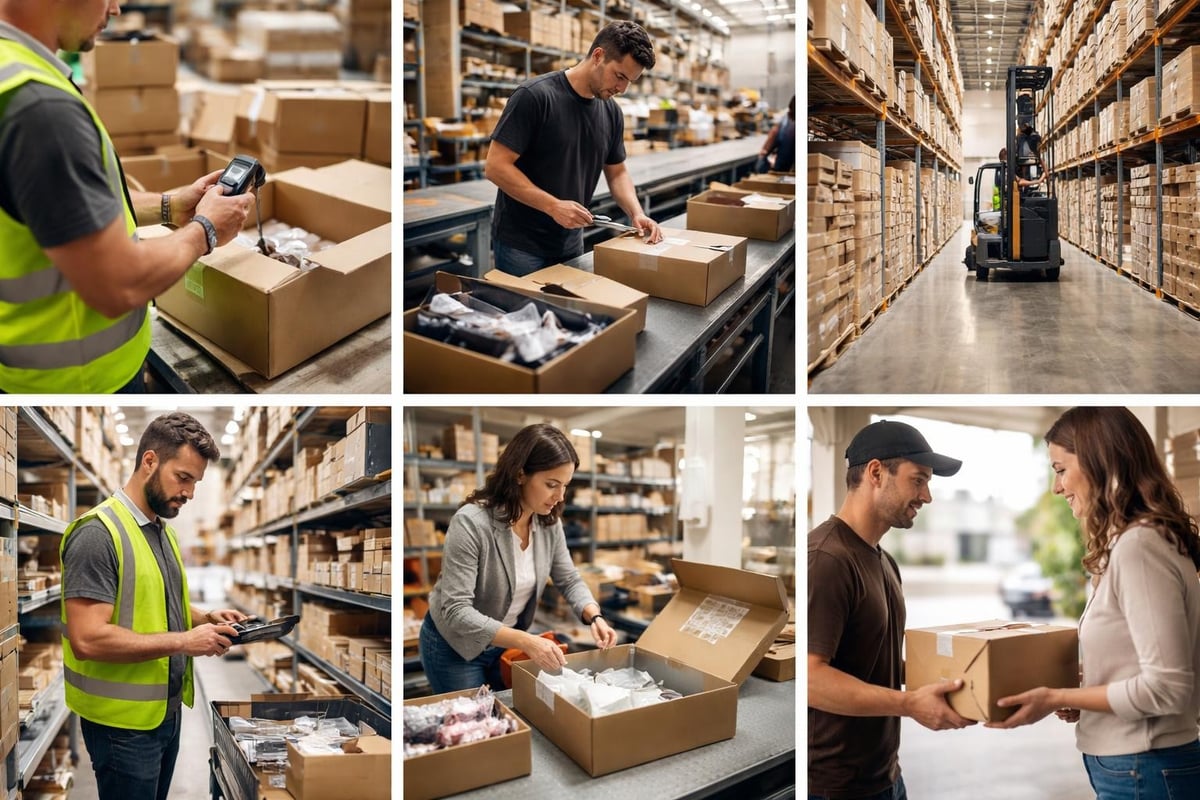
Beyond basic storage and shipping, modern services fulfillment providers offer value-added services that help brands differentiate themselves. Kitting and bundling services enable brands to create custom product combinations, seasonal gift sets, or promotional packages without managing complex assembly operations in-house.
| Service Type | Primary Benefit | Best For |
|---|---|---|
| Amazon FBA Prep | Marketplace compliance | Amazon-focused sellers |
| Direct-to-Consumer | Brand control, customer data | DTC brands |
| Kitting/Bundling | Product differentiation | Promotional campaigns |
| Subscription Fulfillment | Recurring revenue support | Subscription businesses |
| Reverse Logistics | Returns optimization | High-volume retailers |
Technology Integration in Services Fulfillment
The technological backbone of services fulfillment has evolved from simple spreadsheets to sophisticated warehouse management systems (WMS) that provide real-time visibility across the entire supply chain. These platforms integrate with e-commerce platforms, marketplaces, and shipping carriers to automate order routing and processing.
Modern fulfillment technology delivers several critical capabilities. Inventory synchronization across multiple sales channels prevents overselling and stockouts. Automated order routing directs shipments to the optimal fulfillment location based on inventory availability, shipping costs, and delivery speed requirements. Real-time tracking gives both brands and customers visibility into order status from warehouse to doorstep.
Automation and Efficiency Gains
Research from emerging service fulfillment market analysis shows that cloud-based platforms and automation continue to drive efficiency improvements. Automated picking systems reduce errors and increase throughput, while intelligent routing algorithms optimize shipping costs.
The integration of robotics in fulfillment centers represents another leap forward. While full automation suits high-volume operations, many mid-sized brands benefit from semi-automated solutions that combine human expertise with technological efficiency. This hybrid approach maintains flexibility while improving speed and accuracy.
Key technology considerations for services fulfillment:
- Integration capabilities with existing e-commerce platforms
- Real-time inventory visibility across all channels
- Scalability to handle peak season volume fluctuations
- Mobile accessibility for on-the-go order management
- Detailed reporting and analytics for continuous improvement
Strategic Advantages of Outsourced Services Fulfillment
Partnering with a specialized fulfillment provider offers strategic advantages that extend far beyond basic warehousing. Fast-growing e-commerce brands often reach an inflection point where in-house fulfillment becomes a bottleneck rather than a competitive advantage.
Outsourcing services fulfillment allows brands to redirect capital from warehouse leases, equipment, and labor toward growth-driving activities like product development and marketing. The variable cost structure transforms fixed overhead into scalable expenses that flex with sales volume.
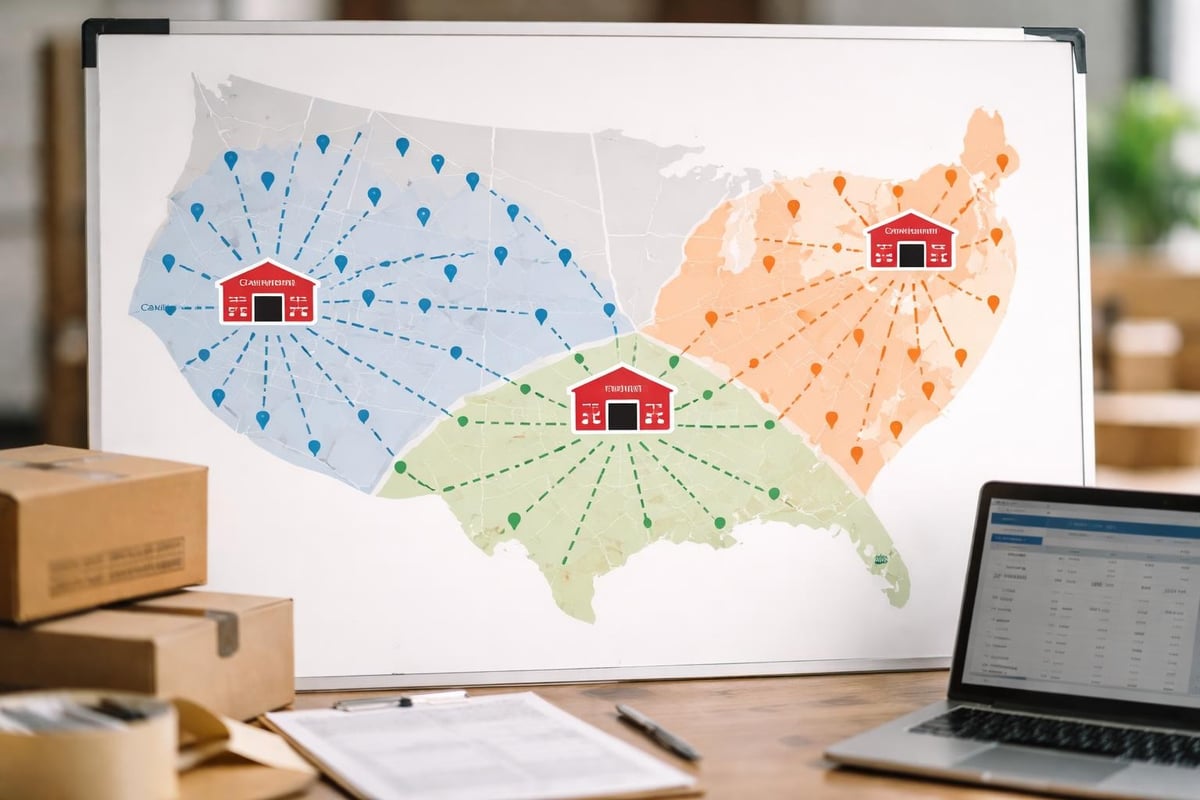
Geographic distribution becomes accessible without massive capital investment. Fulfillment partners with multiple locations enable faster delivery times and lower shipping rates through proximity to end customers. This distribution strategy, highlighted in industry research on hyperlocal warehousing, has become essential for meeting consumer expectations for rapid delivery.
Risk Mitigation and Business Continuity
Diversifying fulfillment operations reduces risk exposure. Natural disasters, labor disruptions, or facility issues can halt operations for brands dependent on a single location. Multi-location fulfillment networks provide redundancy and business continuity.
Compliance expertise represents another crucial advantage. Specialized fulfillment providers stay current with evolving marketplace requirements, shipping regulations, and packaging standards across different channels and regions. This expertise prevents costly errors and marketplace suspensions.
Optimizing Services Fulfillment for Different Business Models
Different e-commerce business models require tailored fulfillment approaches. Understanding these distinctions helps brands select the right fulfillment strategy and partner.
Marketplace Sellers
Amazon, Walmart, and other marketplace sellers face unique fulfillment requirements. Each platform maintains specific standards for labeling, packaging, and shipping preparation. Services fulfillment providers specializing in marketplace preparation ensure compliance while optimizing costs.
The decision between Fulfilled by Amazon (FBA) and Fulfilled by Merchant (FBM) depends on product characteristics, margin structure, and sales velocity. High-velocity items often benefit from FBA's Prime eligibility, while slower-moving or high-value products may perform better with FBM to avoid long-term storage fees.
Direct-to-Consumer Brands
DTC brands prioritize brand experience and customer relationships. Services fulfillment for these businesses emphasizes custom packaging, inserts, and unboxing experiences that reinforce brand identity. The ability to include promotional materials, personalized notes, or sample products adds value beyond basic order fulfillment.
Subscription box fulfillment represents a specialized DTC category requiring precise timing, custom curation, and sophisticated inventory management to ensure each shipment contains the correct product mix.
Omnichannel Retailers
Brands selling across multiple channels need fulfillment operations that support diverse order types. A single inventory pool must serve online orders, retail replenishment, wholesale distribution, and potentially in-store pickup. The current trends in fulfillment services emphasize the importance of flexible systems that adapt to various fulfillment models.
| Business Model | Fulfillment Priority | Key Challenge |
|---|---|---|
| Marketplace Seller | Compliance, speed | Platform-specific requirements |
| DTC Brand | Brand experience | Custom packaging costs |
| Subscription Service | Timing, accuracy | Complex kitting operations |
| Omnichannel | Inventory visibility | Channel coordination |
| B2B/Wholesale | Order size flexibility | Bulk shipping logistics |
Quality Control and Accuracy in Services Fulfillment
Order accuracy directly impacts customer satisfaction, return rates, and brand reputation. World-class services fulfillment operations maintain accuracy rates above 99.5% through systematic quality control processes.
Multi-stage verification processes include:
- Receiving inspections to identify damaged or incorrect inventory
- Barcode scanning at each picking stage
- Weight verification to catch picking errors
- Final visual inspection before sealing packages
- Random quality audits across all processes
Photography and documentation provide additional quality assurance. Taking photos of damaged goods, custom packaging setups, or unusual orders creates accountability and helps resolve disputes quickly.
Handling Exceptions and Problem Resolution
Even the most sophisticated operations encounter exceptions. How a fulfillment provider handles problems distinguishes adequate service from excellent partnerships. Clear communication protocols ensure brands stay informed about inventory issues, shipping delays, or product damage.
Proactive problem-solving prevents small issues from becoming major disruptions. A fulfillment partner that identifies low inventory levels, suggests reorder points, or flags potential quality concerns adds strategic value beyond basic warehousing.
Managing Returns Through Reverse Logistics
Returns represent one of the most challenging aspects of e-commerce operations. Effective reverse logistics solutions turn this challenge into an opportunity to recover value and maintain customer relationships.
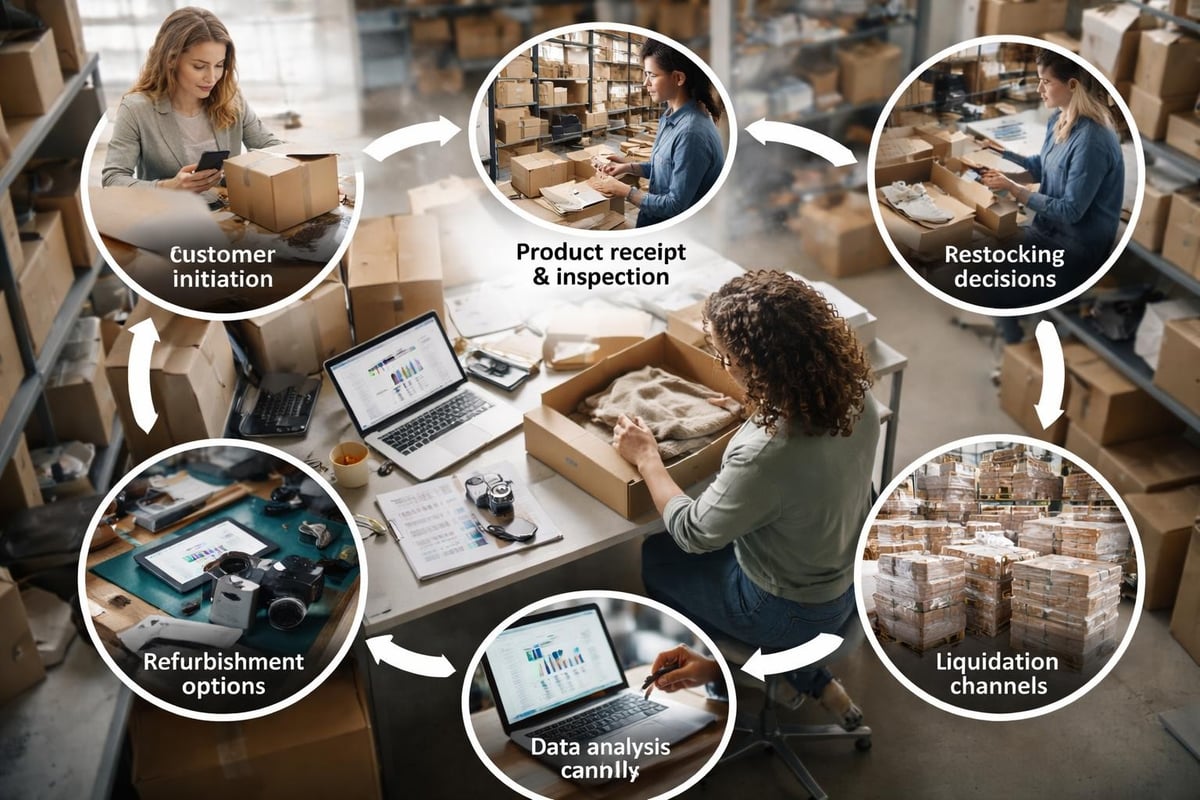
A structured returns process includes clear return authorization, efficient inspection and grading, rapid restocking of sellable items, and appropriate disposition of damaged goods. Speed matters-products sitting in returns queues represent tied-up capital and potential stockouts.
Data from returns provides valuable insights for product development and quality improvement. Tracking return reasons, defect patterns, and customer feedback helps brands address issues at the source rather than repeatedly processing avoidable returns.
Maximizing Value Recovery
Not all returned items are equal. Services fulfillment providers with sophisticated reverse logistics capabilities can determine the optimal disposition for each item. Grade-A returns get restocked immediately, while items with minor cosmetic damage might sell through outlet channels. Defective products provide quality feedback to manufacturers.
The financial impact of effective reverse logistics is substantial. Reducing the time from return receipt to resale availability improves cash flow and inventory turnover. Strategic partnerships with liquidation channels recover value from unsellable items that might otherwise become total losses.
Scaling Operations During Peak Seasons
Seasonal volume fluctuations challenge even experienced e-commerce brands. Black Friday, Cyber Monday, and the extended holiday season can generate order volumes 3-5 times higher than typical periods. Services fulfillment operations must scale rapidly without sacrificing accuracy or speed.
Preparation begins months before peak season. Inventory planning ensures adequate stock levels without excessive carrying costs. Staffing plans account for temporary labor needs, including recruitment, training, and onboarding timelines.
Peak season preparation checklist:
- Review historical data to forecast volume accurately
- Increase inventory levels 60-90 days before peak dates
- Confirm carrier capacity and backup shipping options
- Test systems under simulated high-volume conditions
- Establish daily communication protocols with fulfillment partners
- Define escalation procedures for handling exceptions
Technology plays a crucial role in managing peak volumes. According to service fulfillment market dynamics research, automated systems prevent the bottlenecks that occur when manual processes can't keep pace with order influx.
Cost Management and Pricing Structures
Understanding fulfillment costs enables accurate pricing and margin management. Services fulfillment pricing typically includes several components: receiving fees, storage fees, pick-and-pack fees, and shipping costs.
Receiving fees cover the labor and systems required to check in inventory, verify quantities, and assign storage locations. Storage fees vary based on space utilization and duration, with many providers charging higher rates for slow-moving inventory occupying space for extended periods.
Pick-and-pack fees represent the labor cost for retrieving items, packaging them securely, and preparing shipments. These fees typically scale with order complexity-single-item orders cost less than multi-item orders requiring careful assembly and verification.
| Cost Component | Typical Structure | Optimization Strategy |
|---|---|---|
| Receiving | Per unit or per shipment | Consolidate inbound shipments |
| Storage | Per cubic foot per month | Improve inventory turnover |
| Pick & Pack | Per order or per item | Increase average order value |
| Shipping | Actual carrier cost + markup | Optimize packaging, carrier selection |
| Value-Added | Custom pricing per service | Bundle services for efficiency |
Transparent pricing structures help brands forecast costs accurately. Hidden fees or complex pricing formulas create budgeting challenges and erode trust. Leading fulfillment providers offer clear pricing documentation and regular cost reviews.
International Fulfillment Considerations
Expanding into international markets introduces additional complexity to services fulfillment. Cross-border shipping regulations, customs documentation, and duties/taxes require specialized expertise.
Landed cost calculations must account for all expenses a product incurs from factory to customer doorstep. Beyond shipping costs, this includes customs duties, value-added taxes, brokerage fees, and compliance costs. Accurate landed cost estimates prevent unpleasant surprises that erode margins.
Strategic use of international fulfillment centers reduces shipping costs and delivery times for overseas customers. However, this approach requires adequate demand volume to justify the additional complexity and inventory investment. Services for sea freight and customs help brands navigate international logistics efficiently.
Customs Compliance and Documentation
Proper documentation prevents costly delays at customs. Commercial invoices, certificates of origin, and harmonized tariff codes must be accurate and complete. Errors result in shipments held at customs, generating storage fees and frustrated customers.
Some products face import restrictions or require special permits in certain countries. A knowledgeable fulfillment partner identifies these issues before they cause problems, ensuring compliance with destination country regulations.
Sustainability in Services Fulfillment
Environmental responsibility has shifted from nice-to-have to essential for many e-commerce brands. Sustainable services fulfillment practices reduce environmental impact while often decreasing costs simultaneously.
Sustainable fulfillment strategies include:
- Right-sizing packaging to minimize waste and dimensional weight charges
- Using recycled and recyclable packaging materials
- Consolidating shipments to reduce transportation emissions
- Implementing energy-efficient warehouse operations
- Partnering with carbon-neutral shipping carriers
Consumer preferences increasingly favor brands demonstrating environmental commitment. Communicating sustainable fulfillment practices can differentiate brands and attract environmentally conscious customers. The future of fulfillment services increasingly incorporates sustainability as a core operational principle rather than an add-on feature.
Packaging optimization delivers both environmental and financial benefits. Eliminating excess packaging materials reduces waste while lowering dimensional weight charges that carriers assess on oversized packages. This dual benefit makes sustainability initiatives financially attractive.
Selecting the Right Services Fulfillment Partner
Choosing a fulfillment partner represents a critical business decision that impacts customer satisfaction, operational efficiency, and growth potential. The evaluation process should consider multiple factors beyond simple cost comparisons.
Geographic coverage determines delivery speed and shipping costs to your customer base. A partner with locations near your primary markets enables faster, cheaper shipping. However, brands with concentrated demand might prefer a single strategically located facility over distributed operations.
Technology integration capabilities ensure smooth operations. The fulfillment provider's systems must integrate with your e-commerce platform, marketplace accounts, and other business tools. Poor integration creates manual work, increases errors, and limits visibility.
Essential evaluation criteria:
- Experience with your product type: Fragile items, perishables, or hazardous materials require specialized handling
- Scalability: Can they handle your growth trajectory and seasonal fluctuations?
- Service offerings: Do they provide all services you need now and in the future?
- Technology stack: Does their WMS integrate with your platforms?
- Communication protocols: How do they keep you informed about issues?
- References: What do current clients say about their performance?
Site visits provide invaluable insights into operations, cleanliness, organization, and culture. Observing how staff handle products, interact with each other, and respond to questions reveals much about operational standards and attention to detail.
Trial periods or gradual onboarding reduces risk when starting with a new fulfillment partner. Beginning with a product subset or single channel allows evaluation of performance before committing your entire operation.
Future Trends Shaping Services Fulfillment
The services fulfillment landscape continues evolving rapidly. Understanding emerging trends helps brands prepare for future opportunities and challenges.
Micro-fulfillment centers bring inventory closer to urban consumers, enabling same-day or even hourly delivery windows. These small-format facilities, often located in repurposed retail space, reduce last-mile delivery costs while meeting accelerating delivery expectations. Research on transformative service fulfillment trends emphasizes the shift toward automated end-to-end service delivery.
Artificial intelligence and machine learning optimize inventory placement, demand forecasting, and route planning. Predictive analytics help brands position inventory where customers will order it, reducing shipping costs and delivery times. AI-powered systems also identify patterns in returns data, quality issues, and operational inefficiencies.
Autonomous vehicles and delivery drones remain in testing phases but promise to transform last-mile delivery economics. While widespread commercial deployment faces regulatory hurdles, pilot programs demonstrate potential for reducing delivery costs and times.
The convergence of retail and fulfillment continues as brands experiment with ship-from-store, in-store pickup, and return-to-store options. This omnichannel approach, detailed in in-store fulfillment best practices, requires sophisticated inventory visibility and order routing capabilities.
Services fulfillment represents far more than warehousing and shipping-it's the operational foundation that enables e-commerce brands to scale efficiently while delivering exceptional customer experiences. The complexity of modern fulfillment requires specialized expertise, sophisticated technology, and strategic partnerships to navigate successfully. Whether you're launching a new brand or scaling an established business, Ecom Automation Prep provides the comprehensive fulfillment services needed to support your growth, from Amazon FBA prep to direct-to-consumer fulfillment, kitting, and reverse logistics, making fulfillment effortless so you can focus on building your brand.