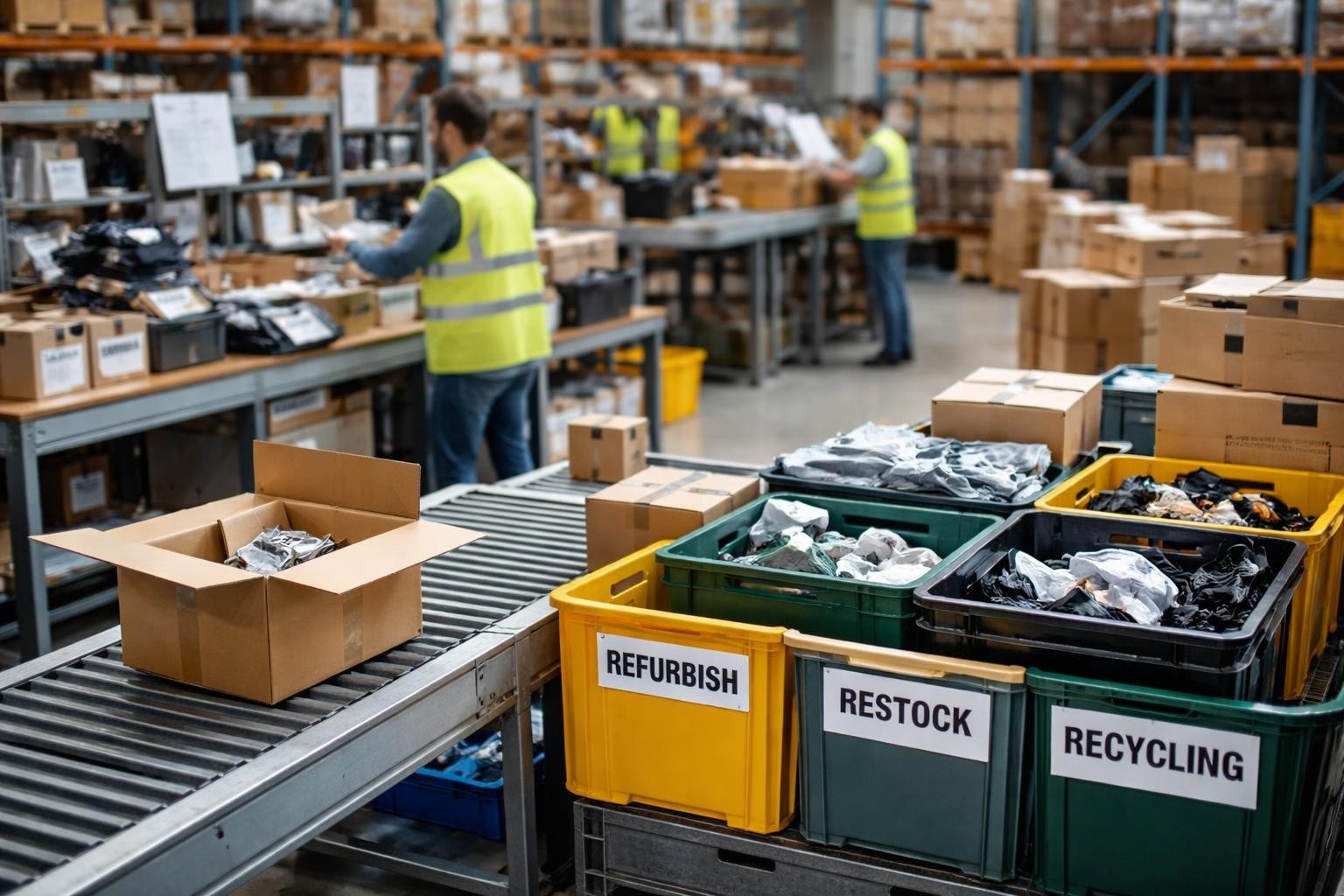


The pressure to scale fast in e-commerce has never been more intense. Brands that successfully navigate rapid growth can capture market share, attract investment, and build sustainable competitive advantages. However, scaling too quickly without proper infrastructure leads to operational chaos, customer dissatisfaction, and financial strain. Understanding how to balance aggressive growth with operational excellence separates successful e-commerce companies from those that collapse under their own expansion.
Understanding the Foundation for Rapid Growth
Before attempting to scale fast, e-commerce brands must establish solid operational foundations. This groundwork determines whether rapid expansion strengthens the business or exposes critical weaknesses.
Operational Readiness Assessment
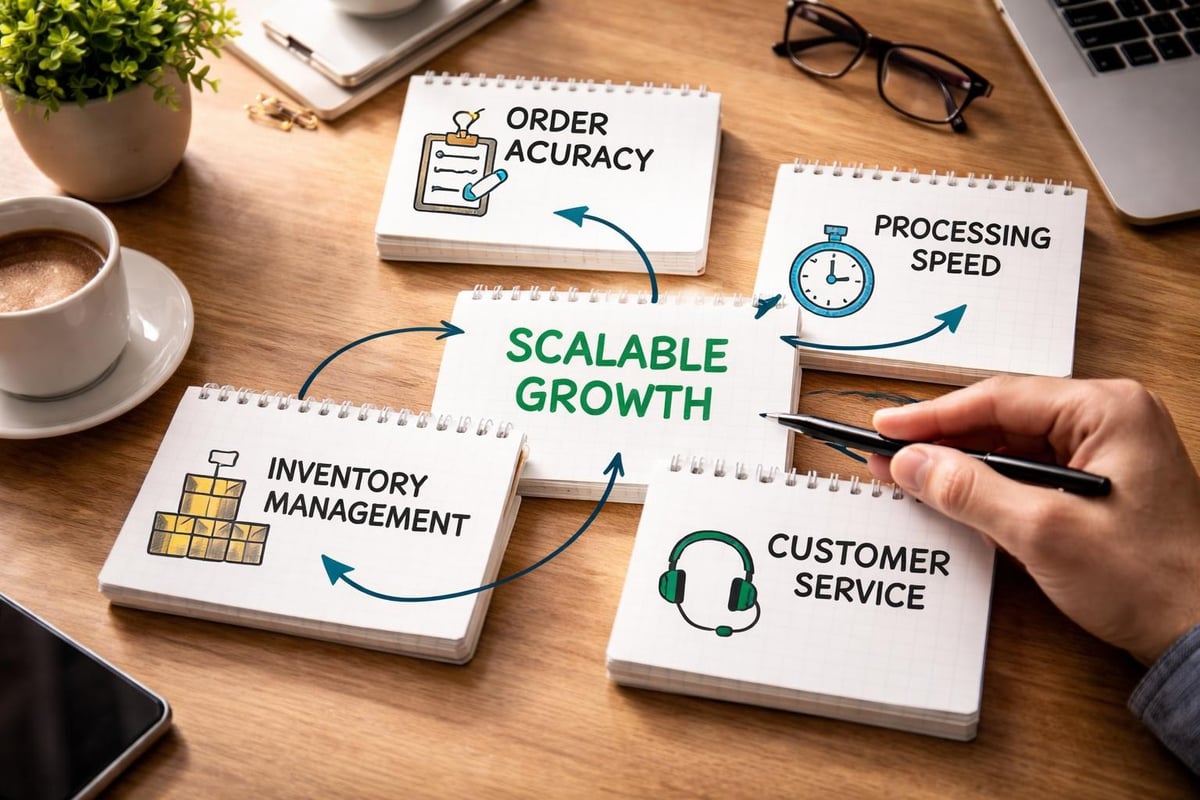
Evaluating current capabilities provides a realistic picture of growth readiness. Businesses should examine inventory management systems, order processing speed, shipping accuracy rates, and customer service response times. These metrics reveal bottlenecks that will magnify during expansion.
Key readiness indicators include:
- Order fulfillment accuracy above 99.5%
- Average processing time under 24 hours
- Inventory forecasting accuracy within 10%
- Customer inquiry resolution within one business day
- Scalable technology infrastructure supporting 10x current volume
Companies attempting to scale fast without meeting these benchmarks often experience cascading failures. A single missed delivery or inventory stockout can trigger negative reviews, lost customers, and damaged brand reputation that takes months to repair.
Financial Capacity Planning
Growth requires capital investment in inventory, warehouse space, equipment, and personnel. Understanding cash flow implications prevents the common mistake of growing beyond financial means.
| Growth Element | Capital Requirement | Timeline to ROI | Risk Level |
|---|---|---|---|
| Inventory expansion | High | 2-4 months | Medium |
| Warehouse space | Medium | 3-6 months | Low |
| Automation equipment | High | 6-12 months | Medium |
| Additional staff | Medium | 1-3 months | Low |
| Marketing campaigns | Variable | 1-2 months | High |
Many e-commerce brands make critical scaling mistakes by overestimating revenue growth while underestimating the working capital needed to support that growth. Maintaining adequate cash reserves ensures the business can weather unexpected challenges during expansion.
Building Scalable Fulfillment Infrastructure
Fulfillment capabilities directly determine how quickly an e-commerce brand can scale. The right infrastructure accommodates volume fluctuations without compromising service quality.
Partnering with Third-Party Logistics Providers
Strategic 3PL partnerships enable businesses to scale fast without massive capital expenditures. These providers offer established infrastructure, trained personnel, and proven processes that immediately increase capacity.
When selecting fulfillment partners, evaluate their technology integration capabilities, geographic coverage, specialty services, and track record with brands of similar size. The wrong partner creates more problems than they solve, while the right one becomes a genuine competitive advantage.
Essential 3PL capabilities for rapid scaling:
- Multi-channel order integration (Amazon, Shopify, WooCommerce, etc.)
- Real-time inventory visibility across all locations
- Flexible storage options accommodating seasonal fluctuations
- Value-added services like kitting, bundling, and custom packaging
- Geographic distribution reducing shipping times and costs
Third-party fulfillment providers absorb the complexity of logistics operations, allowing brands to focus resources on product development, marketing, and customer acquisition. This specialization enables faster growth than attempting to build internal fulfillment capabilities.
Automation and Technology Integration
Technology investments pay dividends during rapid expansion. Automated systems handle repetitive tasks with consistency that human workers cannot match at scale.
Inventory management software prevents stockouts and overstock situations by analyzing historical data and predicting future demand. Order management systems route orders to optimal fulfillment locations based on inventory availability and customer proximity. Warehouse management systems coordinate picking, packing, and shipping activities to maximize efficiency.
These technologies require upfront investment but reduce per-unit fulfillment costs as volume increases. Companies that implement scalable infrastructure early position themselves for sustainable growth rather than reactive scrambling.
Expanding Sales Channels Without Overextending
Multi-channel presence amplifies growth potential but introduces operational complexity. Strategic channel expansion requires careful planning and execution.
Sequential Channel Launch Strategy
Attempting to scale fast across all channels simultaneously dilutes resources and increases failure risk. Sequential launches allow teams to learn from each expansion before adding complexity.
- Master the primary channel until achieving consistent profitability and operational excellence
- Research secondary channel requirements including fee structures, fulfillment expectations, and customer demographics
- Test with limited inventory to validate demand and operational compatibility
- Scale successful channels while maintaining performance standards
- Evaluate underperforming channels and redirect resources to higher-return opportunities
This methodical approach prevents the common mistake of spreading resources too thin across multiple platforms. Brands that successfully scale fast maintain discipline about channel selection and timing.

Channel-Specific Fulfillment Requirements
Different sales channels impose distinct operational requirements that impact fulfillment strategy.
| Channel | Fulfillment Speed | Packaging Requirements | Returns Complexity | Inventory Strategy |
|---|---|---|---|---|
| Amazon FBA | 2-day standard | Amazon standards | Amazon handles | Consignment model |
| Direct-to-consumer | 2-5 days | Brand experience focus | Direct management | Centralized control |
| Wholesale/B2B | Flexible | Bulk packaging | Negotiated terms | Larger quantities |
| Retail partnerships | Store-specific | Retail-ready compliance | Partner dependent | Distributed inventory |
Understanding these differences helps brands allocate resources appropriately and avoid operational risks that prevent efficient scaling. Each channel requires specific expertise, making specialized fulfillment partners valuable for maintaining service quality during expansion.
Managing Inventory for Rapid Growth
Inventory management becomes exponentially more complex during rapid scaling. Too little inventory creates stockouts and lost sales, while excess inventory ties up capital and increases storage costs.
Demand Forecasting Methodology
Accurate forecasting enables brands to scale fast without inventory disasters. Sophisticated models incorporate historical sales data, seasonal trends, marketing campaign timing, and external factors like economic conditions.
Forecasting best practices include:
- Analyzing at least 12 months of historical data when available
- Adjusting for known promotions, product launches, and seasonal events
- Building safety stock buffers based on lead time variability
- Segmenting products by velocity and margin contribution
- Reviewing and updating forecasts at least monthly
Many growing brands underestimate seasonal demand fluctuations, leading to stockouts during peak periods. Conservative forecasting during early scaling phases protects against downside risk while establishing patterns for future predictions.
Multi-Location Inventory Strategy
Geographic distribution reduces shipping times and costs while improving customer satisfaction. Strategic placement near population centers enables faster delivery at lower expense.
However, multi-location inventory requires sophisticated allocation systems. Products must flow to the right locations in the right quantities based on regional demand patterns. Poor allocation creates situations where products sit idle in one warehouse while another location experiences stockouts.
Third-party fulfillment providers with multiple warehouse locations offer immediate geographic distribution without the complexity of managing multiple facilities. This infrastructure allows brands to scale fast into new regions without establishing physical presence.
Maintaining Quality During Expansion
Rapid growth often degrades customer experience as systems strain under increased volume. Protecting quality standards during scaling prevents the reputational damage that undermines growth efforts.
Quality Control Systems
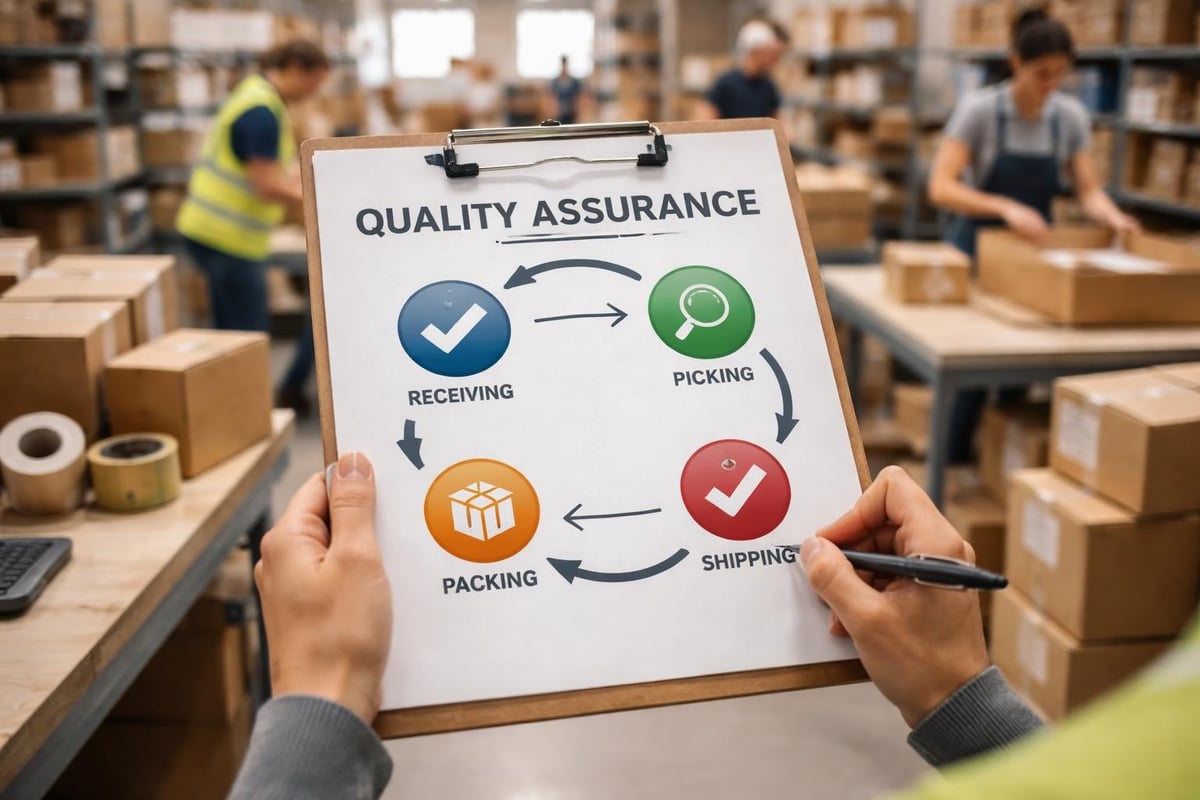
Systematic quality checks catch errors before they reach customers. These systems should scale proportionally with order volume, maintaining the same defect detection rate regardless of throughput.
Standard operating procedures document each process step, expected outcomes, and corrective actions for deviations. Training programs ensure all team members understand standards and procedures. Quality metrics track performance over time, revealing trends that indicate process degradation.
Companies attempting to scale fast often sacrifice quality controls to maintain speed, creating a false economy. The cost of fixing quality problems after customer delivery far exceeds the investment in prevention.
Customer Communication Standards
Clear, proactive communication becomes more important as order volume increases. Customers should receive confirmation emails, shipping notifications, and tracking information automatically without manual intervention.
Response time standards for inquiries must remain consistent during growth periods. Many brands experience customer service degradation during rapid scaling because support staff cannot keep pace with inquiry volume. Automated responses for common questions and self-service resources reduce the burden on human agents.
Building Team Capacity for Scale
People drive operational success, making talent acquisition and development critical for sustainable growth. The right team enables businesses to scale fast while maintaining operational excellence.
Strategic Hiring Approach
Growth creates positions at all levels of the organization. Hiring ahead of need prevents bottlenecks, while hiring too far ahead wastes resources on underutilized staff.
Cross-training team members provides flexibility during volume fluctuations. Employees who understand multiple functions can shift focus based on current priorities, maintaining productivity during uneven growth patterns.
Leadership development prepares team members for expanded responsibilities as the organization scales. Promoting from within maintains institutional knowledge and cultural continuity that external hires cannot immediately replicate.
Outsourcing vs. In-House Decisions
Strategic outsourcing allows brands to scale fast without building internal expertise in every function. Fulfillment, customer service, accounting, and other specialized functions often benefit from external partnerships.
Factors favoring outsourcing:
- High capital requirements for equipment and facilities
- Specialized expertise not core to business model
- Variable capacity needs with significant fluctuations
- Faster time to market than building internal capability
- Access to established technology and systems
Factors favoring in-house development:
- Core competitive differentiators requiring direct control
- Intellectual property or trade secret concerns
- Long-term cost advantages with consistent volume
- Desire for complete process customization
- Integration complexity with existing systems
Neither approach is universally correct. The decision depends on specific business circumstances, growth trajectory, and competitive positioning.
Measuring and Optimizing Growth Performance
Data-driven decision making separates successful scaling from reckless expansion. Tracking the right metrics reveals whether growth remains sustainable or trends toward crisis.
Critical Growth Metrics
Different metrics matter at different scaling stages. Early growth focuses on unit economics and customer acquisition cost, while later stages emphasize operational efficiency and market share.
| Metric Category | Key Performance Indicators | Target Benchmarks |
|---|---|---|
| Financial | Gross margin, customer lifetime value, cash conversion cycle | 40%+, 3x CAC, <60 days |
| Operational | Order accuracy, fulfillment speed, inventory turnover | 99.5%+, <24 hours, 8-12x annually |
| Customer | Net promoter score, repeat purchase rate, return rate | 50+, 30%+, <10% |
| Growth | Month-over-month revenue growth, customer acquisition cost, market share | 15%+, <33% LTV, varies by category |
Regular metric reviews identify trends before they become problems. Monthly business reviews should examine these indicators, investigate variances, and adjust strategies accordingly.
Continuous Improvement Culture
Organizations that scale fast maintain momentum through constant optimization. Small improvements across multiple processes compound into significant competitive advantages.
Employee feedback systems capture frontline insights about process inefficiencies. Workers performing tasks daily often identify improvement opportunities that management overlooks. Creating channels for this input and acting on viable suggestions builds engagement while improving operations.
Testing and experimentation reveal better approaches to common challenges. A/B testing different packaging materials, warehouse layouts, or shipping carriers provides empirical evidence about optimal configurations. This scientific approach outperforms assumptions and conventional wisdom.
Risk Management During Rapid Expansion
Scaling introduces new risks that smaller operations never encounter. Proactive risk identification and mitigation protect against catastrophic failures during critical growth phases.
Supply Chain Resilience
Dependence on single suppliers creates vulnerability to disruptions. Qualifying backup suppliers for critical components ensures continuity during shortages or quality issues with primary sources.
Geographic concentration introduces risk from natural disasters, political instability, or regional logistics disruptions. Diversifying sourcing and fulfillment locations across regions provides redundancy that maintains operations during localized problems.
Financial Risk Controls
Rapid growth consumes cash faster than anticipated. Maintaining credit facilities provides buffer capacity for unexpected capital needs without sacrificing equity or control.
Customer concentration creates vulnerability if major accounts reduce orders or cease operations. Diversifying the customer base spreads risk across multiple relationships, preventing single-customer dependency.
Technology Infrastructure for Scaling
Robust technology foundations support growth without constant system replacements. Planning for 10x capacity prevents the disruption of migrating systems during critical growth periods.
System Integration Architecture
Modern e-commerce operations involve dozens of specialized systems: inventory management, order management, warehouse management, accounting, CRM, and analytics platforms. These systems must exchange data seamlessly for accurate operations.
API-based integrations enable real-time data flow between systems, maintaining synchronization across platforms. Legacy batch processes create delays and discrepancies that cause operational errors.
Cloud-based solutions offer elastic capacity that scales with business needs. Traditional on-premise systems require upfront capacity planning and hardware investments that become constraints during rapid growth.
Successfully scaling an e-commerce business requires balancing aggressive growth ambitions with operational discipline and infrastructure investments. Brands that build strong foundations, select strategic partners, and maintain quality standards during expansion achieve sustainable competitive advantages in crowded markets. When you're ready to scale fast without sacrificing fulfillment quality, Ecom Automation Prep provides the comprehensive fulfillment infrastructure and expertise that growing e-commerce brands need to expand confidently while maintaining the customer experience that drives success.