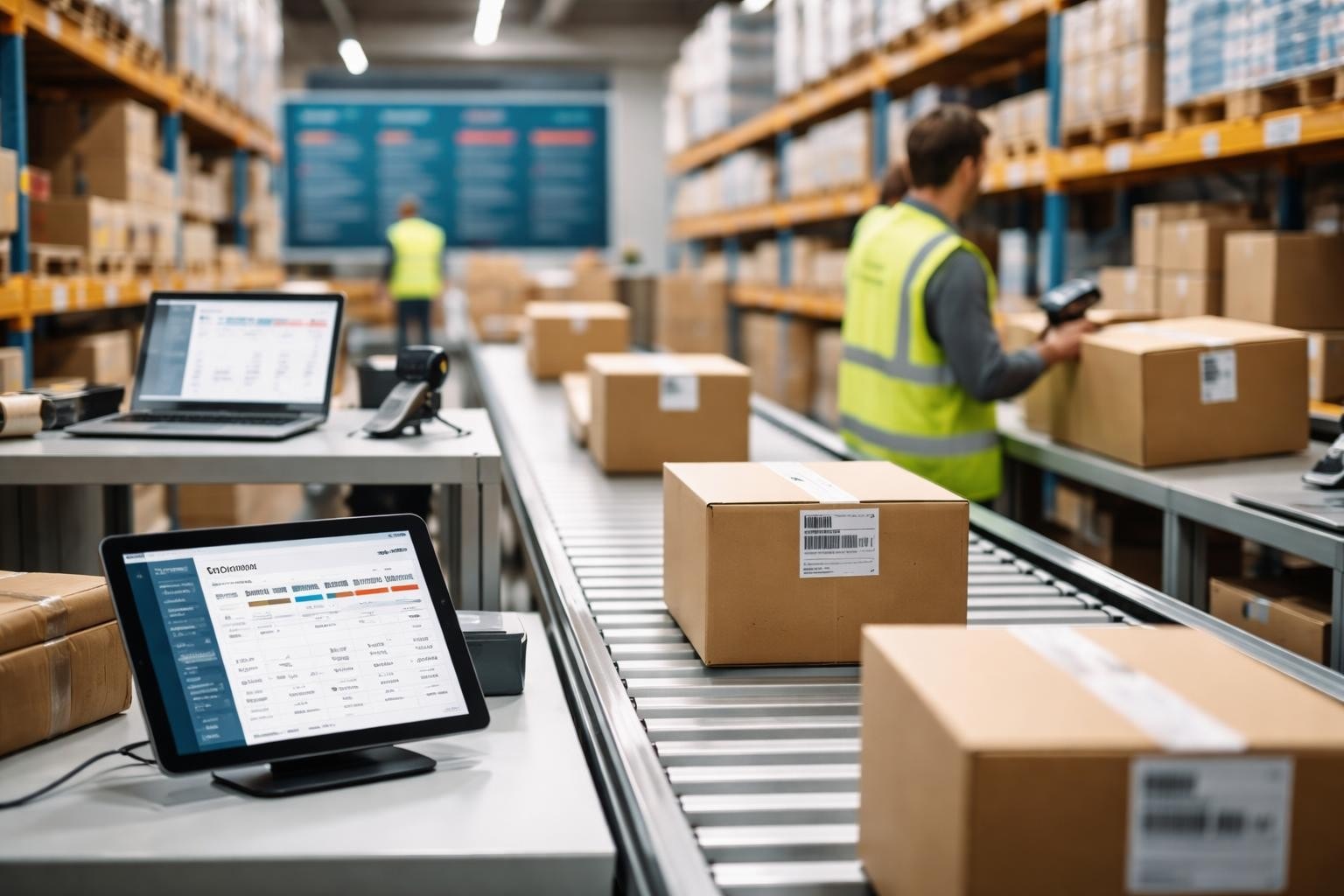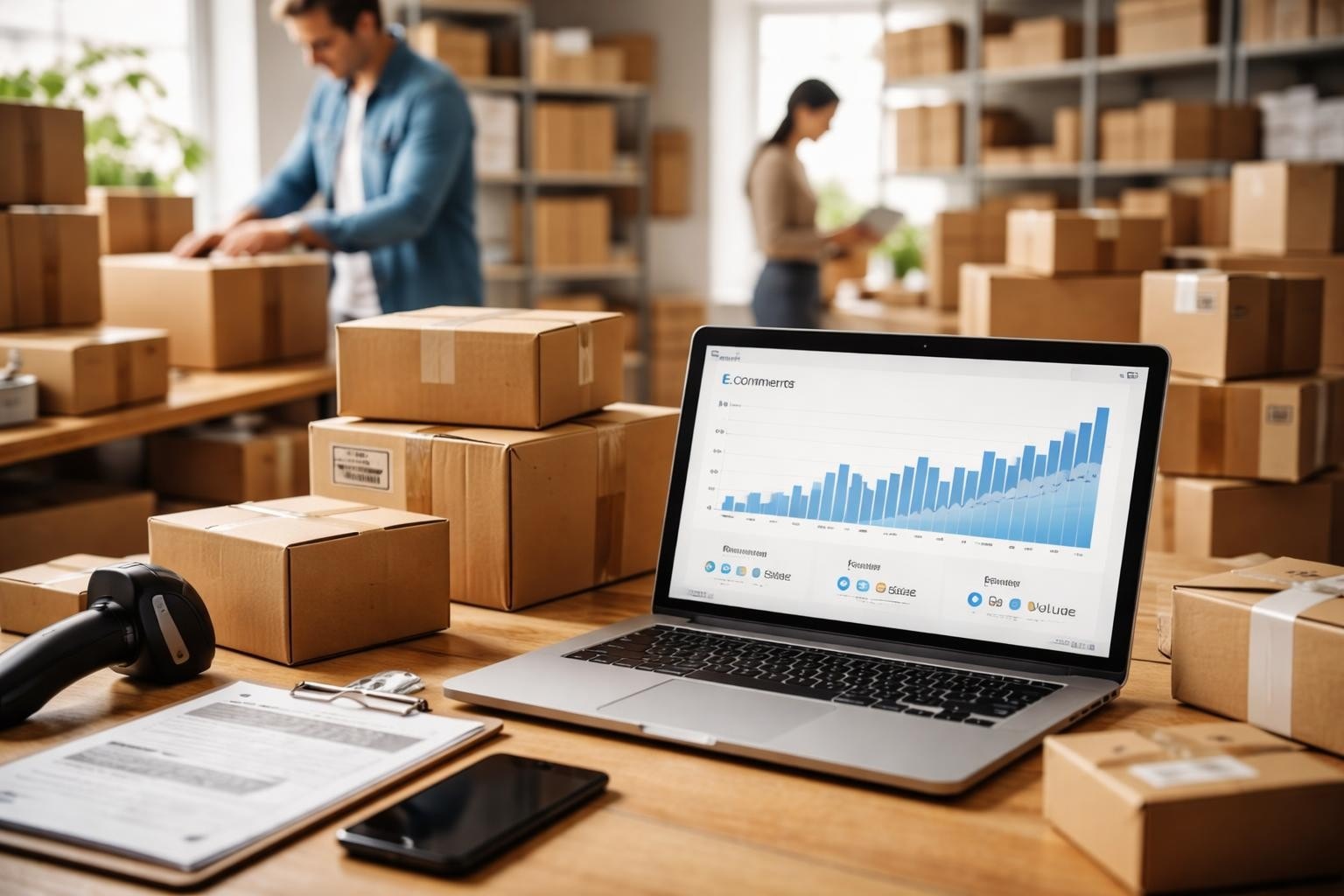
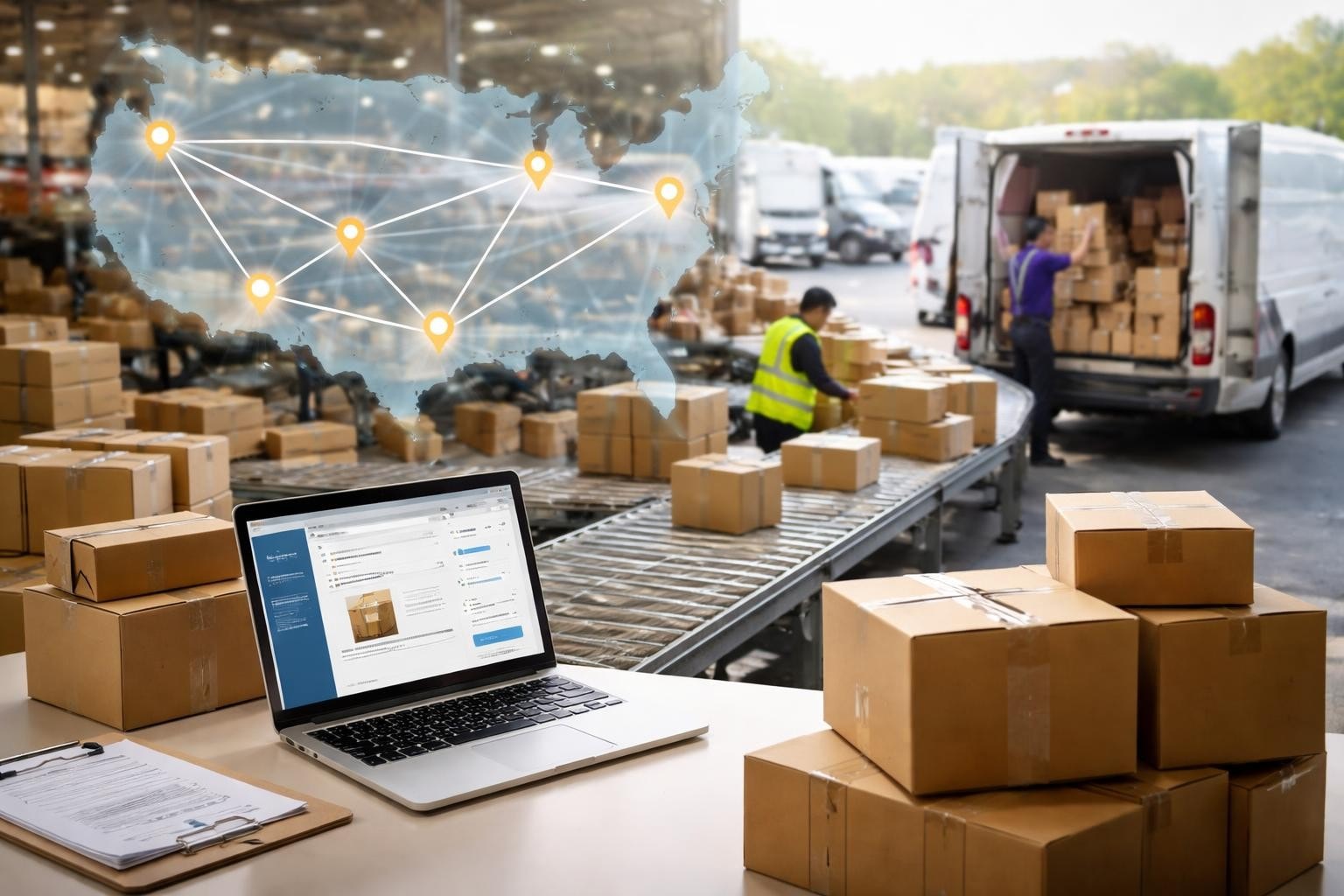

E-commerce brands face mounting pressure to deliver products faster and more efficiently than ever before. As consumer expectations continue to rise in 2026, selecting the right fulfillment partner has become a critical business decision that directly impacts customer satisfaction, operational costs, and scalability. FedEx fulfillment represents one of the major players in the third-party logistics landscape, offering brands an alternative to managing their own warehousing and shipping operations. Understanding how this service works, what it offers, and how it compares to specialized providers can help you make informed decisions about your fulfillment strategy.
What is FedEx Fulfillment
FedEx fulfillment is a comprehensive third-party logistics (3PL) service that handles warehousing, inventory management, order processing, and shipping for e-commerce businesses. The service enables brands to outsource their entire fulfillment operation to FedEx, leveraging the company's extensive logistics infrastructure and delivery network.
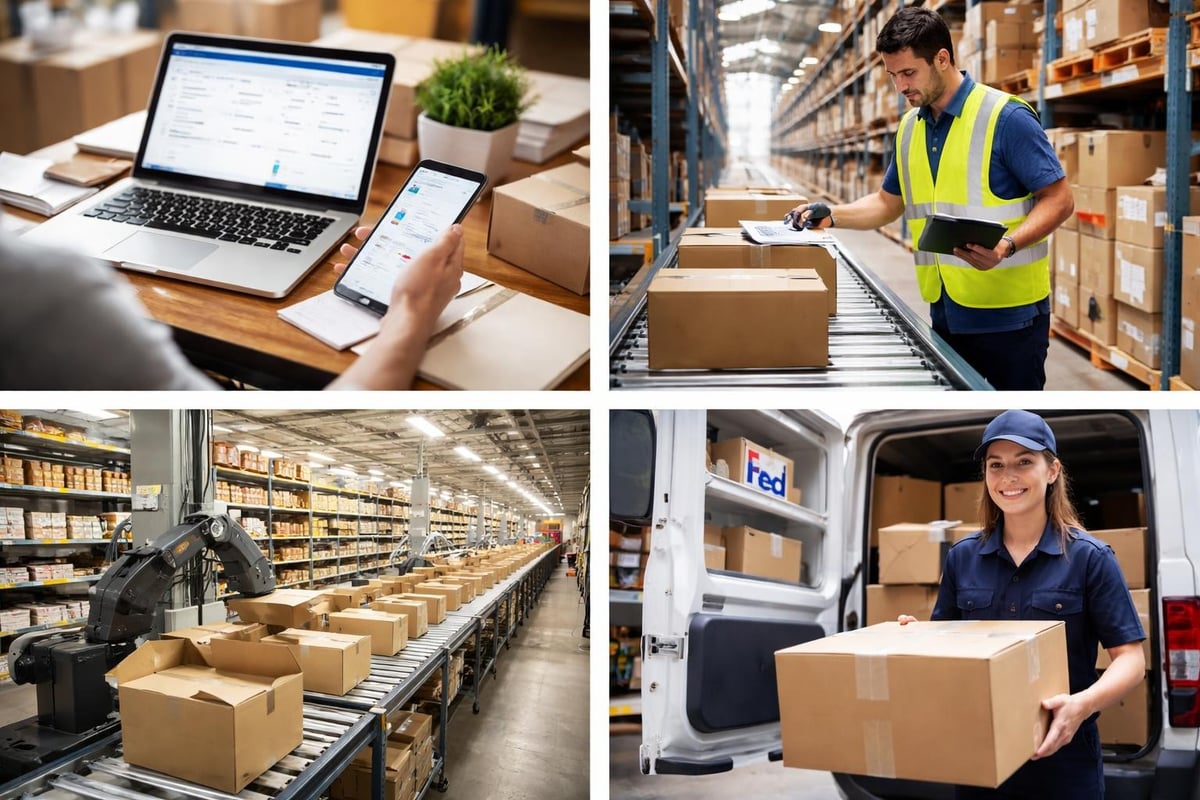
Unlike traditional FedEx shipping services where you simply send packages, fedex fulfillment manages your entire backend operation. They receive inventory from your suppliers, store products in their warehouses, pick and pack items when orders arrive, and ship them using FedEx delivery services.
Core Service Components
The platform combines multiple logistics functions into a single integrated solution:
- Inventory Storage: Warehouse space for your products across FedEx facilities
- Order Processing: Automated picking, packing, and labeling of customer orders
- Shipping Integration: Direct connection to FedEx Ground, Express, and freight services
- Technology Platform: Dashboard for inventory tracking and order management
- Returns Processing: Handling of customer returns and reverse logistics
This integrated approach aims to simplify operations for growing brands that lack the resources or desire to manage fulfillment in-house. The expansion of FedEx fulfillment through strategic alliances demonstrates the company's commitment to scaling this service across North America.
How FedEx Fulfillment Works for E-commerce
Getting started with fedex fulfillment follows a structured onboarding process that connects your sales channels to their warehouse operations. The system integrates with major e-commerce platforms to automate order flow and minimize manual intervention.
Integration and Setup Process
- Platform Connection: Link your Shopify, WooCommerce, BigCommerce, or other e-commerce platform to the FedEx system
- Inventory Shipment: Send your products to designated FedEx fulfillment centers
- SKU Configuration: Set up product information, dimensions, and special handling requirements
- Order Routing: Configure which orders route to FedEx based on location, product type, or other criteria
- Testing Phase: Process test orders to verify accurate picking, packing, and shipping
Once operational, the workflow becomes largely automated. When a customer places an order on your website, the information transmits to the FedEx system, which assigns the order to the appropriate warehouse, picks the items, packages them according to your specifications, and ships using the most cost-effective FedEx service.
Technology and Visibility Features
Modern fulfillment requires real-time visibility into inventory levels and order status. The FedEx fulfillment platform provides:
| Feature | Capability | Business Benefit |
|---|---|---|
| Inventory Dashboard | Real-time stock levels across locations | Prevent stockouts and overselling |
| Order Tracking | Status updates from receipt to delivery | Customer service efficiency |
| Analytics Reporting | Performance metrics and shipping costs | Data-driven optimization |
| Multi-channel Support | Unified inventory across platforms | Simplified management |
These tools help brands maintain control over their operations while delegating the physical fulfillment work. Similar to what you'd find with specialized providers like Ecom Automation Prep, visibility into your fulfillment process remains essential for managing customer expectations and identifying improvement opportunities.
Pricing Structure and Cost Considerations
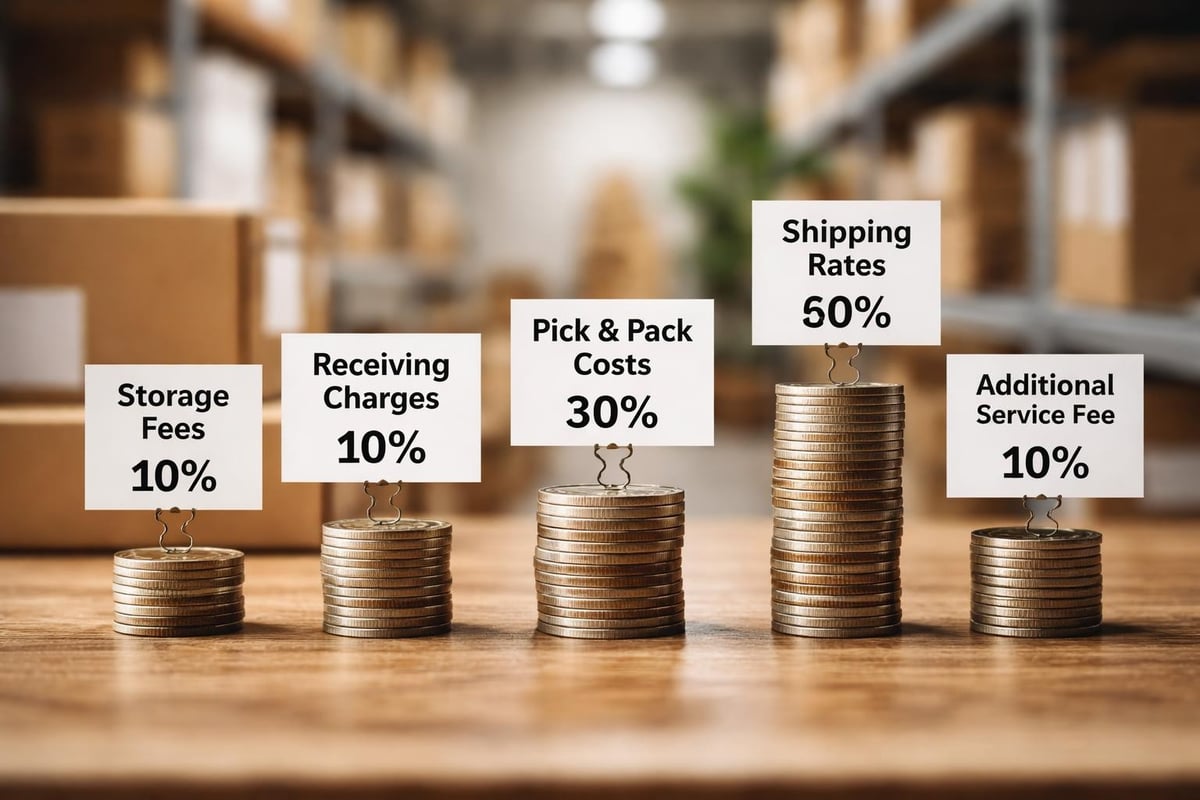
Understanding the true cost of fedex fulfillment requires examining multiple fee components that vary based on your specific requirements. Unlike simple per-order pricing, 3PL services typically charge for storage, labor, and shipping separately.
Fee Categories
Storage Fees: Charged monthly based on the volume or square footage your inventory occupies. Rates typically range from $8 to $15 per pallet per month, with additional charges during peak seasons (October through December). Smaller items may be charged per cubic foot rather than per pallet.
Receiving Fees: When you send inventory to FedEx warehouses, you pay for the labor to unload, count, and store your products. These fees generally range from $30 to $50 per hour of labor required.
Pick and Pack Fees: The core fulfillment charge covering the labor to retrieve items, package them, and prepare for shipment. Basic pick and pack typically costs $3 to $5 per order for standard items, with additional charges for multi-item orders or special packaging.
Shipping Costs: Actual FedEx shipping rates apply, though high-volume shippers may negotiate discounted rates. These vary significantly based on package weight, dimensions, destination, and service level.
Hidden Cost Factors
- Special handling for fragile or oversized items
- Custom packaging or branded materials
- Kitting and bundling services
- Returns processing and restocking
- Account management and customer service support
The total monthly expense depends heavily on your order volume, product characteristics, and seasonal fluctuption. Brands should request detailed quotes and compare them against the costs of managing fulfillment internally or working with specialized providers that focus on specific fulfillment types.
Key Benefits for Growing E-commerce Brands
Partnering with fedex fulfillment offers distinct advantages that appeal to certain types of e-commerce businesses, particularly those experiencing rapid growth or expanding into new markets.
Infrastructure and Scale
FedEx operates an extensive network of warehouses and distribution centers across North America. This infrastructure enables:
- Geographic Distribution: Store inventory closer to customers for faster delivery times
- Capacity Flexibility: Scale up during peak seasons without long-term commitments
- Disaster Recovery: Redundancy across multiple facilities protects against disruptions
- International Reach: Access to FedEx's global shipping network for cross-border commerce
The ability to leverage this existing infrastructure eliminates the need for brands to build or lease their own warehouse space, hire fulfillment staff, or invest in warehouse management systems.
Focus on Core Business
Outsourcing fulfillment allows leadership teams to concentrate resources on product development, marketing, and customer acquisition rather than logistics operations. This strategic focus can accelerate growth when fulfillment complexity would otherwise drain management attention and capital.
Shipping Rate Advantages
While FedEx fulfillment clients don't necessarily receive the absolute lowest shipping rates available in the market, they benefit from FedEx's negotiated carrier rates, which typically outperform what individual small businesses can secure independently. The convenience of integrated FedEx shipping services also simplifies carrier management.
Limitations and Potential Challenges
Despite its strengths, fedex fulfillment presents certain constraints that may not align with every business model or operational requirement. Understanding these limitations helps set realistic expectations.
Service Specialization Gaps
FedEx fulfillment operates as a generalist 3PL, which means specialized services may receive less attention than with focused providers. Specific challenges include:
- Amazon FBA Preparation: Limited or no services for Amazon-specific labeling, packaging, and prep requirements
- Subscription Box Fulfillment: Less experience with recurring shipment programs and customization
- Complex Kitting: Basic bundling available, but elaborate kitting operations may exceed capabilities
- Reverse Logistics: Standard returns processing without advanced refurbishment or liquidation services
Brands requiring Amazon FBA prep services or subscription box fulfillment often find specialized providers offer more comprehensive solutions tailored to these specific channels.
Technology Platform Maturity
While FedEx continues investing in its fulfillment technology, some users report that the platform lacks the sophistication of dedicated 3PL software systems. Common concerns include:
- Limited customization options for reporting and analytics
- Basic integration capabilities compared to specialized fulfillment software
- Less frequent platform updates and feature releases
- Steeper learning curve for non-technical users
Contractual Flexibility
Enterprise-focused providers often require longer-term commitments or minimum volume guarantees that may not suit smaller or seasonal businesses. The onboarding process can also be lengthy, making it difficult to switch providers quickly if needs change.
Comparing FedEx Fulfillment to Specialized Providers
The choice between a large-scale generalist like fedex fulfillment and a specialized e-commerce fulfillment provider depends on your specific business needs, growth trajectory, and operational complexity.
When FedEx Fulfillment Makes Sense
| Scenario | Why It Works |
|---|---|
| High-volume direct-to-consumer | Leverage FedEx shipping network efficiency |
| National or international expansion | Geographic warehouse distribution |
| Standard products with minimal prep | Basic fulfillment capabilities sufficient |
| Enterprise-scale operations | Infrastructure to handle massive volumes |
When Specialized Providers Excel
Businesses with specific fulfillment requirements often benefit from providers that focus on particular channels or service types. Consider specialized alternatives when you need:
Amazon Marketplace Focus: Providers specializing in FBA preparation understand Amazon's strict requirements for labeling, packaging, and shipping to fulfillment centers. They can help avoid costly compliance issues and rejected shipments.
Subscription and Recurring Revenue: Companies that focus on subscription box fulfillment build systems specifically for recurring shipments, customization, and the unique logistics of subscription models.
Complex Product Preparation: Brands requiring kitting, bundling, custom packaging, or product refurbishment benefit from providers with specialized equipment and trained staff for these tasks.
Returns and Reverse Logistics: Advanced reverse logistics solutions go beyond basic returns processing to include inspection, refurbishment, repackaging, and disposition strategies.
Cost-Benefit Analysis Framework
Compare options using these evaluation criteria:
- Total Landed Cost: Calculate all-in costs including storage, labor, shipping, and hidden fees
- Service Level Requirements: Match provider capabilities to your specific fulfillment needs
- Scalability: Assess flexibility to grow or contract based on seasonal demand
- Technology Integration: Evaluate platform compatibility with your existing systems
- Geographic Coverage: Consider warehouse locations relative to your customer base
- Specialization Value: Determine if channel-specific expertise justifies premium pricing
Integration Capabilities and Platform Compatibility
Successful fulfillment operations depend on seamless data flow between your e-commerce platform, marketplace channels, and fulfillment provider. FedEx fulfillment supports integrations with major platforms, though capabilities vary.
E-commerce Platform Connections
The service integrates with popular platforms through direct connections and middleware solutions:
- Shopify: Native app available for automated order syncing
- WooCommerce: Integration through API connections
- BigCommerce: Direct platform integration
- Magento: Compatible through custom development
- Custom Solutions: API access for proprietary systems
Understanding integration capabilities helps ensure smooth operational workflows regardless of which fulfillment provider you select.
Order Management Systems
Many growing brands use order management systems (OMS) to orchestrate fulfillment across multiple warehouses and carriers. FedEx fulfillment can integrate with leading OMS platforms, enabling:
- Inventory allocation across multiple fulfillment centers
- Split shipments when items are stored in different locations
- Intelligent routing based on cost, speed, or other factors
- Unified reporting across all fulfillment providers
This flexibility proves valuable for brands using hybrid fulfillment strategies that combine FedEx with other 3PLs or self-fulfillment operations.
Strategic Considerations for 2026 and Beyond
The fulfillment landscape continues evolving rapidly as consumer expectations shift and technology advances. Understanding current trends helps brands make forward-looking decisions.
Automation and Robotics
The FedEx partnership with Nimble for AI robotics represents the broader industry trend toward warehouse automation. Benefits include faster processing, reduced labor costs, and improved accuracy.
However, automation investments also create switching costs and may favor larger clients. Smaller brands should evaluate whether they'll receive priority access to automated capabilities or primarily benefit from traditional manual fulfillment.
Sustainability and Environmental Impact
E-commerce brands face increasing pressure from consumers and regulators to reduce environmental impact. Fulfillment decisions affect sustainability through:
- Packaging materials: Recyclable, biodegradable, or minimal packaging options
- Transportation emissions: Carbon footprint of shipping methods and routes
- Warehouse operations: Energy efficiency and renewable power usage
- Returns management: Strategies to minimize waste from returned products
Ask potential fulfillment partners about their sustainability initiatives and how they can help you meet environmental goals.
Omnichannel Fulfillment Evolution
The distinction between e-commerce and retail continues blurring as brands adopt omnichannel strategies. Fulfillment providers increasingly need to support:
- Ship-from-store and store pickup options
- Wholesale distribution alongside direct-to-consumer
- International expansion with local fulfillment
- Flexible inventory allocation across channels
Evaluate whether your fulfillment partner can evolve with your channel strategy or if you'll need to switch providers as your business model matures.
Making the Right Fulfillment Decision
Selecting a fulfillment partner ranks among the most impactful operational decisions e-commerce brands make. The right choice supports growth, enhances customer experience, and improves profitability, while the wrong partner creates costly headaches and constrains expansion.
Evaluation Process Steps
- Document Requirements: List your specific fulfillment needs including volume, product types, special services, and integration requirements
- Request Detailed Quotes: Obtain pricing from multiple providers with identical scenarios for accurate comparison
- Check References: Speak with current clients about their experience, particularly those with similar business models
- Test Small: Start with a portion of your volume to evaluate performance before committing fully
- Plan Exit Strategy: Understand contract terms, minimum commitments, and the process for transitioning if needed
Questions to Ask Potential Providers
- What is your average order accuracy rate?
- How do you handle peak season capacity?
- What reporting and analytics capabilities do you offer?
- How quickly can you scale up or down based on demand?
- What is your process for handling damaged inventory or shipping errors?
- Do you offer specialized services for my specific sales channels?
The answers reveal not just capabilities but also the provider's understanding of e-commerce fulfillment challenges and their commitment to customer success.
FedEx fulfillment offers robust infrastructure and national reach for e-commerce brands seeking scalable logistics solutions, though specialized providers often deliver superior results for channel-specific requirements like Amazon FBA prep or subscription fulfillment. Whether you need comprehensive support for direct-to-consumer operations, Amazon marketplace preparation, or complete e-commerce fulfillment services, partnering with a provider that understands your specific challenges makes all the difference. Ecom Automation Prep specializes in helping fast-growing e-commerce brands scale efficiently with tailored fulfillment solutions designed for your unique requirements.