Consumer packaged goods logistics has to account for two pressures at once: retail
buyers who reject a shipment for one wrong carton label, and end consumers who
expect the same order accuracy from a DTC channel that a marketplace giant delivers. A
general-purpose 3PL built around parcel pick-and-pack alone usually cannot carry both.
This page covers what a specialized CPG operating model actually requires: inventory
controls by category, traceability from receiving to shipment, retail compliance
mechanics, channel allocation, promotional services, and what to verify before choosing
a partner.
Why CPG Logistics Requires a Specialized Operating Model
High Inventory Turnover and Demand Spikes
CPG products move at a velocity that most general ecommerce categories don't approach, and promotional cycles or seasonality can spike demand well beyond baseline forecasts. A warehouse built for slow-moving, low-SKU catalogs will struggle to replenish pick faces fast enough to keep up.
Tight Retail Delivery Windows and Order Accuracy
Retail distribution centers often enforce narrow delivery appointment windows, and missing one can mean a rejected load regardless of what's actually inside it. Order accuracy at the case and pallet level matters as much as accuracy at the parcel level.
Different Requirements for Retail, DTC, and Marketplaces
Retail orders move in cases and pallets against routing guides; DTC orders move as single parcels against consumer expectations; marketplace orders carry their own labeling and packaging rules. A CPG 3PL has to run all three channels without treating one as an afterthought.
CPG Product Categories and Handling Requirements
Food, Beverage, and Date-Sensitive Goods
Date-sensitive products require date-code capture at receiving and rotation logic that actually enforces oldest-stock-first picking, not just a policy that assumes it happens.
Personal Care, Beauty, and Wellness Products
Personal care and wellness SKUs often carry batch or lot identifiers tied to formulation changes, which means lot-level traceability matters even when the product itself isn't perishable in the food-safety sense.
Household, Cleaning, and Everyday Consumer Products
Household and cleaning products can bring their own handling considerations around packaging integrity and case configuration, since damaged outer cases are a common source of retail rejections even when the product inside is undamaged.
Controls That Protect CPG Inventory
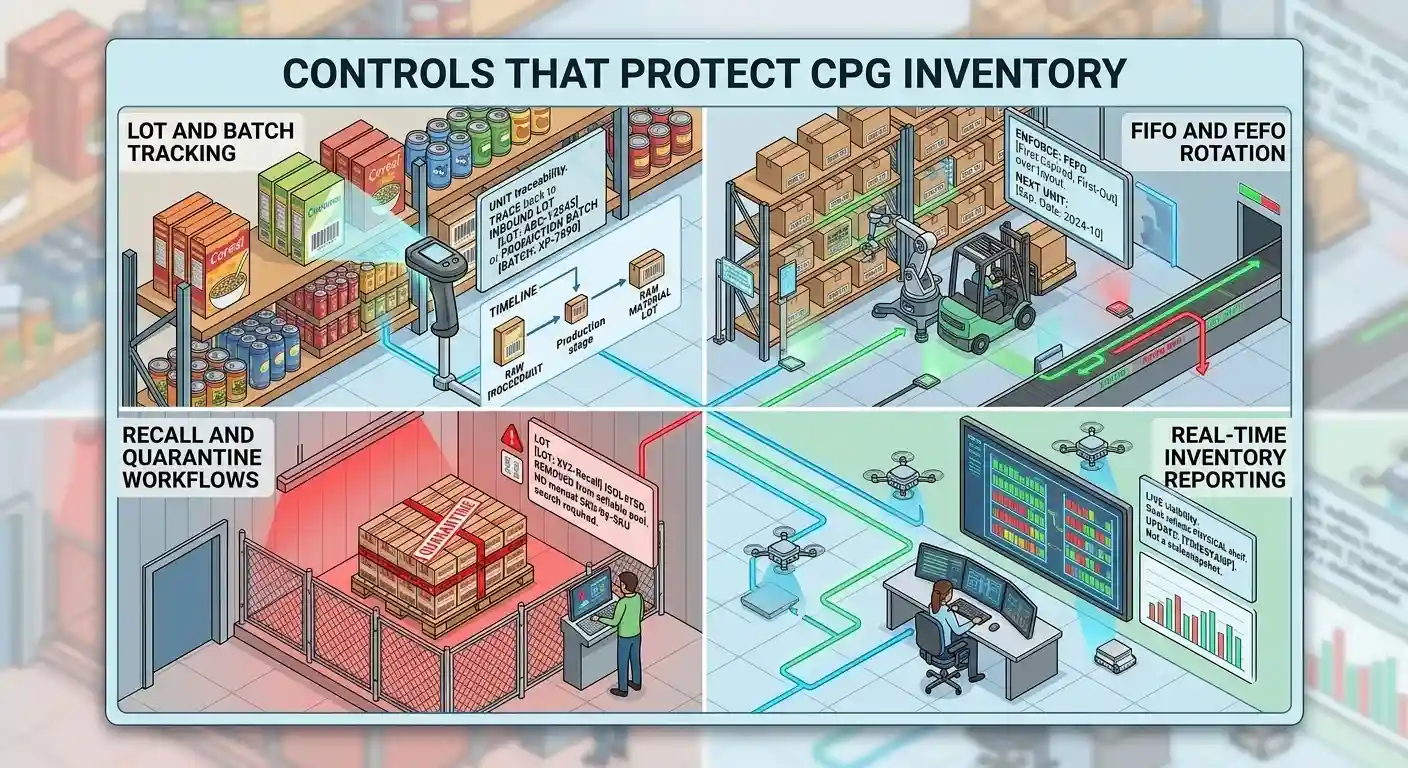
Lot and Batch Tracking - every unit traceable back to a specific inbound lot or production batch.
FIFO and FEFO Rotation - picking logic enforces first-in-first-out or first-expired-first-out, not just warehouse layout convenience.
Recall and Quarantine Workflows - affected lots can be isolated and pulled from the sellable pool without a manual SKU-by-SKU search.
Real-Time Inventory Reporting - stock visibility reflects what's physically on the shelf, not a stale end-of-day snapshot.
Inbound CPG shipments are checked against expected SKU, quantity, and condition at receiving, with any discrepancy documented before the inventory is put away as sellable.
Damaged, Expired, or Recalled Inventory
Damaged, expired, or recalled units need a quarantine location distinct from sellable stock, with a documented disposition path rather than sitting mixed into general inventory until someone notices.
Expiration Dates, Date Codes, and Shelf-Life Rules
Date codes are captured at receiving and tied to the lot record, so shelf-life rules can be enforced automatically at pick time instead of relying on a picker to check a printed date under warehouse lighting.
Cycle Counts and Inventory Adjustment Controls
Regular cycle counts catch drift between system quantity and physical quantity before it becomes a chargeback dispute or a retail compliance issue.
Retail-Compliant CPG Fulfillment
EDI Orders, ASNs, and Retail Documentation
Retail partners generally require EDI order intake and an accurate advance ship notice before a shipment arrives, and a mismatch between the ASN and what's actually on the pallet is one of the most common chargeback triggers.
Retailer Routing Guides and Delivery Appointments
Each retail partner's routing guide specifies carrier requirements, delivery windows, and appointment scheduling rules that the warehouse has to follow exactly, not approximately.
Compliance Labels, Carton Marking, and Pallet Preparation
Carton marking, compliance labels, and pallet configuration (stacking pattern, height limits, label placement) need to match each retailer's specification, since a generic "standard pallet" often doesn't meet any single retailer's actual requirement.
Reducing Chargebacks and Delivery Rejections
Most retail chargebacks trace back to a small set of root causes: late ASNs, mislabeled cartons, incorrect pallet configuration, and short shipments. A warehouse that tracks these root causes by retailer can reduce repeat chargebacks instead of treating each one as a one-off.
One CPG Inventory Pool Across B2B and DTC
Allocating Stock by Channel and Customer Priority
When retail, DTC, and marketplace orders draw from the same physical inventory, allocation rules need to reflect actual business priority, not just first-come-first-served processing order.
Parcel Fulfillment for Ecommerce Orders
DTC and marketplace orders ship as individual parcels, picked and packed against the same channel-agnostic inventory pool as retail cases.
Case, Carton, and Pallet Fulfillment for Retail
Retail orders are fulfilled at case, carton, or full-pallet level according to each account's order pattern, using the same underlying SKU and lot data as the parcel side.
Promotional and Value-Added CPG Services
Retail Displays, Repacking, and Product Configuration
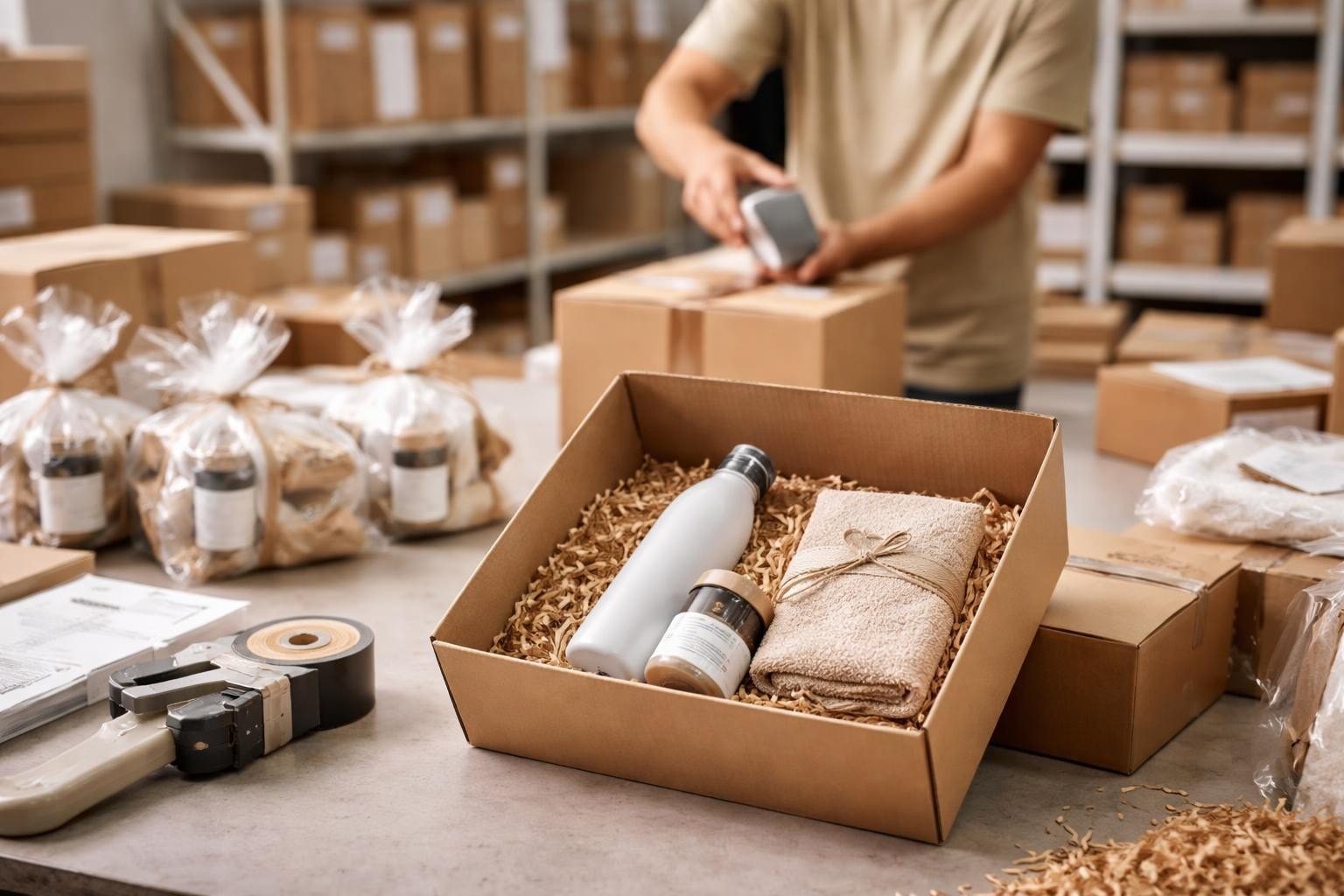
Retail floor displays, repacking into promotional configurations, and other product- configuration work are common CPG-specific services that a general parcel-only 3PL typically isn't set up to run.
Multipacks, Bundles, Samples, and Promotional Kits
Multipacks, sample kits, and promotional bundles need the same component-level inventory logic as any bundled SKU, tracked back to the lots of the components involved.
Relabeling and Channel-Specific Packaging
Relabeling for private-label programs or channel-specific packaging requirements is handled as a defined warehouse process, not a special exception each time it comes up.
Inbound Freight, Warehousing, and Distribution Coordination
Planning Space and Labor for Seasonal Peaks
Seasonal CPG peaks need warehouse space and labor planned in advance of the spike, not reallocated reactively once volume has already climbed past normal capacity.
Balancing Parcel, LTL, and Retail Distribution Needs
A CPG operation typically runs parcel, LTL, and full-pallet retail distribution simultaneously, and the warehouse has to balance dock time, staging space, and labor across all three without one channel starving the others.
Visibility From Inbound Inventory to Final Delivery
End-to-end visibility, from inbound receipt through final delivery confirmation, lets a brand catch a developing problem in one channel before it affects inventory availability in another.
What to Verify When Choosing a CPG 3PL
1
Traceability, Retail Compliance, and Quality Controls
Confirm the warehouse can produce lot-level traceability on demand, not just describe the capability in a sales conversation. See EAP's industry expertise for the specific categories supported.
2
EDI, WMS Reporting, and Omnichannel Support
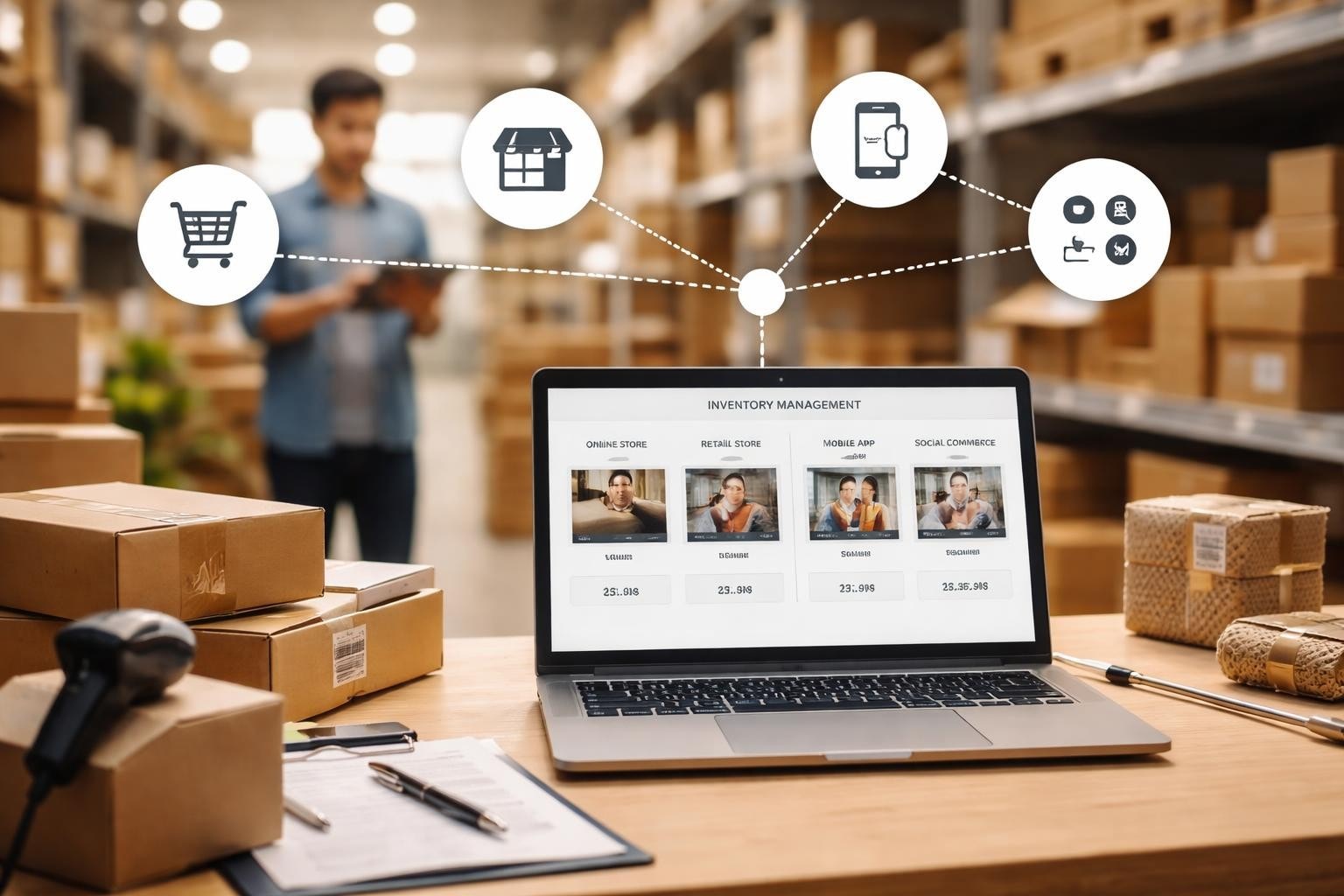
Confirm EDI capability with your specific retail trading partners, and confirm the WMS can report inventory across DTC, retail, and marketplace channels from one system rather than three disconnected ones.
3
Capacity for Promotions, Launches, and Volume Surges
Confirm the warehouse has a documented process for planning labor and space ahead of a known promotion or launch, rather than a general assurance that they'll "figure it out" when volume arrives.
Frequently Asked Questions
Retail, DTC, and marketplace fulfillment for CPG categories, along with lot tracking, retail compliance documentation, promotional kitting, and inventory traceability across all sales channels.
Date codes and lot identifiers are captured at receiving and tied to the inventory record, so FEFO rotation and recall isolation can be enforced automatically at pick time.
Meeting each retail partner's specific requirements for EDI order intake, ASN accuracy, carton marking, compliance labeling, and pallet configuration to avoid chargebacks and delivery rejections.
Yes, provided the warehouse can allocate one shared inventory pool across parcel-level DTC orders and case or pallet-level retail orders using the same underlying SKU and lot data.
By planning warehouse space, labor, and inbound freight capacity ahead of a known seasonal peak or promotion, rather than reacting once order volume has already climbed.
Ready to Get CPG Fulfillment That Handles Retail and DTC
Together
Retail chargebacks and DTC service failures both trace back to gaps in traceability and
compliance controls. Get a quote on a CPG fulfillment setup built around lot tracking and
retail compliance, schedule a meeting to review your retailer routing guides, or request a
service pricing breakdown across your retail and DTC volume.