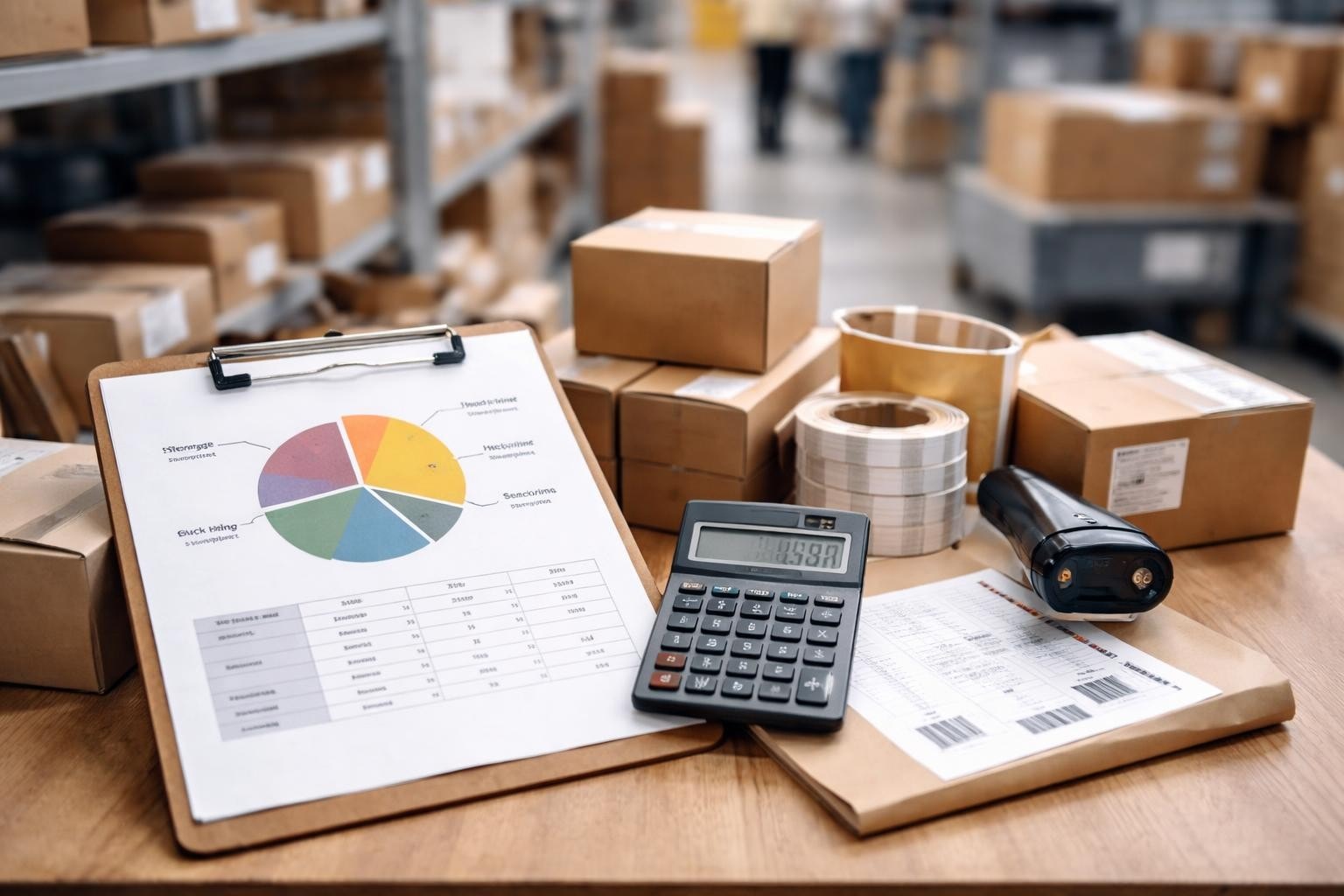

Understanding fulfillment center costs is critical for e-commerce businesses looking to scale efficiently while maintaining healthy profit margins. Whether you’re a fast-growing brand evaluating your first third-party logistics (3PL) partner or an established seller seeking to optimize operations, knowing exactly what you’ll pay for warehousing, handling, and shipping can make or break your bottom line. The pricing landscape has evolved significantly, with new fee structures, technology surcharges, and value-added services creating both opportunities and challenges for online retailers. This comprehensive guide breaks down every component of fulfillment center costs, helping you budget accurately and negotiate better terms with logistics providers.
Core Components of Fulfillment Center Costs
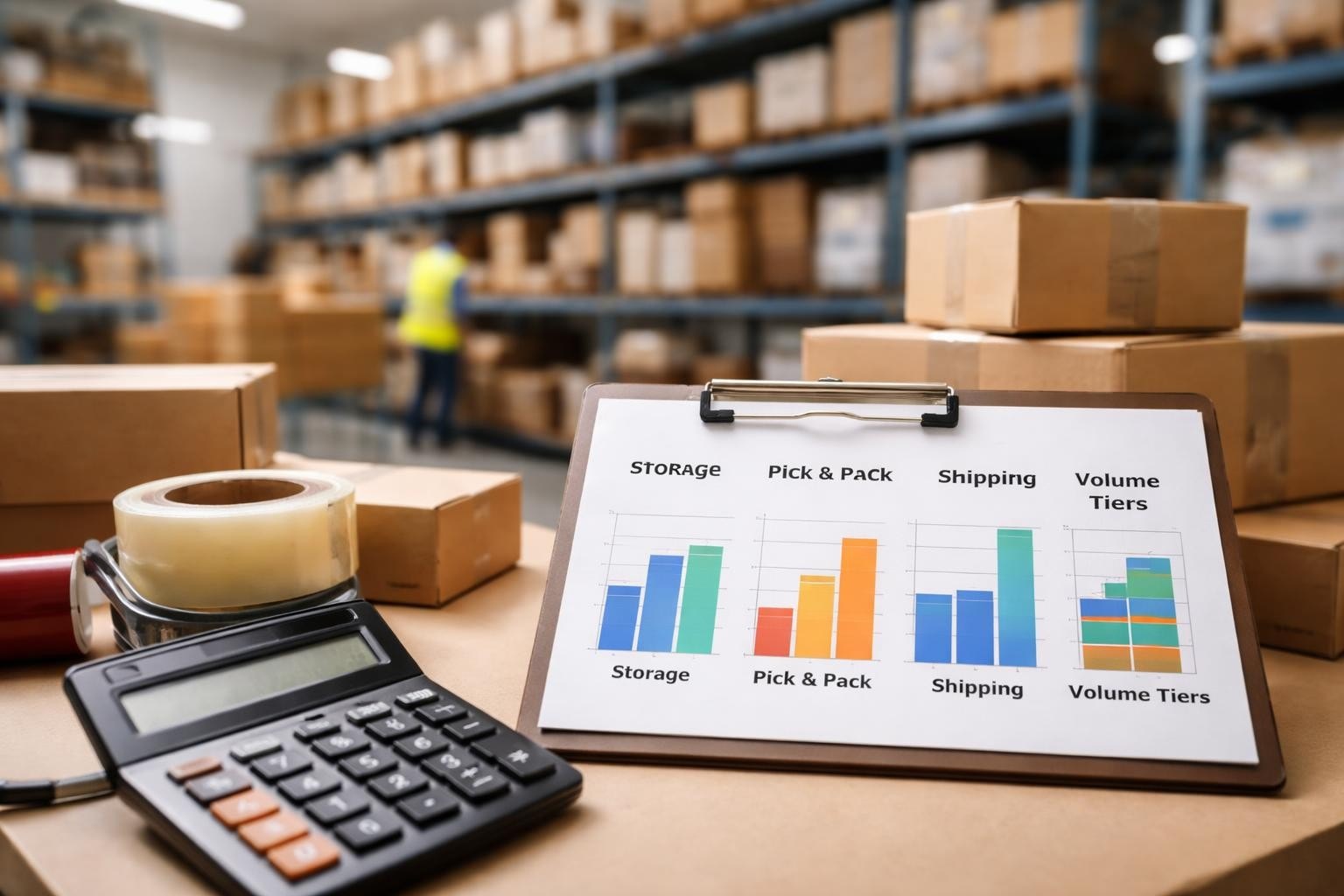
Fulfillment center pricing structures typically consist of several distinct fee categories that combine to create your total monthly expense. Each component addresses a specific aspect of the fulfillment process, from the moment your inventory arrives at the warehouse until it ships to your customer’s doorstep.
Receiving and Intake Fees
The first cost you’ll encounter is the receiving fee, charged when your inventory arrives at the fulfillment center. These fees typically range from $25 to $75 per hour for labor, though some providers charge per pallet or per carton instead.
- Per-pallet pricing: $5 to $15 per pallet
- Per-carton pricing: $0.50 to $3.00 per carton
- Hourly labor rates: $25 to $75 per hour
- Special handling: Additional 20-50% for fragile or oversized items
Providers may also charge for unloading containers, especially if your shipments arrive in less-than-standard configurations. Understanding these intake and receiving charges helps you plan more efficient shipments that minimize per-unit costs.

Storage Fees and Warehousing Costs
Storage represents one of the most significant ongoing fulfillment center costs, calculated either monthly or daily based on the space your inventory occupies. Most fulfillment centers use one of two primary methods for calculating storage fees.
Cubic footage pricing charges based on the actual three-dimensional space your products consume, typically ranging from $0.50 to $2.00 per cubic foot per month. This model works well for dense, heavy products where weight matters more than volume.
Pallet positioning charges a flat rate per pallet space, regardless of how full each pallet is, usually $15 to $40 per pallet per month. This approach benefits businesses with consistent pallet utilization.
| Storage Method | Typical Rate | Best For |
|---|---|---|
| Cubic Footage | $0.50-$2.00/cu ft/month | Small, varied SKUs |
| Pallet Position | $15-$40/pallet/month | Full pallet quantities |
| Bin Location | $5-$15/bin/month | Individual units |
| Climate-Controlled | 30-50% premium | Temperature-sensitive goods |
Many providers also implement long-term storage fees for inventory sitting longer than 6-12 months, adding pressure to maintain healthy inventory turnover ratios.
Pick and Pack Fulfillment Fees
Pick and pack fees represent the labor and materials cost for assembling each customer order. This is where fulfillment center costs directly scale with your sales volume, making it essential to understand the pricing structure before committing to a provider.
Standard Pick and Pack Pricing
Most fulfillment centers charge a base fee per order plus additional fees per item picked. A typical structure might include:
- Base order fee: $2.50 to $5.00 per order
- Per-item pick fee: $0.50 to $1.50 per item
- Packaging materials: $0.25 to $2.00 per order
- Poly mailers: $0.25 to $0.50 each
- Boxes: $0.50 to $2.00 depending on size
For example, a three-item order might cost $4.00 (base) + $3.00 (three items at $1.00 each) + $1.00 (box) = $8.00 total for pick and pack services.
The complexity of your products significantly impacts these costs. Items requiring special handling, kitting, or bundling typically incur premium fees ranging from 25% to 100% above standard rates. Businesses offering direct-to-consumer fulfillment need to factor these variables into their per-order economics.
Value-Added Services
Beyond basic pick and pack, many fulfillment centers offer specialized services that add functionality but increase costs:
- Custom kitting and bundling: $1.00 to $5.00 per kit
- Gift wrapping and messaging: $2.00 to $7.00 per order
- Promotional inserts: $0.25 to $0.75 per insert
- Custom packaging design: Monthly fees or per-unit charges
- Returns processing: $3.00 to $8.00 per return
These services can differentiate your brand and improve customer experience, but they must deliver sufficient value to justify the additional expense.
Shipping and Transportation Costs
Outbound shipping represents a major variable in total fulfillment center costs, often accounting for 30-50% of total fulfillment expenses. While technically separate from fulfillment fees, most 3PLs either pass through carrier rates or negotiate discounted rates on your behalf.
Carrier Rate Structures
Fulfillment centers typically offer three shipping cost models:
Pass-through pricing gives you the exact carrier rates the fulfillment center pays, with no markup. This transparent approach works well for established businesses with predictable shipping patterns.
Markup pricing adds a percentage (usually 5-15%) to carrier rates, creating an additional revenue stream for the fulfillment center while still providing some discount over retail shipping rates.
Flat-rate shipping establishes predetermined costs per zone and weight bracket, simplifying budgeting but potentially costing more during peak seasons or for unusual shipments.
Understanding comprehensive fulfillment costs includes evaluating which shipping model aligns with your business’s growth trajectory and shipping patterns.
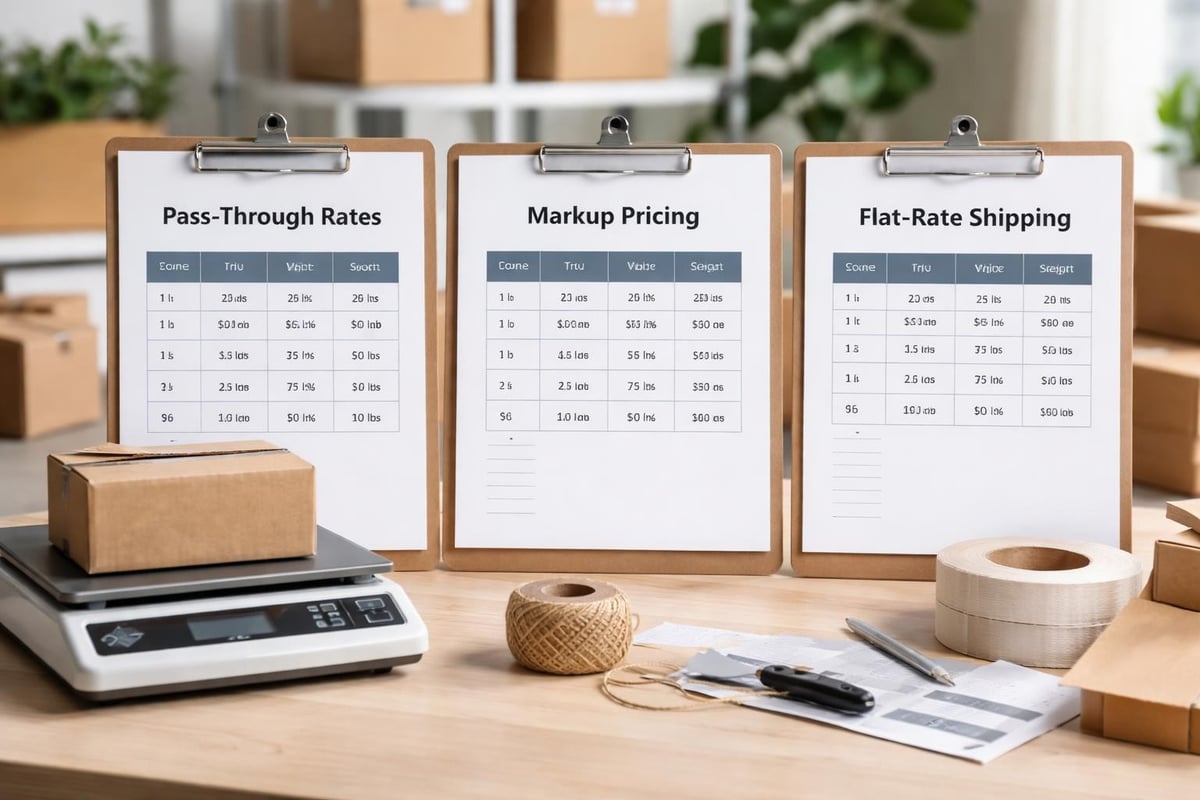
| Shipping Model | Transparency | Cost Predictability | Best For |
|---|---|---|---|
| Pass-Through | High | Medium | High-volume sellers |
| Markup | Medium | Medium | Growing businesses |
| Flat-Rate | Low | High | Budgeting simplicity |
Technology and Software Fees
Modern fulfillment operations rely heavily on warehouse management systems (WMS) and integration platforms, creating another layer of fulfillment center costs that many businesses overlook during initial evaluations.
Monthly Platform Charges
Most fulfillment centers charge technology fees ranging from $100 to $500 per month, though some providers include these in their base rates while others charge separately. These fees typically cover:
- WMS access and usage: Real-time inventory tracking and order management
- Integration platforms: Connections to Shopify, Amazon, WooCommerce, and other channels
- Reporting dashboards: Analytics on inventory levels, order velocity, and fulfillment metrics
- API access: Custom integrations for enterprise clients
- EDI capabilities: Electronic data interchange for larger retailers
Premium features like advanced forecasting, multi-channel inventory allocation, or custom reporting may incur additional monthly charges of $50 to $300 depending on complexity.
Hidden and Miscellaneous Fees
Beyond the core cost categories, several often-overlooked charges can significantly impact your total fulfillment center costs. Savvy business owners examine contracts carefully to identify these potential expenses before signing agreements.
Account Management and Setup
Many fulfillment centers charge one-time or recurring fees for account services:
- Onboarding fees: $500 to $2,500 for initial setup
- Account management: $100 to $500 monthly for dedicated support
- Minimum monthly fees: $500 to $2,000 regardless of order volume
- Contract termination fees: Variable based on inventory and timing
These charges ensure the fulfillment center covers its administrative costs, particularly for smaller clients who may not generate sufficient order volume to be profitable on fulfillment fees alone.
Special Handling and Compliance
Certain product categories or shipping requirements trigger additional charges that can substantially increase per-order costs:
- Hazmat handling: 50-200% premium for regulated materials
- Oversized items: Additional $5-$25 per item
- Fragile product handling: $1-$5 extra per unit
- Refrigeration: 40-100% storage premium
- Compliance labeling: $0.25-$1.00 per label
E-commerce brands selling products requiring Amazon FBA prep should factor in these specialized services, as they’re essential for marketplace compliance.
Comparing In-House vs. Outsourced Fulfillment Costs
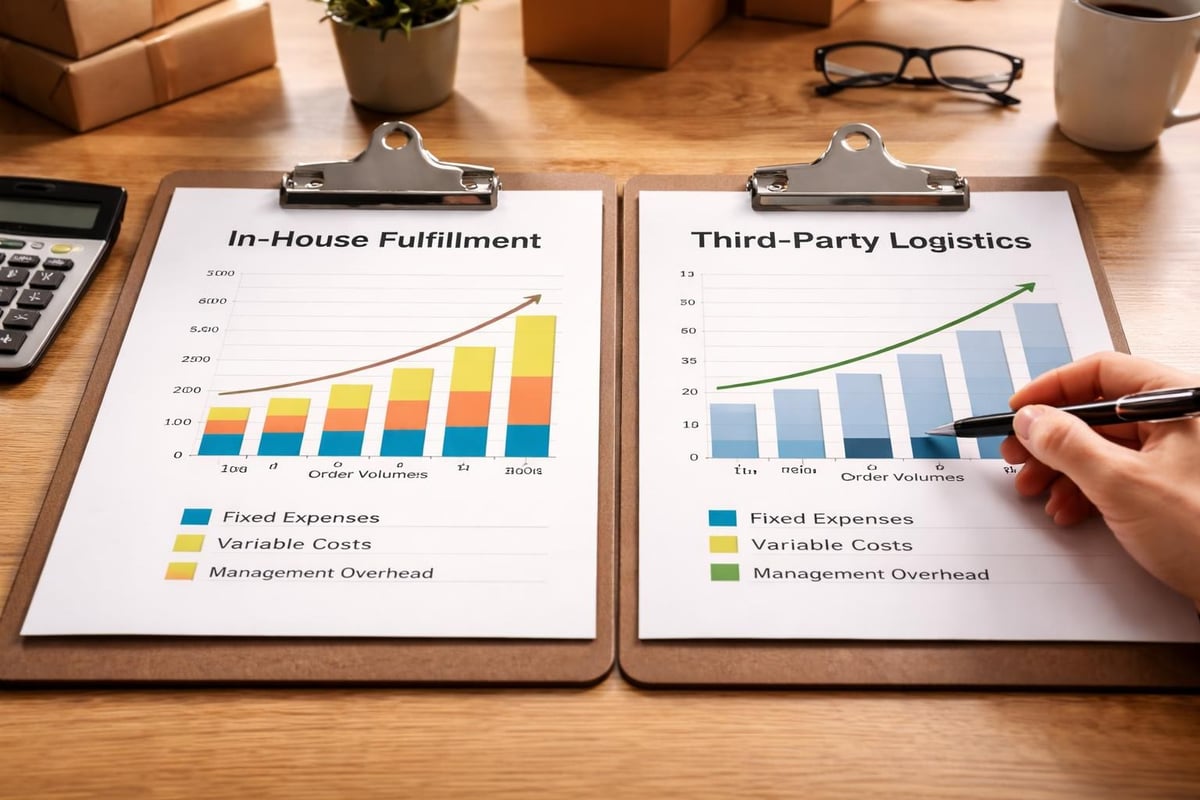
Determining whether outsourcing justifies the expense requires comprehensive cost analysis comparing in-house operations against third-party fulfillment center costs. This decision point often occurs when businesses reach 50-100 orders per day, though the optimal threshold varies by product characteristics and business model.
In-House Fulfillment Expenses
Operating your own fulfillment operation includes both obvious and hidden costs:
Fixed costs include warehouse lease ($5-$12 per square foot annually), utilities ($1,000-$5,000 monthly), equipment purchases or leases ($10,000-$100,000+), and insurance ($2,000-$10,000 annually).
Variable costs encompass labor (wages, benefits, training), packaging materials, shipping supplies, software subscriptions, and equipment maintenance.
Opportunity costs represent the management time diverted from core business activities like product development, marketing, and customer acquisition.
| Cost Category | In-House (100 orders/day) | 3PL Fulfillment | Difference |
|---|---|---|---|
| Fixed Monthly | $8,000-$15,000 | $500-$2,000 | -$6,000 to -$13,000 |
| Variable Per Order | $3-$7 | $5-$10 | +$2 to +$3 |
| Management Time | 60-80 hours/month | 5-10 hours/month | -50 to -70 hours |
Detailed analyses of fulfillment services pricing reveal that outsourcing often becomes cost-effective once businesses exceed certain volume thresholds, particularly when factoring in opportunity costs and growth scalability.
Strategies for Reducing Fulfillment Center Costs
Once you understand the complete pricing structure, several tactics can help optimize your fulfillment expenses without sacrificing service quality or customer satisfaction.
Inventory Management Optimization
Smart inventory practices directly reduce storage costs while improving cash flow:
- Implement just-in-time ordering: Reduce storage fees by minimizing on-hand inventory
- Analyze slow-moving SKUs: Liquidate or discontinue products sitting longer than 90 days
- Consolidate shipments: Send larger, less frequent shipments to reduce receiving fees
- Use forecasting tools: Prevent overstocking that triggers long-term storage charges
- Negotiate storage tiers: Lock in lower rates for committed volume levels
Businesses leveraging what fulfillment services offer can access sophisticated inventory management tools that would be prohibitively expensive to develop in-house.
Packaging and Shipping Optimization
Reducing dimensional weight and improving packaging efficiency can significantly decrease fulfillment center costs:
- Right-size packaging: Use appropriately sized boxes to minimize dimensional weight charges
- Negotiate carrier contracts: Leverage fulfillment center volume for better rates
- Implement zone skipping: Use regional fulfillment centers to reduce shipping zones
- Offer slower shipping options: Encourage customers to choose ground over expedited shipping
- Bundle orders: Combine multiple items into single shipments when possible
Understanding how to cut e-commerce fulfillment shipping costs provides additional strategies for maintaining fast delivery while controlling expenses.
Negotiating Better Fulfillment Pricing
Most fulfillment centers offer flexible pricing structures that reward volume, long-term commitments, or operational efficiency. Approaching negotiations strategically can yield significant savings over standard rate cards.
Volume-Based Discounts
As your business scales, request tiered pricing based on monthly order volume:
- 500-1,000 orders/month: 5-10% discount on pick/pack fees
- 1,000-2,500 orders/month: 10-15% discount plus reduced storage rates
- 2,500-5,000 orders/month: 15-20% discount plus waived technology fees
- 5,000+ orders/month: Custom pricing with dedicated account management
Growth projections strengthen your negotiating position, even if current volumes don’t yet justify premium pricing tiers.
Contract Length and Commitment
Fulfillment centers prefer stable, long-term relationships and often reward commitment with better rates:
Annual contracts typically offer 5-10% better rates than month-to-month arrangements, while multi-year agreements can deliver 10-20% savings with performance guarantees.
However, balance cost savings against flexibility needs, particularly if your business experiences seasonal fluctuations or rapid product line changes. Reviewing 3PL fulfillment center pricing insights helps establish realistic expectations for different contract structures.
Evaluating Total Cost of Ownership
Beyond individual fee categories, assessing true fulfillment center costs requires holistic total cost of ownership (TCO) analysis that incorporates direct expenses, indirect costs, and strategic value considerations.
TCO Components
A comprehensive TCO evaluation includes:
Direct costs: All fees paid to the fulfillment center (storage, pick/pack, shipping, technology, special services)
Indirect costs: Internal labor for managing the relationship, quality control visits, customer service for fulfillment issues, and returns processing complexity
Strategic value: Speed to market for new products, scalability during peak seasons, geographic expansion capabilities, and management bandwidth freed for growth initiatives
Risk factors: Service level agreement compliance, inventory accuracy rates, damage and loss percentages, and business continuity planning
| TCO Element | Weighting Factor | Evaluation Criteria |
|---|---|---|
| Direct Fees | 40% | Transparent, competitive, volume-scaled |
| Service Quality | 30% | SLA compliance, accuracy, communication |
| Strategic Fit | 20% | Scalability, technology, specialization |
| Risk Mitigation | 10% | Insurance, redundancy, track record |
This framework helps businesses avoid selecting providers based solely on the lowest quoted rates, which often leads to service problems and hidden costs down the road. Exploring the financial advantages of fulfillment services reveals how quality providers deliver value beyond simple cost arbitrage.
Seasonal and Peak Period Pricing
Fulfillment center costs often fluctuate during high-volume periods, particularly Q4 holiday seasons when e-commerce order volumes surge. Understanding these dynamics helps with accurate budgeting and cash flow planning.
Peak Season Surcharges
Most fulfillment centers implement temporary rate increases during November and December:
- Pick and pack surcharges: 10-25% above standard rates
- Storage rate increases: 15-30% premiums for peak inventory
- Expedited processing fees: Additional charges for guaranteed ship times
- Temporary labor surcharges: Pass-through costs for seasonal staffing
Forward-thinking businesses negotiate peak pricing terms during initial contract discussions, potentially capping surcharges at specific percentages or locking in standard rates for committed volumes.
Capacity Allocation
Beyond pricing, capacity becomes a critical consideration during peak periods. Fulfillment centers may limit or reject new client onboarding from September through December, prioritizing existing relationships and committed volumes.
Establishing partnerships before peak seasons ensures access to warehouse space and processing capacity when you need it most. This strategic timing can prevent costly service disruptions during your highest-revenue periods.
Industry-Specific Cost Considerations
Different e-commerce verticals face unique fulfillment challenges that impact costs. Understanding your industry’s specific requirements helps identify providers with relevant expertise and appropriate pricing structures.
Fashion and Apparel
Clothing businesses encounter specialized costs including:
- Hanging garment storage: Premium rates for racked items
- Polybagging requirements: $0.30-$0.75 per garment
- Size and color complexity: Higher pick error rates without specialized systems
- Returns processing: Fashion sees 20-30% return rates, multiplying processing costs
Health and Beauty
Cosmetics and supplements face regulatory and handling requirements:
- Lot number tracking: Additional $0.25-$0.50 per unit for compliance
- Expiration date management: FIFO rotation fees and disposal costs
- Temperature control: Climate-controlled storage premiums
- FDA compliance: Special handling and documentation requirements
Electronics
Technology products require specialized care increasing fulfillment center costs:
- ESD-safe handling: Electrostatic discharge protection protocols
- Security requirements: Locked cages and enhanced monitoring
- Testing and quality assurance: Functional checks before shipping
- Serialization tracking: Individual unit tracking for warranties
Understanding these vertical-specific considerations helps establish realistic cost expectations and identify providers with relevant experience. Checking comprehensive fulfillment pricing structures reveals how specialized providers account for industry requirements.
Technology Integration and Its Cost Impact
The sophistication of your fulfillment center’s technology stack directly affects both operational costs and your ability to scale efficiently. Modern systems justify their expense through accuracy improvements, labor efficiency, and customer experience enhancements.
Essential Technology Features
Competitive fulfillment operations require robust systems including:
Warehouse Management Systems (WMS) that provide real-time inventory visibility, optimize pick paths, and prevent stockouts through automated reorder notifications.
Order Management Systems (OMS) that aggregate orders from multiple sales channels, apply business rules for routing, and provide unified customer order history.
Shipping software that compares carrier rates in real-time, generates compliant labels, and provides tracking updates to customers automatically.
While these systems add to fulfillment center costs through monthly fees or per-transaction charges, they typically deliver 15-30% efficiency improvements that offset their expense through reduced labor and error rates.
Integration Complexity
Your specific tech stack influences both implementation timeline and ongoing costs:
- Standard integrations (Shopify, Amazon, WooCommerce): Usually included in base fees
- Custom marketplaces: $500-$2,000 setup plus $50-$200 monthly
- ERP systems: $2,000-$10,000 integration with ongoing maintenance
- Custom APIs: Variable based on complexity and data volume
Businesses with complex multi-channel strategies should evaluate integration capabilities early, as these requirements significantly impact total implementation costs and ongoing monthly fees.
Managing fulfillment center costs effectively requires understanding the complete pricing landscape, from obvious fees like storage and pick/pack charges to hidden costs like technology subscriptions and peak season surcharges. By analyzing total cost of ownership, negotiating volume-based discounts, and optimizing inventory and shipping practices, e-commerce businesses can significantly reduce fulfillment expenses while maintaining service quality. Ecom Automation Prep offers transparent, scalable fulfillment solutions designed for fast-growing e-commerce brands, with comprehensive services including FBA prep, direct-to-consumer fulfillment, kitting, and bundling that eliminate hidden fees and deliver predictable costs as your business grows.
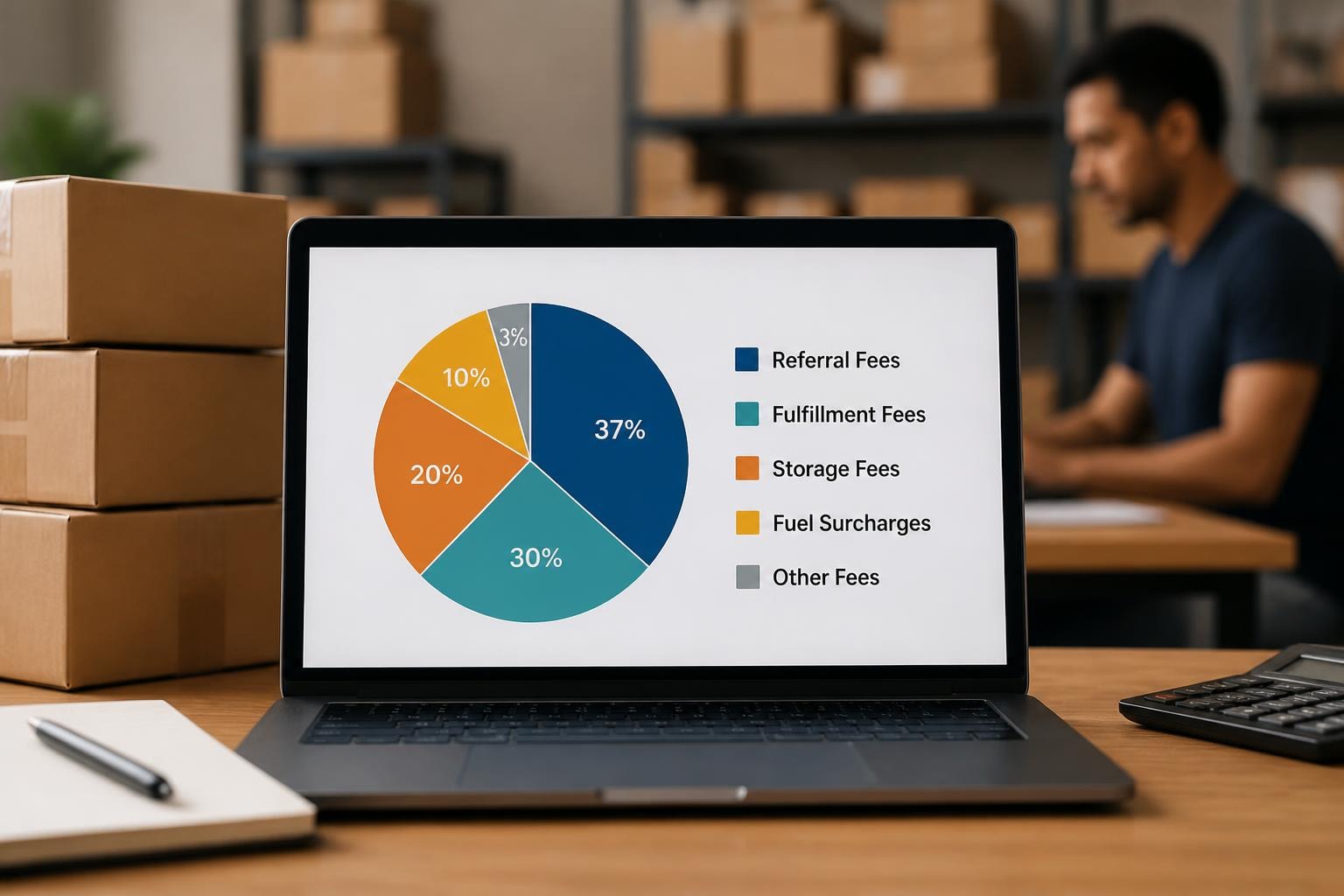

[…] fulfillment center costs associated with returns helps you make informed decisions about return processing versus […]