
The D2C revolution is accelerating, transforming how brands connect with customers and redefining the e-commerce landscape. In 2026, d2c fulfillment is the single most critical factor for scaling, customer satisfaction, and long-term survival.
This guide cuts through the noise, delivering practical strategies, emerging trends, and proven best practices. Whether you lead an e-commerce brand or manage operations, you will find a roadmap to build, optimize, and scale direct-to-consumer fulfillment.
We will cover fundamentals, processes, technology, fulfillment models, challenges, optimization tactics, and the pivotal role of logistics partners.
Understanding the D2C Fulfillment Landscape in 2026
The landscape of d2c fulfillment is transforming rapidly, redefining how brands connect with customers. At its core, d2c fulfillment means shipping products directly from a brand to the end consumer, eliminating the need for wholesalers or traditional retailers. This direct approach empowers brands to control every aspect of the customer journey, from order placement to delivery.
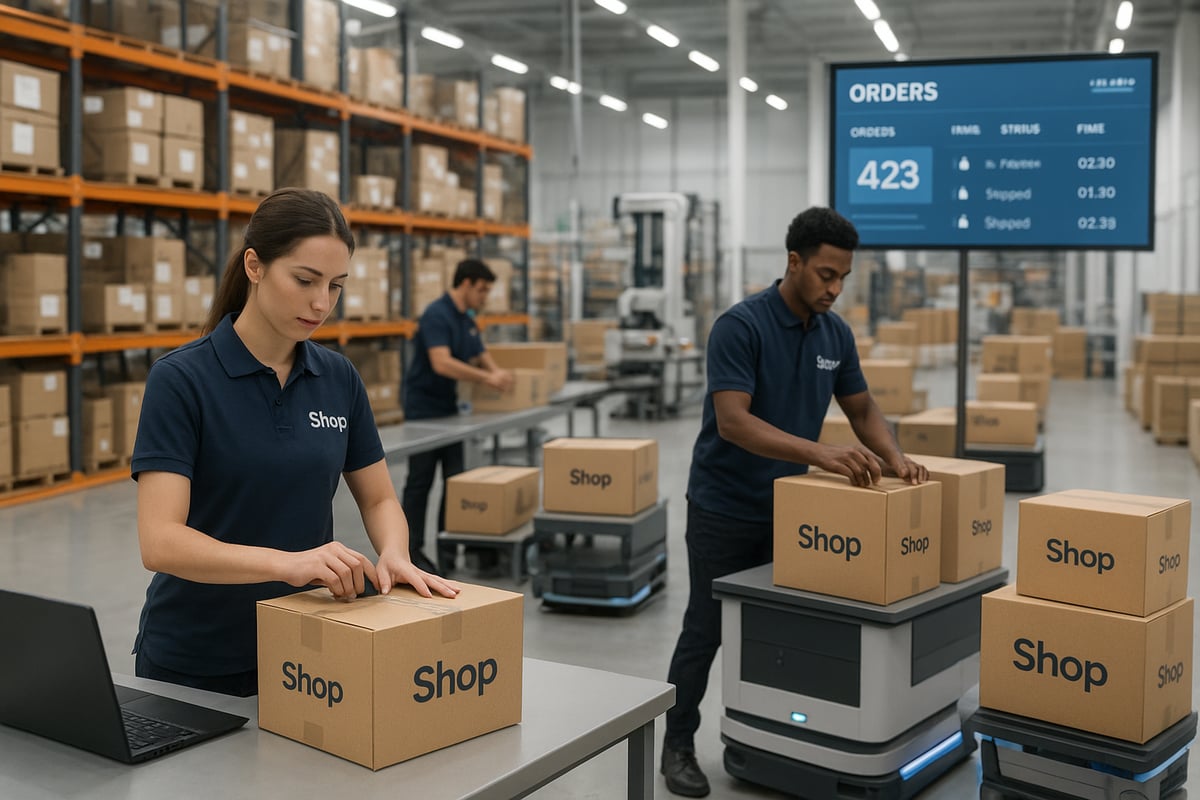
D2C Market Growth and Key Drivers
D2C fulfillment is experiencing remarkable growth. In the United States alone, D2C sales are projected to surpass $212 billion by 2025, with further expansion anticipated in 2026. Several factors are fueling this surge.
First, the influence of social media has never been stronger, enabling brands to reach consumers directly through targeted campaigns and influencer partnerships. Second, consumers increasingly demand transparency, lower prices, and personalized experiences, which d2c fulfillment can deliver more efficiently than traditional retail channels.
Third, the shift toward digital-first shopping behaviors is accelerating, with consumers expecting seamless online interactions. According to recent D2C eCommerce Trends 2026, brands that invest in unified inventory systems and automated warehousing are best positioned to meet these evolving expectations.
Shifts in Consumer Expectations
Modern consumers have high standards when it comes to d2c fulfillment. They expect fast, reliable shipping, often within two days or less. Real-time tracking is no longer optional; customers want to monitor their orders from warehouse to doorstep.
Seamless returns have also emerged as a baseline requirement. Brands that offer easy, no-hassle return processes stand out in a crowded marketplace. Additionally, branded unboxing experiences, complete with custom packaging and thoughtful inserts, enhance customer satisfaction and encourage repeat purchases.
Competitive Advantages and Challenges
D2C fulfillment offers several strategic advantages for brands. Direct control over the customer relationship allows for tailored marketing, better data collection, and a consistent brand experience. Brands also benefit from higher margins, as they bypass retailer markups and reduce reliance on third parties.
The agility to launch new products quickly is another major advantage. However, legacy brands often face significant challenges when shifting to d2c fulfillment. Adapting to digital-first logistics requires breaking down operational silos and investing in new technologies, which can be a daunting transition.
| Advantage | D2C Fulfillment | Traditional Retail |
|---|---|---|
| Brand Control | High | Low |
| Data Ownership | Full | Shared/None |
| Margins | Higher | Lower |
| Agility | Fast | Slow |
Success Stories and Industry Data
Digitally native brands have been at the forefront of d2c fulfillment innovation. Companies like Warby Parker and Glossier disrupted traditional retail by prioritizing direct customer relationships, streamlined logistics, and memorable unboxing experiences.
Recent industry reports show that over 60% of fast-growing consumer brands have adopted d2c fulfillment models to capitalize on these benefits. Furthermore, brands leveraging advanced fulfillment strategies report up to 30% higher customer retention compared to those using conventional retail channels.
As the d2c fulfillment landscape evolves in 2026, brands that embrace technology, transparency, and customer-centric processes will be best positioned to thrive.
Core Components of a Successful D2C Fulfillment Operation
Building a robust d2c fulfillment operation in 2026 requires mastering several critical components. Each step, from the moment an order is placed to the final delivery and potential return, directly impacts customer satisfaction and business growth. Let’s break down the essentials for a seamless and scalable d2c fulfillment process.
Order Management & Processing
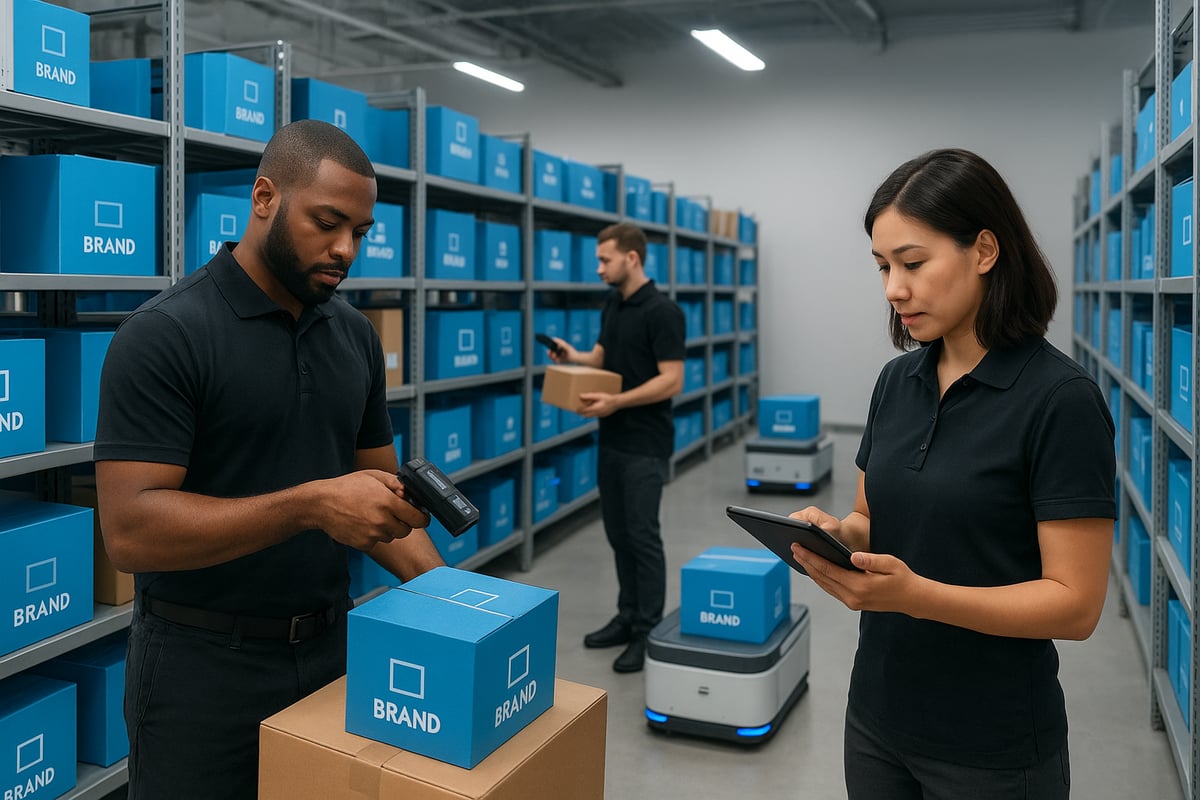
Efficient order management is the backbone of any successful d2c fulfillment strategy. Orders now arrive from multiple channels, including Shopify, WooCommerce, and Amazon, demanding seamless integration. Automation is essential, validating payments and running fraud checks in real time to protect both the brand and consumer.
Advanced systems instantly sync orders with warehouse management software, generating digital pick lists and enabling batch processing. This reduces manual errors and accelerates fulfillment cycles. Brands adopting automated order routing have reported a 35% drop in order mistakes and shortened processing times.
A practical example is a digitally native brand that leverages order management automation to support flash sales and influencer promotions. By integrating with a Direct-to-Consumer Fulfillment Services provider, they scale effortlessly, ensuring accuracy and customer satisfaction. As d2c fulfillment becomes more complex, these technologies are not just helpful, they are essential for operational excellence.
Inventory Management & Warehousing
Inventory management is a linchpin for d2c fulfillment success. Modern brands rely on real-time inventory tracking tools to prevent costly stockouts and overstock situations. Distributed warehousing, where inventory is strategically placed closer to customers, reduces shipping times and expenses.
AI-driven demand planning helps brands forecast needs with higher precision, minimizing excess inventory. Warehouse layout optimization, such as zone picking and clear signage, streamlines picking and packing, further enhancing speed.
For instance, a brand deploying multi-location inventory strategies can fulfill orders from the nearest site, slashing delivery times. Industry data shows that inventory accuracy rates above 97% lead to a 20% boost in customer satisfaction. In d2c fulfillment, visibility and responsiveness are key advantages, empowering brands to adapt quickly to changing demand.
Picking, Packing, and Customization
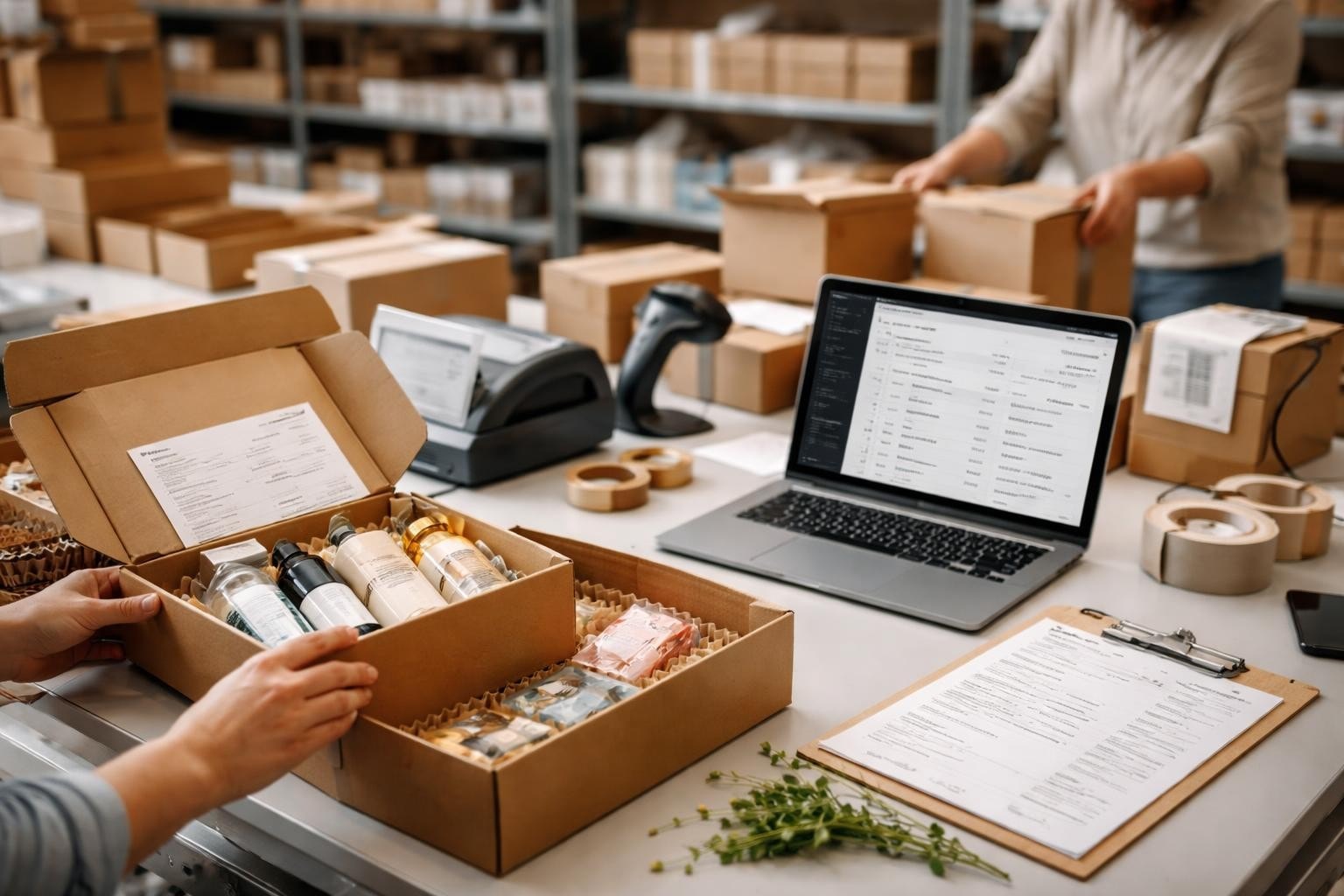
The picking and packing stage is where d2c fulfillment operations directly shape the customer experience. Efficient workflows, powered by barcode or RFID scanning, help minimize errors and reduce costly returns. Customized packaging, including branded boxes and inserts, transforms each delivery into a memorable event.
Sustainability is at the forefront in 2026, with consumers favoring recyclable and eco-friendly materials. Many brands use influencer-driven “unboxing” campaigns, leveraging unique packaging to fuel customer loyalty and social media buzz.
Research indicates that high-quality packaging is linked to a 40% increase in repeat purchase rates. D2c fulfillment teams that prioritize both efficiency and personalization create lasting impressions and drive brand growth.
Shipping, Delivery, and Returns (Reverse Logistics)
Shipping and returns management are critical touchpoints in the d2c fulfillment journey. Selecting the right carriers and negotiating rates can significantly cut costs while meeting rising expectations for two-day or next-day delivery. Real-time tracking tools provide transparency, building trust with customers.
Returns are now seen as an opportunity rather than a burden. Brands offering prepaid labels and instant refunds simplify the process for shoppers. Efficient reverse logistics, including sustainable refurbishment programs, convert returns into positive experiences.
Data reveals that last-mile delivery and return costs can account for up to 53% of total fulfillment expenses. By optimizing these processes, d2c fulfillment operations not only control costs but also enhance customer loyalty and retention.
Fulfillment Models: In-House, 3PL, Dropshipping, and Hybrid Approaches
Choosing the right fulfillment model is essential for d2c fulfillment success in 2026. Brands must balance control, cost, scalability, and customer experience. The landscape offers several models, each with unique benefits and limitations. Let us examine the five leading approaches shaping d2c fulfillment strategies for modern e-commerce brands.
In-House Fulfillment
In-house fulfillment gives brands end-to-end control over operations, packaging, and customer experience. This model is ideal for startups with manageable order volumes or brands seeking to maintain a strong brand identity. However, d2c fulfillment through in-house operations requires significant investment in warehousing, staffing, and technology infrastructure. As businesses scale, operational complexity and costs rise. Many brands begin with in-house d2c fulfillment before transitioning to outsourced solutions as growth accelerates. This approach enables close monitoring of quality and provides flexibility for custom packaging or unique value-added services.
Third-Party Logistics (3PL) Partnerships
Outsourcing d2c fulfillment to third-party logistics (3PL) providers is increasingly popular among fast-growing brands. 3PLs offer access to advanced technology, distributed warehouse networks, and negotiated shipping rates. This model supports rapid expansion and seasonal fluctuations without major capital outlay. Leading d2c fulfillment providers deliver seamless integrations with e-commerce platforms and real-time inventory visibility. Many brands leverage 3PLs for global reach and efficient cross-border shipping. For a detailed breakdown of 3PL versus other models, see this Fulfillment Models Comparison.
Dropshipping
Dropshipping is a lean d2c fulfillment method where suppliers ship directly to customers, eliminating inventory investment for the brand. This approach is best for testing new products, offering long-tail SKUs, or minimizing upfront costs. While dropshipping reduces risk, it also means lower margins and less control over shipping speed and quality. Brands using dropshipping in d2c fulfillment must vet suppliers carefully and monitor service levels. This model can supplement other strategies, especially for niche or limited-run products. The flexibility of dropshipping helps brands adapt quickly to changing market trends.
Fulfillment by Amazon (FBA) & Marketplaces
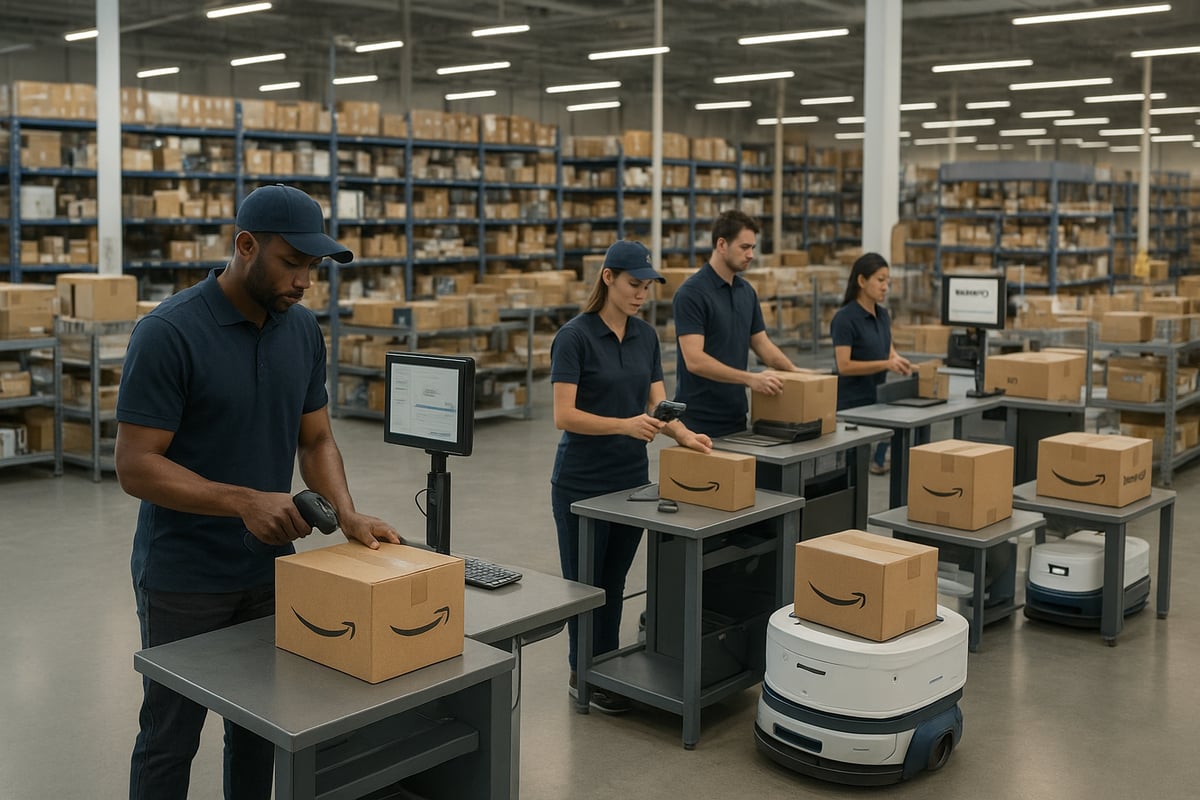
Fulfillment by Amazon (FBA) and marketplace fulfillment give brands access to Amazon’s vast logistics network and Prime shipping. In d2c fulfillment, FBA offers fast delivery and trusted service, but comes with trade-offs such as Amazon-branded packaging, fees, and strict performance requirements. Many brands combine FBA with other fulfillment models for channel flexibility. FBA is often used for high-volume SKUs or to capture marketplace demand, while maintaining direct sales channels elsewhere. This hybrid approach helps brands maximize reach and efficiency in d2c fulfillment.
Hybrid and Automated Fulfillment Models
Hybrid d2c fulfillment combines in-house, 3PL, and dropshipping to optimize flexibility and cost. Brands segment SKUs by fulfillment method based on demand, geography, or seasonality. Automation is a growing trend, with robotics and AI enhancing picking, packing, and inventory management. Automated fulfillment centers offer speed, accuracy, and scalability for high-volume d2c fulfillment operations. Brands adopting hybrid and automated models can quickly adapt to market shifts and maintain a superior customer experience in 2026.
Fulfillment Model Comparison Table
| Model | Control | Cost | Scalability | Customer Experience | Best Use Case |
|---|---|---|---|---|---|
| In-House | High | High | Moderate | High | Startups, customization |
| 3PL | Moderate | Variable | High | High | Growth, global expansion |
| Dropshipping | Low | Low | High | Variable | Testing, niche products |
| FBA/Marketplaces | Low-Mod | Moderate | High | High (Prime) | High volume, channels |
| Hybrid/Automated | High | Variable | Highest | High | Scaling, flexibility |
Selecting the right d2c fulfillment model requires a careful evaluation of business needs and growth plans. Each approach offers unique strengths, and combining models can provide the agility needed to thrive in a competitive market.
Overcoming D2C Fulfillment Challenges in 2026
Brands pursuing d2c fulfillment in 2026 face a rapidly changing landscape. Scaling operations, meeting customer expectations, and managing returns are just a few of the hurdles. Success depends on a proactive approach to these challenges, leveraging technology and strategic partnerships.
Scalability & Demand Fluctuations
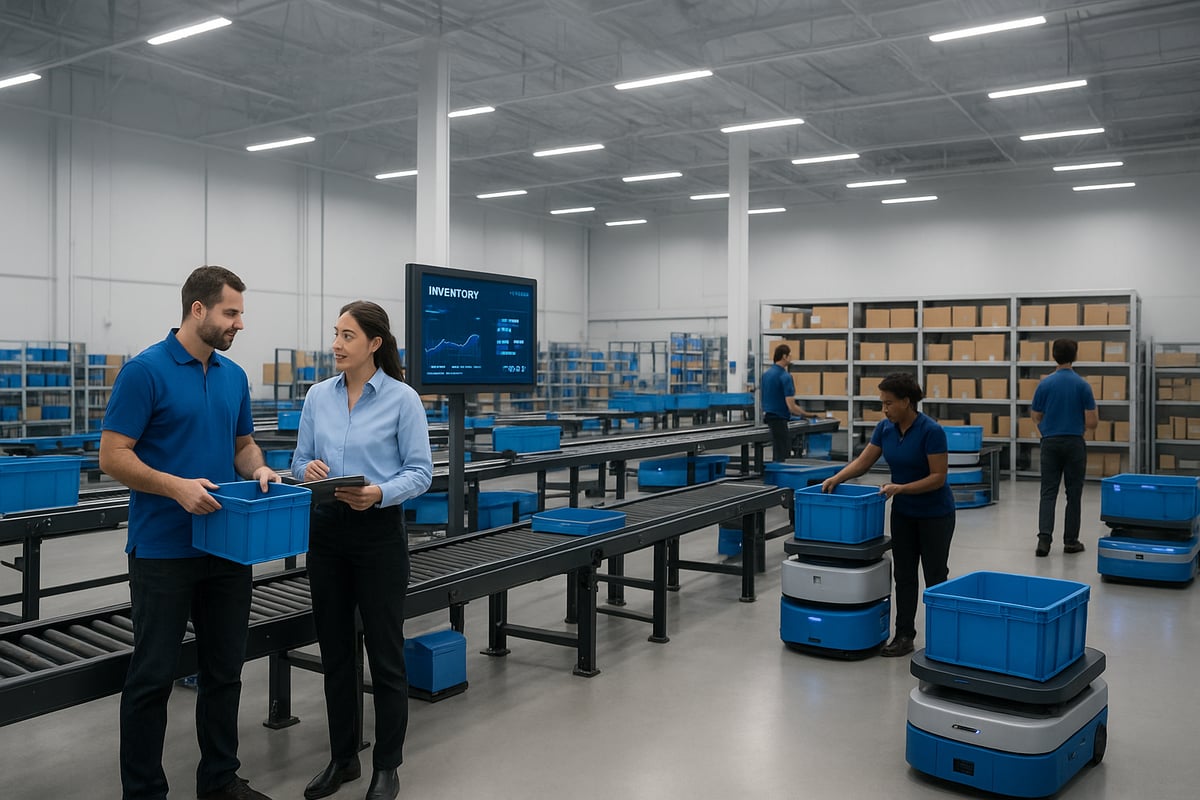
D2C fulfillment must adapt to unpredictable spikes in order volume, whether from flash sales, seasonal peaks, or viral social campaigns. Brands often struggle to scale quickly without sacrificing efficiency or accuracy.
Flexible staffing models and on-demand warehousing have become essential. By partnering with third-party logistics (3PL) providers, brands can access extra capacity during high-demand periods without long-term commitments. For example, a fashion retailer that outsources fulfillment during Black Friday can handle a 300% surge in orders while maintaining customer satisfaction.
Data shows that d2c fulfillment operations using elastic warehousing can reduce lead times by up to 40% during peak seasons. This adaptability is crucial for safeguarding brand reputation and ensuring consistent service.
Inventory Forecasting & Stockouts
Accurate forecasting is a cornerstone of effective d2c fulfillment. Unexpected demand or supply chain disruptions can lead to stockouts, disappointing customers and harming loyalty.
Brands are turning to AI-powered predictive analytics to anticipate trends and optimize inventory levels. Implementing safety stock strategies helps buffer against delays, while real-time visibility across multiple channels ensures proactive restocking.
For instance, a beauty brand using an integrated warehouse management system (WMS) can monitor inventory in real time and trigger automatic replenishment. Studies indicate that companies with robust d2c fulfillment forecasting experience up to 25% fewer stockouts compared to manual methods.
Last-Mile Delivery Optimization
The final leg of the delivery journey is often the most complex and expensive part of d2c fulfillment. Customers now expect fast, reliable shipping with transparent tracking.
To meet these demands, brands are deploying route optimization software and partnering with local couriers. Micro-fulfillment centers in urban areas enable same-day delivery, balancing speed and cost. Environmental impact is also a growing concern, prompting companies to explore greener delivery options.
Research reveals that brands optimizing last-mile delivery for d2c fulfillment see customer retention rates increase by 18%. Fast, predictable shipping is no longer a differentiator but a baseline expectation.
Returns & Reverse Logistics
A seamless returns process is a competitive advantage in d2c fulfillment. Customers expect simple, hassle-free returns with instant refunds or exchanges.
Automation plays a key role, with brands using digital return authorization and prepaid labels to streamline the experience. Sustainable returns handling, such as refurbishment or recycling, is also gaining traction. Brands are transforming returns into positive touchpoints by offering easy online initiation and proactive communication.
For further insights on efficient returns management, explore Reverse Logistics Solutions to discover industry-leading best practices. Companies that excel in d2c fulfillment returns report up to 30% higher customer satisfaction and increased repeat business.
Leveraging Technology for D2C Fulfillment Excellence
Technology is rapidly transforming d2c fulfillment, making it the backbone of scalable direct-to-consumer operations in 2026. As consumer expectations climb, brands must leverage advanced tools to streamline fulfillment, boost transparency, and stay competitive.
Seamless Integration and Real-Time Visibility
Modern d2c fulfillment relies on tight integration between e-commerce platforms, warehouse management systems, and carrier APIs. This seamless connectivity enables real-time syncing of orders, inventory, and shipping data across all channels.
With robust integrations, brands gain full visibility into every order’s journey—from purchase to delivery. Real-time tracking empowers both operations teams and customers, reducing support inquiries and building trust. Brands that invest in these technologies can quickly identify bottlenecks and proactively resolve issues.
AI, Machine Learning, and Automation
Artificial intelligence and machine learning are redefining demand forecasting and process automation in d2c fulfillment. Predictive analytics enable brands to anticipate demand spikes, optimize inventory placement, and minimize stockouts.
Automated picking, packing, and sorting systems—powered by robotics and smart algorithms—dramatically increase order accuracy and fulfillment speed. According to industry reports, automation can boost warehouse efficiency by up to 30 percent, allowing brands to scale without sacrificing quality.
AI-driven workflows also support personalized customer experiences and subscription-based models. For more on how AI is shaping the future of D2C, see these D2C Subscription Trend Predictions.
Data Analytics and Cybersecurity
Continuous improvement is essential for d2c fulfillment success. Advanced analytics platforms monitor key performance indicators such as order accuracy, shipping speed, and cost per order. These insights allow brands to fine-tune operations, cut waste, and improve customer satisfaction.
Data-driven decision-making also helps brands optimize shipping routes and negotiate better carrier rates. For practical strategies on reducing shipping costs, explore Reducing E-Commerce Shipping Costs.
As more data flows through integrated systems, cybersecurity and privacy rise in importance. Brands must protect customer information, comply with regulations, and maintain robust protocols to safeguard sensitive data.
Future-Ready Fulfillment
In 2026, d2c fulfillment excellence demands a blend of integration, automation, analytics, and security. Brands that embrace these technologies will outperform competitors, delight customers, and ensure operational resilience.
The path to fulfillment success is clear: invest in the right technology, prioritize real-time insights, and foster a culture of continuous improvement. The right digital foundation will enable your brand to scale confidently in the evolving D2C landscape.
Choosing and Implementing the Right D2C Fulfillment Strategy
Selecting the optimal d2c fulfillment strategy is pivotal for scaling your brand in 2026. The right approach ensures operational efficiency, seamless customer experiences, and long-term growth. Let’s break down the process into actionable steps, so you can make informed decisions at every stage.
Assessing Your Fulfillment Needs
Begin by thoroughly auditing your current d2c fulfillment operations. Identify bottlenecks, pain points, and strengths within your order processing, inventory management, and shipping workflows.
List your average order volume, product types, and the sales channels you use, such as your online store, marketplaces, or social platforms. Analyze whether your in-house capabilities can handle projected growth or if outsourcing may be necessary.
Brands that regularly review their d2c fulfillment needs can better anticipate scaling challenges and allocate resources efficiently. For example, a company experiencing rapid sales growth might find internal fulfillment increasingly complex, prompting consideration of external partners.
Selecting the Right Fulfillment Partner or Model
Choosing a suitable partner or model for d2c fulfillment requires careful evaluation. Consider these criteria:
- Technology integration capabilities
- Scalability and flexibility for peak seasons
- Geographic reach and shipping options
- Range of services, such as kitting, returns, or custom packaging
- Transparent pricing and contracts
Vet potential partners by researching their order accuracy rates, customer service standards, and industry reputation. Brands often succeed when their chosen d2c fulfillment model matches their stage of growth and operational needs. For further insights into market dynamics and partner selection, review the D2C Logistics Market Analysis.
Technology and Integration Planning
A seamless d2c fulfillment strategy depends on robust technology and integration. Ensure your e-commerce platform connects smoothly with inventory, warehouse, and shipping systems.
Prioritize real-time syncing to minimize errors and out-of-stock scenarios. Automated workflows, such as order routing and inventory updates, are essential for scaling.
Plan for future expansion by selecting systems that support omnichannel fulfillment and can adapt to new sales channels. Brands that achieve a unified, “single source of truth” for inventory and orders can respond quickly to demand shifts and customer expectations.
Implementation and Continuous Optimization
Roll out your d2c fulfillment strategy in phases to minimize disruption. Begin with onboarding and testing, then establish performance benchmarks for metrics like order accuracy, shipping speed, and return rates.
Monitor key performance indicators continuously, using data analytics and customer feedback to refine processes. Embrace a culture of continuous improvement, iterating on workflows as market trends evolve or technology advances. For actionable strategies and practical tips, visit the D2C Fulfillment Challenges and Strategies resource.
Brands that regularly optimize their d2c fulfillment operations remain agile and competitive, creating memorable customer experiences while controlling costs.
As you plan your D2C strategy for 2026, it’s clear that seamless fulfillment is the foundation for growth, happy customers, and a competitive edge. You’ve seen how the right systems, technology, and partners can transform your operations and unlock new opportunities. If you’re ready to take the next step—whether you want to streamline your processes, scale up confidently, or simply focus more on your core business—let’s talk about solutions tailored to your needs. You deserve a fulfillment partner who’s as invested in your success as you are.
Get A Quote

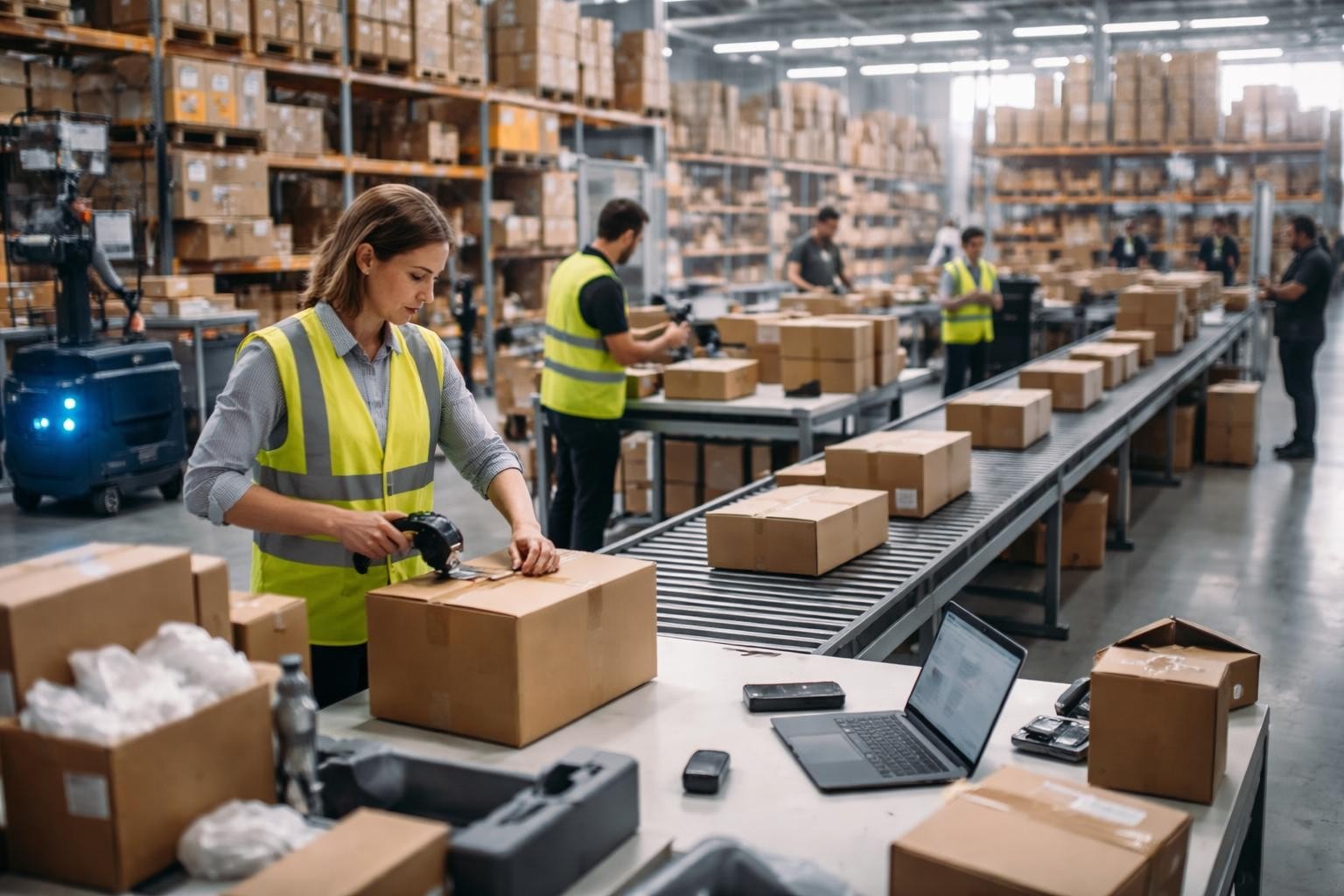
[…] D2C fulfillment emphasizes individual order accuracy and presentation, while B2B fulfillment focuses on bulk shipping, EDI integration, and retailer-specific compliance requirements. The best fulfillment partners handle both seamlessly. […]
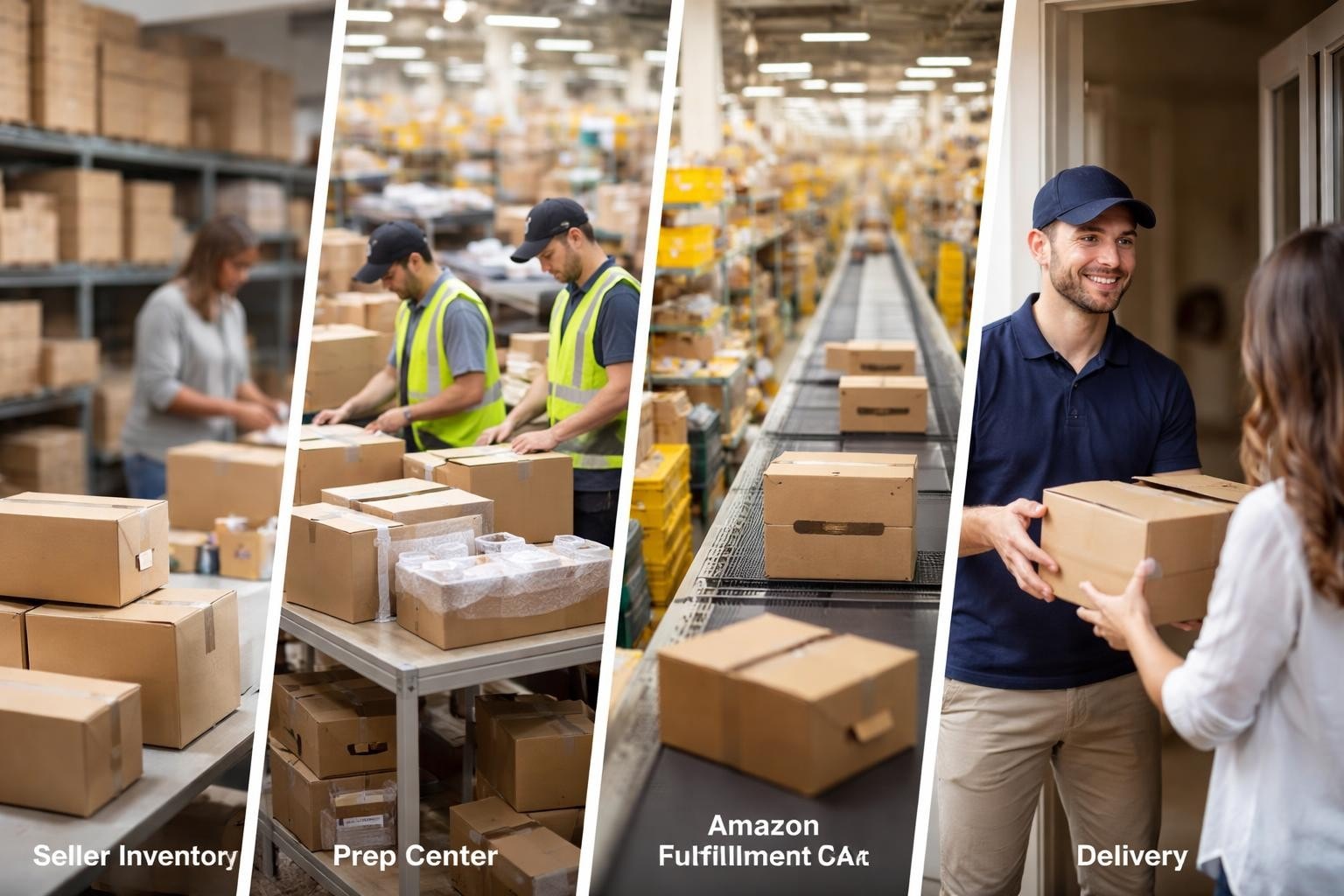
[…] Direct-to-consumer fulfillment provides brand control and customer relationship ownership unavailable through Amazon alone. Building owned channels creates sustainable business value and higher lifetime customer value through repeat purchases and email marketing. Combining FBA for Amazon orders with specialized fulfillment for owned channels optimizes both reach and profitability. […]