
In 2026, the e-commerce world is more competitive than ever. Shoppers expect a seamless, secure experience at every stage, and a single hiccup at checkout can mean a lost sale.
Cart abandonment remains a top concern for businesses. Often, the culprit is a slow or confusing check out service that frustrates customers and drives them away.
This essential guide will show you how to turn your check out service into a competitive advantage. We will explore the latest trends, cutting-edge technologies, and proven best practices that help brands increase conversions and deliver a better shopping experience.
You will discover what defines a modern check out service, the must-have features, step-by-step implementation strategies, integration tips, and the key trends shaping the future.
Ready to boost conversions and stay ahead in 2026? Let’s dive in.
Understanding Check Out Service in 2026
Navigating the e-commerce landscape in 2026 requires a deep understanding of what a check out service truly offers. Brands need to know how these solutions have evolved, the features that matter most, and the standards that define excellence. This section breaks down what sets modern check out service apart, helping you choose and leverage the right platform for your business.
Defining Check Out Service
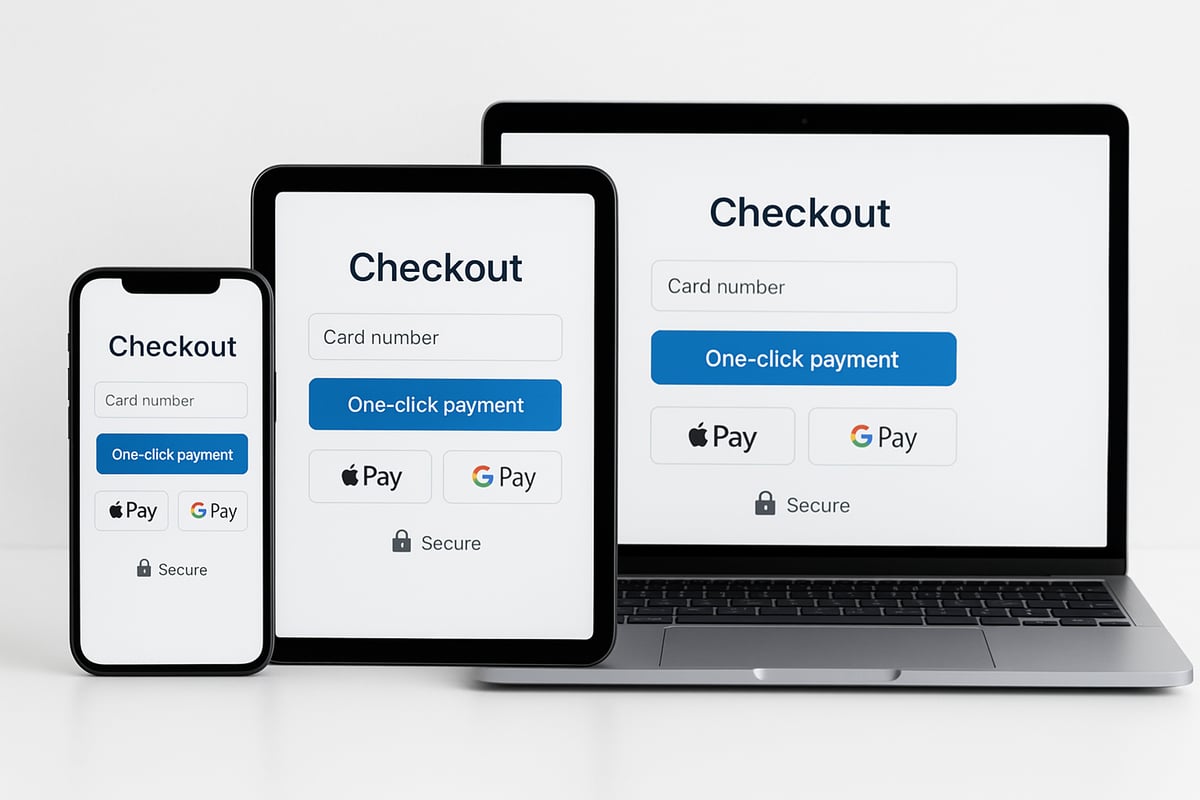
A check out service is a core component of any e-commerce platform, enabling customers to complete purchases quickly and securely. Over the years, solutions have shifted from rigid, custom-built flows to cloud-based, API-driven models that adapt to changing business needs. Today, the market distinguishes between checkout as a service (CaaS), which offers ready-to-deploy solutions, and bespoke checkouts, tailored to specific brand requirements.
With the rise of easy online check out solutions, businesses can now implement advanced payment flows without heavy development costs. Adopting a modern check out service ensures both flexibility and scalability for brands targeting global audiences.
Key Features of Modern Check Out Services
Modern check out service platforms prioritize speed, convenience, and versatility. Key features include one-click checkout for repeat buyers, mobile-first design principles, and seamless cross-device experiences. Integrated payment gateways, such as Iris Payments and Bizum, allow customers to choose their preferred payment method.
Plug and play payment integrations reduce setup time, making it easy for merchants to offer a wide range of options. These features help ensure that the check out service adapts to evolving consumer expectations and technological advancements.
Security and Compliance Standards
Security is non-negotiable for any check out service. Adherence to PCI DSS compliance protects sensitive payment data and builds customer trust. Advanced encryption methods and real-time fraud detection systems safeguard transactions at every step.
Global brands also face the challenge of meeting GDPR and other data privacy regulations. A reliable check out service incorporates these standards to protect both merchants and shoppers, reducing the risk of breaches and regulatory penalties.
User Experience (UX) Innovations
User experience is at the heart of every successful check out service in 2026. Personalization features, such as saved addresses and payment methods, speed up repeat transactions. Social commerce capabilities enable customers to check out directly from social media platforms, while unified in-store and online checkout processes deliver a consistent brand experience.
These innovations not only improve satisfaction, they also foster loyalty and encourage higher conversion rates. The right check out service turns every transaction into a seamless journey for the customer.
Benefits for Merchants and Shoppers
A top-tier check out service delivers measurable benefits for all parties involved. Merchants see increased conversion rates and fewer abandoned carts, thanks to reduced friction and intuitive flows. Managed solutions lower operational overhead and streamline payment management.
For fast-growing brands, scalability becomes effortless, allowing expansion across new markets without major technical hurdles. Shoppers benefit from faster, safer, and more flexible checkouts, making every purchase experience smooth and reliable.
Step-by-Step Guide to Implementing a Check Out Service
Implementing a robust check out service is crucial for any online business looking to thrive in 2026. This step-by-step guide will walk you through the essential actions, from initial assessment to continuous optimization, ensuring your check out service delivers seamless, secure, and high-converting experiences.
Assessing Your E-Commerce Needs
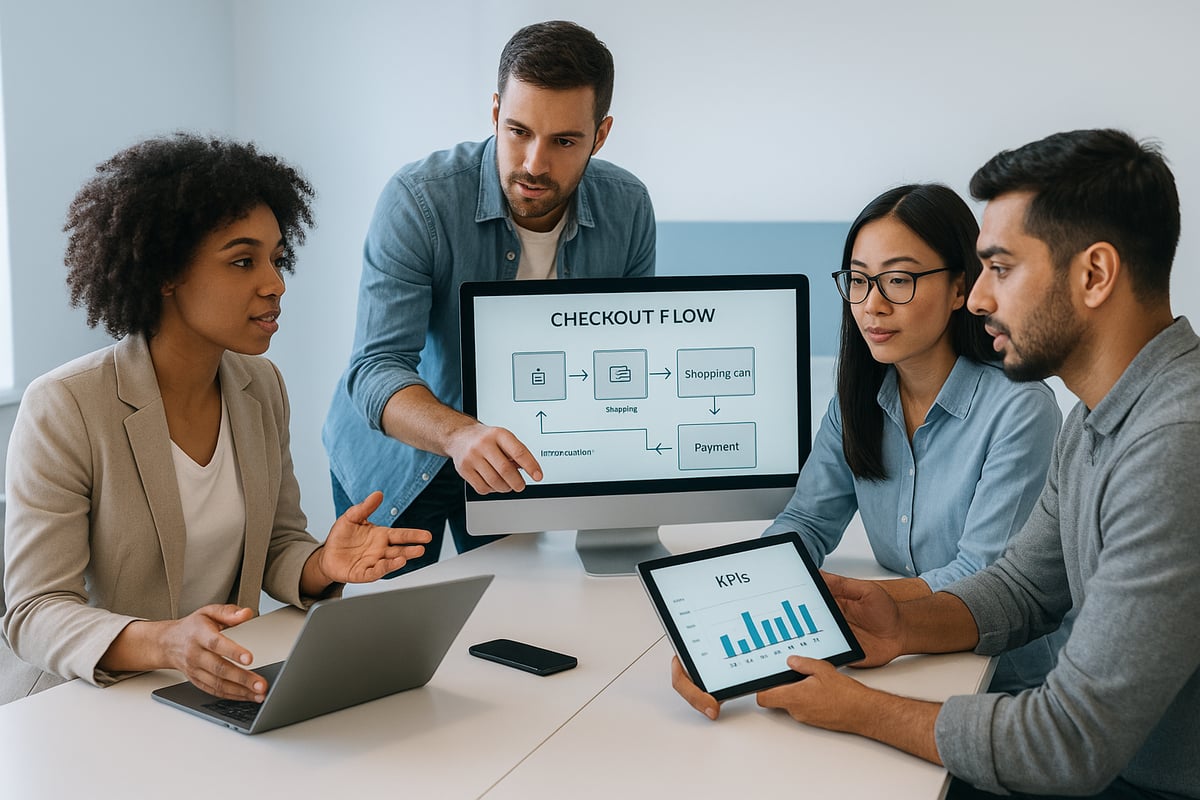
Begin by thoroughly evaluating your business’s current landscape before selecting a check out service. Map every sales channel, including web, mobile, social, and in-store touchpoints. Identify where customers interact with your brand, noting pain points like cart abandonment or payment failures.
List out the core metrics you want to improve. Common KPIs for check out service optimization include:
- Conversion rate
- Cart abandonment rate
- Payment success rate
- Average order value
Collect feedback from customers and review analytics to uncover friction in the existing process. Are users dropping off at payment gateways? Is the mobile experience inconsistent? Pinpointing these issues will help you define clear objectives for your new check out service.
Set measurable goals for your implementation. For example, aim to reduce cart abandonment by 15 percent or increase mobile conversion rates by 10 percent within six months. A data-driven assessment lays the groundwork for successful check out service deployment.
Choosing the Right Check Out Service Provider
Selecting the right check out service provider involves careful comparison of features, scalability, and support. Begin by listing your must-have capabilities, such as mobile-first design, one-click checkout, and support for multiple payment gateways. Consider whether a plug and play solution or a customizable API-driven platform suits your business model.
Use the table below to compare leading providers:
| Provider | Key Features | Pricing Model | Integrations | Support Level |
|---|---|---|---|---|
| Simpler | CaaS, mobile-first, repeat checkout | Subscription | Shopify, WooCommerce, API | 24/7 live chat |
| Provider B | API-driven, analytics, fraud tools | Transactional | Magento, custom stores | Email/ticketing |
| Provider C | Social commerce, local payments | Hybrid | BigCommerce, custom API | Phone/email |
Review case studies, such as European brands expanding with Simpler’s CaaS, to understand real-world outcomes. Evaluate each provider’s scalability, uptime guarantees, and responsiveness to support queries. Reliable check out service partners offer proactive monitoring and regular updates, ensuring your checkout remains future-ready.
Integrating with Your E-Commerce Platform
A seamless check out service must integrate smoothly with your existing e-commerce systems. Decide whether you need a plug and play integration or a custom implementation for more complex requirements. Assess compatibility with platforms like Shopify, WooCommerce, Magento, or bespoke store solutions.
For businesses with legacy systems, data migration and backward compatibility become critical. Map out all necessary touchpoints, ensuring the check out service works across devices and channels. Integration should also support inventory management, order tracking, and customer data synchronization.
Explore resources like the E-commerce integrations overview to understand best practices for connecting check out services to your platform. Prioritize solutions that offer pre-built connectors or robust APIs, minimizing setup time and potential errors. Rigorous testing during integration ensures a frictionless customer journey from cart to confirmation.
Configuring Payment Methods and Security
Configuring your check out service for maximum flexibility and security is essential. Enable a broad range of payment methods, including credit cards, digital wallets, and region-specific options like Bizum or Iris Payments. Ensure your system supports recurring billing, refunds, and split payments if needed.
Implement advanced security measures, such as PCI DSS compliance, SSL encryption, and multi-factor authentication. Set up automated fraud prevention tools that flag suspicious transactions in real time. Manage chargebacks proactively with clear policies and responsive support.
Stay up to date with global data privacy regulations, such as GDPR, to protect customer information. Regularly audit your check out service’s security protocols and provide transparent communication to shoppers about how their data is handled. A secure, versatile payment setup fosters trust and drives conversions.
Testing, Launching, and Optimizing
Before going live, rigorously test your new check out service across all devices and user scenarios. Conduct A/B tests comparing different checkout flows, button placements, and form fields. Gather feedback from real users to identify lingering friction points.
Monitor core metrics like conversion rates, drop-off points, and average transaction value. Use analytics dashboards to visualize performance trends over time. Implement automated updates and patches to keep your check out service running smoothly and securely.
Adopt an iterative approach, making continuous improvements based on data and user insights. Regularly revisit your KPIs and adjust strategies as your business grows and customer expectations evolve. A commitment to ongoing optimization ensures your check out service remains a key driver of revenue and loyalty.
Enhancing Customer Experience at Checkout
Customer expectations for a seamless check out service have never been higher. In 2026, businesses must go beyond basic functionality to create memorable, efficient, and inclusive experiences at every touchpoint. Let us explore how innovative strategies in mobile design, personalization, social commerce, accessibility, and friction reduction are redefining the check out service and setting new standards for customer satisfaction.
Mobile-First and Omnichannel Checkout
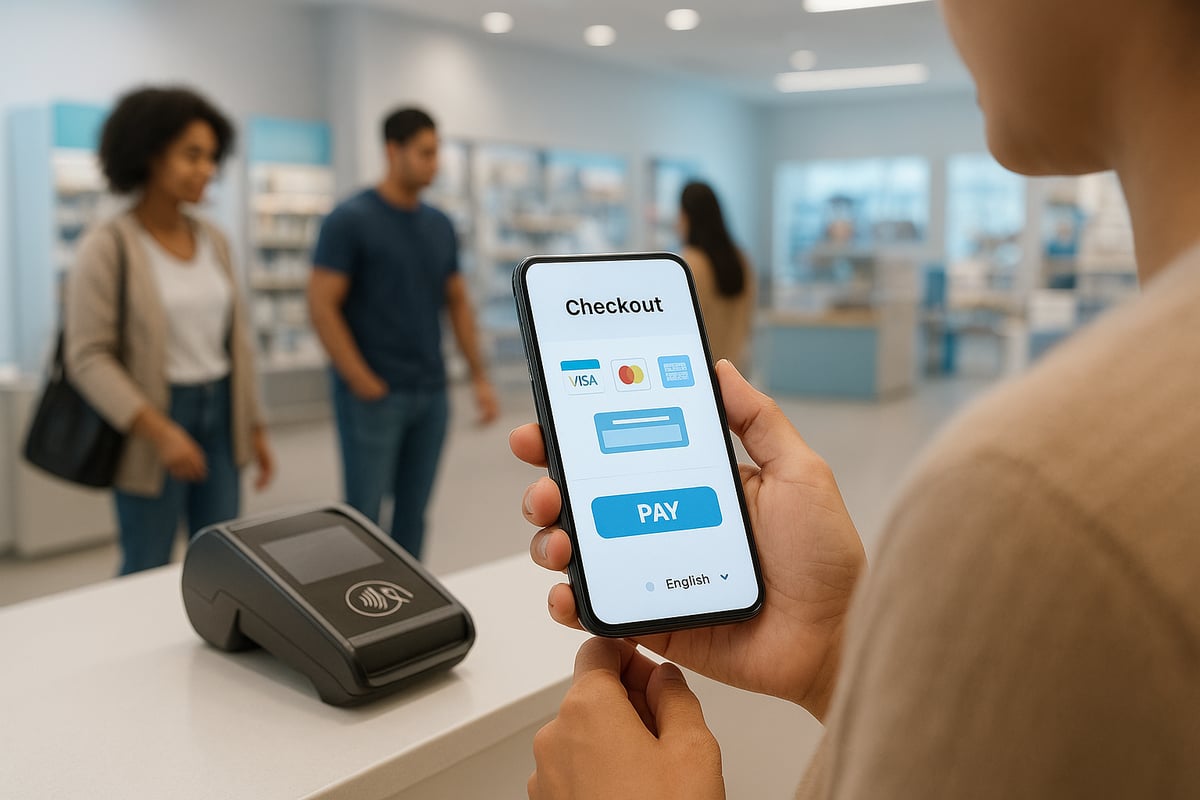
In 2026, a mobile-first approach is essential for any check out service. Shoppers expect to initiate and complete purchases on any device, whether they are at home, on-the-go, or even in-store. Responsive design ensures that the check out service is visually appealing and fully functional across smartphones, tablets, and desktops.
Modern check out service solutions like Simpler enable:
- Smooth transitions between mobile, desktop, and physical stores
- Consistent payment options and saved preferences across platforms
- Real-time updates for stock, shipping, and promotions
Brands that optimize for omnichannel checkout see higher conversion rates and customer loyalty. To stay competitive, it is vital to adopt the latest trends, including those highlighted in Top trends for online payments in 2026, to ensure your check out service offers both flexibility and security.
Personalization and Repeat Purchases
A truly effective check out service leverages personalization to create frictionless repeat purchases. By storing customer preferences, saved addresses, and payment methods, businesses reduce the time and effort required for each transaction.
Key features include:
- One-click repeat checkout for returning shoppers
- Personalized product recommendations or upsells at checkout
- Dynamic shipping options tailored to customer location
Integrating loyalty programs within the check out service further encourages customers to return. When shoppers feel recognized and valued, their likelihood of completing purchases increases, directly impacting your bottom line.
Social Commerce and Checkout from Anywhere
Social commerce has transformed how brands approach the check out service. In 2026, shoppers can purchase products directly from social media feeds, influencer posts, or digital ads without leaving the platform.
Benefits of integrating check out service with social channels:
- Instant purchases from Instagram, TikTok, or Facebook
- Streamlined payment flows embedded within social content
- Easier expansion into new markets, especially for brands scaling across Europe
With consumers spending more time on social platforms, enabling checkout from anywhere ensures your business meets customers where they are most engaged, driving higher conversion rates.
Accessibility and Inclusivity
An inclusive check out service is not just a legal requirement, but a business imperative. ADA compliance and accessible design standards help ensure that all customers, including those with visual or physical impairments, can complete their purchases with ease.
Essential accessibility features:
- Screen reader compatibility and keyboard navigation
- High-contrast text, adjustable font sizes, and clear error messages
- Language localization and currency adaptation for international shoppers
By prioritizing inclusivity, your check out service becomes welcoming to all, opening your brand to a broader audience and reinforcing trust.
Reducing Friction and Cart Abandonment
Friction in the check out service is a leading cause of cart abandonment. To minimize drop-off, streamline the process with features that prioritize speed and clarity.
Effective tactics include:
- Offering guest checkout alongside account creation
- Transparent pricing, shipping rates, and tax calculations upfront
- Real-time support via chatbots or live agents during checkout
A smooth, reassuring check out service lowers barriers for shoppers, helping them complete their purchases quickly and confidently, which directly improves conversion rates.
Integrating Check Out Service with Business Operations
A robust check out service does more than process payments. It seamlessly connects with every aspect of your business, from inventory to compliance. This integration ensures your operations run smoothly, orders are accurate, and customers stay satisfied throughout their journey.

Inventory and Order Management Synchronization
Integrating your check out service with real-time inventory systems is crucial for operational efficiency. When a customer completes a purchase, the system should update stock levels instantly, reducing the risk of overselling.
Automated order routing ensures that orders are sent to the right warehouse or fulfillment center based on availability and customer location. This approach minimizes delays and backorders. For brands scaling quickly, synchronization between check out service and inventory data helps maintain accuracy across multiple sales channels.
A unified system also streamlines returns and restocking, making it easier to manage high order volumes. This integration supports transparency for both the business and the shopper, fostering trust.
Analytics and Reporting
Understanding how customers interact with your check out service is essential for growth. By integrating analytics platforms like Google Analytics or proprietary dashboards, merchants gain visibility into conversion rates, drop-off points, and payment preferences.
A well-connected check out service can generate detailed reports on transaction volumes, abandoned carts, and successful payments. These insights allow businesses to optimize their checkout flows and marketing strategies.
Regular analysis helps identify bottlenecks and test new features. Data-driven decisions empower brands to refine the customer journey and respond quickly to changing trends.
| Metric | Insight Provided |
|---|---|
| Conversion Rate | Checkout effectiveness |
| Drop-off Location | UX pain points |
| Payment Method Usage | Preferred options |
| Refund/Chargeback Rate | Risk management |
Multi-Channel Fulfillment and Logistics
Modern e-commerce often means selling across direct-to-consumer, B2B, and marketplaces. Your check out service must coordinate with logistics systems to handle shipping, tracking, and returns seamlessly.
Automated fulfillment solutions route orders to the optimal location, whether local warehouses or third-party partners. This reduces delivery times and shipping costs. For an in-depth look at fulfillment strategies that enhance the check out experience, see E-commerce fulfillment and logistics.
Clear communication between check out service and logistics ensures customers receive accurate shipping estimates, tracking updates, and hassle-free returns. This integration is key for businesses operating in multiple regions.
Customer Support Integration
Embedding support tools within your check out service can dramatically improve the customer experience. Live chat, help widgets, and automated notifications allow shoppers to resolve issues without leaving the checkout flow.
Integrations with support systems enable instant order confirmations, shipping updates, and quick responses to post-purchase inquiries. For best practices on building effective support into e-commerce, visit E-commerce support best practices.
A well-supported check out service helps reduce friction, builds loyalty, and increases conversion rates by giving customers confidence at the point of purchase.
Staying Compliant with Global Regulations
Adapting your check out service for global sales requires attention to compliance. Tax calculations, local payment regulations, and data privacy laws such as GDPR must be addressed to avoid legal pitfalls.
A compliant check out service automatically applies the correct taxes based on location and supports local payment methods to boost international conversions. Data residency requirements are managed to protect customer information.
Staying up to date with evolving regulations keeps your business secure and trustworthy in the eyes of global shoppers.
Future Trends in Check Out Service
The future of check out service is rapidly evolving as e-commerce continues to expand across the globe. Retailers are under pressure to deliver faster, safer, and more intuitive experiences. Staying ahead means adopting innovations that not only satisfy customers but also enhance operational efficiency. In this section, we explore the top trends shaping check out service in 2026.
AI and Automation in Checkout
AI is revolutionizing the check out service landscape. In 2026, predictive analytics tailor the checkout process to each user, dynamically adjusting payment options, shipping methods, and even upsell offers in real time. Fraud detection systems use machine learning to analyze transactions for suspicious activity, reducing false positives and protecting both merchants and shoppers.
Automation extends to self-improving checkout flows that adapt based on customer behavior. For instance, Microsoft turns Copilot chats into a checkout lane by integrating AI-driven purchasing capabilities directly into chat interfaces, streamlining the path from discovery to purchase. Expect automated updates and system enhancements to roll out seamlessly, keeping the check out service at peak performance without manual intervention.
Biometric and Alternative Payment Methods
Security and convenience are at the forefront of modern check out service. Biometric authentication, such as fingerprint and facial recognition, is becoming mainstream, offering a frictionless yet secure way for customers to confirm purchases. These methods reduce the risk of fraud and speed up the checkout process.
Alternative payment options are also gaining ground. Digital wallets, cryptocurrencies, and buy-now-pay-later (BNPL) services cater to diverse regional preferences. The table below summarizes popular payment methods in 2026:
| Payment Method | Security Level | Popular Regions |
|---|---|---|
| Biometric (Face/Finger) | High | Global |
| Digital Wallets | High | Europe, Asia, Americas |
| Crypto | Medium | Select global markets |
| BNPL | Medium | US, Europe, Australia |
By supporting these, a check out service can appeal to a broader customer base.
Checkout as a Service (CaaS) Ecosystem Expansion
The CaaS ecosystem is expanding rapidly, making it easier for brands to implement enterprise-grade check out service solutions without heavy development. Plug-and-play, no-code platforms empower merchants to launch, customize, and scale their checkout in days rather than months.
API marketplaces and modular components allow for tailored integrations, accommodating everything from loyalty programs to region-specific tax compliance. A prime example is Simpler’s recent €9M investment, which accelerates its expansion across Europe and brings advanced CaaS features to more retailers. By leveraging these advancements, businesses can ensure their check out service is both flexible and future-proof.
Sustainability and Ethical Checkout Practices
Sustainability is no longer optional for brands in 2026. Customers expect eco-friendly options integrated directly into the check out service. This includes carbon-neutral shipping, transparent sourcing, and the ability to select ethical payment providers.
Key practices for sustainable checkout include:
- Displaying carbon offset choices at checkout
- Highlighting products with ethical sourcing
- Offering green shipping and recyclable packaging options
These initiatives not only support the environment but also build trust and loyalty with eco-conscious consumers. By making sustainability visible at the point of purchase, check out service becomes a platform for positive change.
Preparing for the Next Wave of E-Commerce
Emerging technologies are reshaping what check out service can achieve. Voice commerce, augmented reality (AR), and virtual reality (VR) are opening new sales channels, while IoT devices and smart assistants enable purchases from anywhere. Brands must stay agile, integrating their check out service with these platforms to meet evolving expectations.
Adapting to these trends ensures continued growth. According to 7 E-Commerce Trends That Will Transform Shopping In 2026, seamless checkout experiences are at the heart of future-ready online businesses. By embracing these innovations, merchants can deliver frictionless, personalized, and secure transactions, keeping their check out service at the forefront of digital commerce.
Now that you’ve explored the essential trends and strategies shaping check out service in 2026, you know how crucial a seamless, secure checkout is for boosting conversions and delighting your customers. If you’re ready to elevate your e-commerce fulfillment and make scaling effortless, Ecom Automation Prep is here to help with solutions tailored for fast-growing brands—whether you need reliable Amazon FBA prep or direct-to-consumer fulfillment. Let’s work together to optimize your checkout and fulfillment experience so you can focus on growing your business with confidence. Have questions or want to discuss your needs? Contact Us