
Ecommerce fulfillment pricing is changing quickly. Are you ready for the challenges and opportunities coming in 2026?
This guide will help you understand how ecommerce fulfillment pricing is set to evolve, what factors will shape these costs, and how your brand can stay ahead.
You will discover new pricing models, key cost components, the role of technology, and hidden fees to watch for.
Our expert insights and practical strategies will give you the clarity and confidence to optimize your fulfillment budget and make smarter decisions for the future.
The Core Components of Ecommerce Fulfillment Pricing
Understanding ecommerce fulfillment pricing in 2026 requires clarity on every cost element. Each component plays a distinct role in your overall spend, and knowing where your money goes is essential for smart budgeting.
Storage Costs: Dynamic and Data-Driven
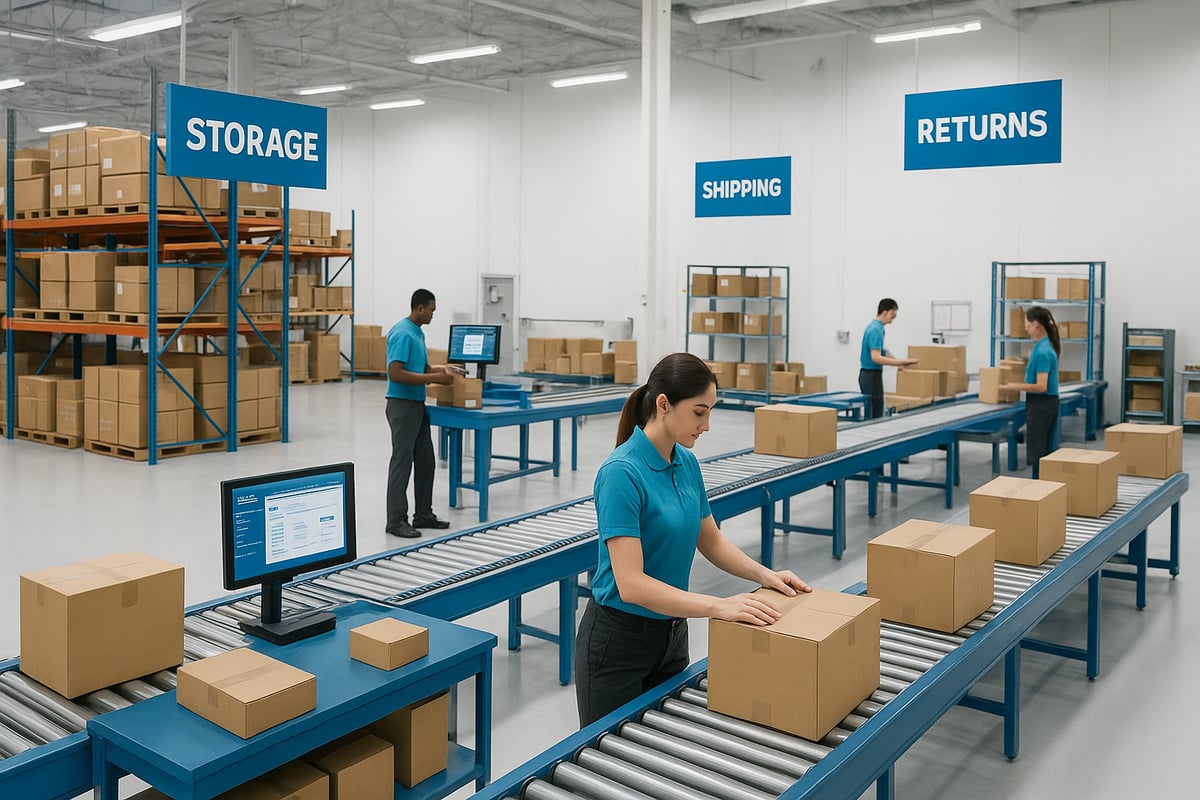
Storage fees are foundational to ecommerce fulfillment pricing. Providers may charge per pallet, per cubic foot, or by bin, with rates fluctuating based on seasonality and demand. For example, a brand with slow-moving or bulky inventory could see higher costs, especially during peak seasons when dynamic pricing models come into play.
In 2026, expect technology-driven inventory tracking to enable more precise storage billing. A single-SKU direct-to-consumer (DTC) brand might pay a flat monthly fee for a few pallets, while a multi-SKU, high-volume seller faces variable fees as inventory turns accelerate.
Pick & Pack: Tailored to Order Complexity
Pick and pack fees represent a core part of ecommerce fulfillment pricing. These charges usually include a base fee per order plus additional costs for each extra item. Brands offering kitting or bundling services may incur further surcharges due to added labor.
For instance, a subscription box company with complex assemblies will see higher pick and pack rates than a brand shipping single-item orders. Transparent item-level billing helps brands understand the true cost structure behind each fulfilled order.
Shipping: Carrier Costs and Pass-Through Rates
Shipping is often the most volatile aspect of ecommerce fulfillment pricing. Providers may pass through carrier rates directly or apply a markup. As carrier costs rise, especially with new fuel surcharges and dimensional weight pricing, shipping fees can quickly outpace other fulfillment costs.
Comparing fulfillment options means looking closely at how shipping is billed. Multi-SKU sellers shipping nationwide may benefit from negotiated carrier discounts or zone-based pricing. For a comprehensive overview of cost factors, see this What Are Fulfillment Services guide.
Receiving: Speed, Accuracy, and Frequency
Receiving fees are typically charged per pallet, carton, or hour. Brands with frequent inventory turns or complex inbound shipments must account for these charges in their ecommerce fulfillment pricing. Fast-growing businesses might prioritize fulfillment partners with efficient receiving processes to minimize delays and hidden costs.
A DTC brand with infrequent, bulk shipments will pay less in receiving fees than a high-volume seller managing weekly restocks and multiple SKUs.
Returns Processing & Technology: Transparency Gains Value
Returns processing is gaining significance as ecommerce return rates climb toward 30%. Fulfillment providers may charge per returned item, per return event, or offer bundled reverse logistics solutions. Efficient handling of returns directly impacts your bottom line.
Technology now automates cost tracking for every stage, from storage to returns. Providers invest in warehouse management systems (WMS) and real-time dashboards, giving brands clear visibility into each cost component. Transparent reporting empowers brands to optimize spend and avoid unexpected fees.
Understanding the core elements of ecommerce fulfillment pricing is the first step toward building a resilient, cost-effective fulfillment strategy for 2026.
Key Fulfillment Pricing Models in 2026
Understanding ecommerce fulfillment pricing models is essential for brands aiming to control costs and scale efficiently in 2026. With the landscape growing more complex, it is crucial to choose a model that aligns with your business type, order volume, and fulfillment needs. Each pricing structure comes with unique advantages, drawbacks, and cost implications.

Per Order Pricing Model
The Per Order Pricing Model charges a flat fee for each fulfilled order. This ecommerce fulfillment pricing structure is popular among brands with predictable, consistent order profiles.
Benefits include cost predictability and straightforward monthly budgeting. However, brands with multi-item or complex orders may encounter extra fees per additional item or service.
For example, if a provider charges $3.50 per order plus $0.50 for every extra item, a simple single-item order stays affordable, but a bundle-heavy order quickly increases total spend. Brands should be vigilant for hidden surcharges that can inflate costs without clear visibility.
Item-Based Pricing Model
Item-Based Pricing charges a set fee for every item picked and packed, making it a transparent option for businesses with variable order sizes. This ecommerce fulfillment pricing model aligns well with labor effort, so you only pay for the actual work performed.
The model is appealing for sellers with small, single-item shipments. However, for brands offering bundles or subscription boxes, costs can escalate rapidly as each item adds to the total. For instance, at $1.75 per item, an order with four items would cost $7 in pick and pack fees alone.
Consider your order composition and average items per order to determine if this model supports your growth goals.
Bundled/All-In Pricing Model
The Bundled or All-In Pricing Model combines core services under a single fee. Typically, ecommerce fulfillment pricing here covers storage, pick and pack, and sometimes software integration up to specified limits.
This structure simplifies accounting and reduces the number of line items to track. It suits brands looking for hassle-free management and predictable invoices. However, as order volume or complexity increases, the bundled rate may not scale efficiently, and overages or new surcharges could apply.
For example, a $6 per order bundled rate might include storage for up to 5 pallets, but any excess triggers additional fees. Always clarify what is included and where limits exist.
Cost-Plus Pricing Model
The Cost-Plus Pricing Model passes through the actual cost of fulfillment activities plus a fixed margin. This approach to ecommerce fulfillment pricing is valued for transparency and flexibility, especially for brands with fluctuating order profiles or custom needs.
Pros include clear insight into true costs and the ability to adapt as your business evolves. However, budgeting can become challenging as total spend may vary month to month. Strong, transparent reporting is vital to ensure trust.
For example, you might pay labor at cost plus 15% and storage at cost plus a markup. This model is best for brands wanting granular cost visibility and willing to engage in ongoing analysis.
Minimums, Surcharges, and Seasonal Adjustments
Many fulfillment providers now impose monthly minimums, surcharges, and seasonal adjustments to offset rising labor and storage expenses. Ecommerce fulfillment pricing minimums ensure providers cover operational costs, even if order volumes dip.
Peak season surcharges are common and can significantly impact small or seasonal brands. Minimum monthly spend requirements may lock brands into higher costs during slower months, while surcharges for special handling, kitting, or returns add complexity to invoices.
Understanding these adjustments is essential for accurate budgeting and avoiding surprises.
Comparing Ecommerce Fulfillment Pricing Models
To clarify the differences, see the table below:
| Pricing Model | Best For | Key Pros | Key Cons | Example Cost Structure |
|---|---|---|---|---|
| Per Order | Simple, steady order profiles | Predictable, easy to plan | Extra fees for add-ons | $3.50/order + $0.50/item |
| Item-Based | Single-item, variable orders | Labor-aligned, transparent | Expensive for bundles | $1.75/item |
| Bundled/All-In | Brands seeking simplicity | Few line items, simple | May not scale | $6/order incl. storage limit |
| Cost-Plus | Brands seeking full transparency | Flexible, honest pricing | Harder to predict spend | Cost + 15% margin |
For a deeper breakdown of fulfillment cost components and latest data, consider this Ecommerce fulfillment cost components analysis.
Selecting the right ecommerce fulfillment pricing model is foundational for profitability and strategic growth. By understanding each model’s mechanics, brands can avoid hidden costs and position themselves for long-term success.
Factors Influencing Fulfillment Pricing in 2026
The landscape of ecommerce fulfillment pricing is shifting as we approach 2026. Brands must understand the underlying forces shaping costs to make informed decisions. From labor trends to technology investments, several factors are driving changes in how fulfillment expenses are calculated and managed. Adapting to these influences will be critical for brands seeking competitive, sustainable fulfillment solutions.
Labor, Technology, and Automation
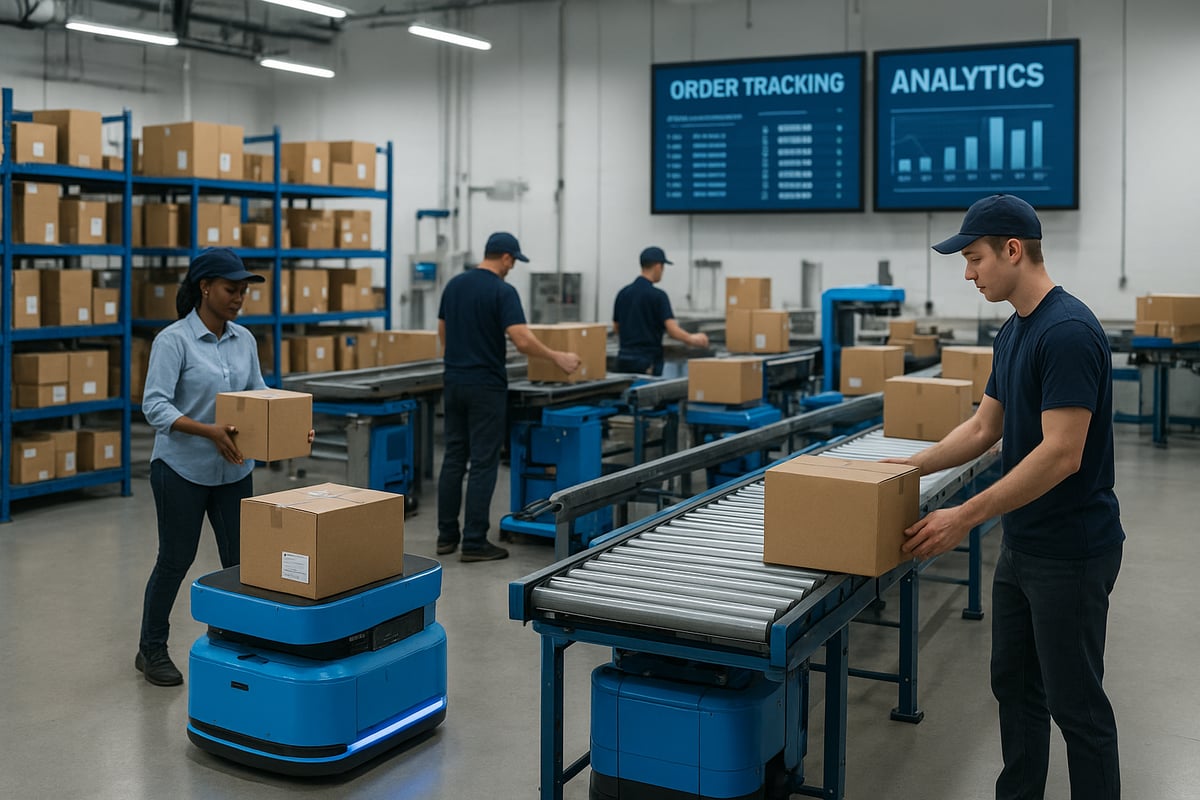
Labor remains a significant driver of ecommerce fulfillment pricing. As wages rise and labor shortages persist, fulfillment centers are investing in automation to offset costs. Robotics and artificial intelligence are increasingly used to streamline pick and pack operations, reducing manual labor and minimizing errors.
Warehouse management systems (WMS) are now standard, offering real-time inventory tracking and integration with ecommerce platforms. However, these technological advancements come with their own costs, such as software licensing, integration fees, and ongoing maintenance. Brands should evaluate how these investments impact their overall fulfillment spend, especially as automation becomes more prevalent by 2026.
Carrier and Shipping Cost Volatility
Shipping expenses play a pivotal role in ecommerce fulfillment pricing. Over the past years, carriers have introduced fuel surcharges, dimensional weight pricing, and frequent rate adjustments. These fluctuations make it challenging for brands to predict and control shipping costs.
Multi-carrier strategies are becoming essential, allowing brands to leverage regional carriers or negotiate volume discounts. Zone-based pricing differences also influence fulfillment expenses, especially for brands with a broad customer base. Staying informed about shipping rate trends and adopting flexible carrier solutions will help manage cost volatility in the coming years.
Inventory Management and Storage Dynamics
Inventory management strategies have a direct impact on ecommerce fulfillment pricing. Dynamic storage pricing models are now common, with fees varying based on inventory velocity, size, and seasonality. Slow-moving or bulky items often attract higher storage costs, particularly during peak periods.
To optimize spend, brands should focus on improving inventory turnover. Techniques like regular cycle counts, batch management, and compliance-driven surcharges for regulated products are increasingly relevant. Effective inventory control not only reduces storage fees but also supports smoother fulfillment operations, contributing to long-term cost efficiency.
Returns and Reverse Logistics
Returns are an inevitable part of ecommerce, with industry averages ranging from 20 to 30 percent. The cost structure for returns processing is evolving, with providers offering per item, per event, or bundled pricing models. Free returns policies, while attractive to consumers, can significantly increase fulfillment expenses if not managed carefully.
Reverse logistics is gaining in importance as brands seek to streamline returns and minimize associated costs. For an in-depth look at how reverse logistics solutions can optimize your returns process and impact your bottom line, see Reverse Logistics Solutions Explained. Prioritizing efficient returns management is essential to maintain healthy margins as returns volumes rise.
Geographic Location and Network Optimization
The location of fulfillment centers plays a crucial role in ecommerce fulfillment pricing. Warehouses closer to major customer hubs can reduce shipping zones and transit times, leading to lower shipping costs and faster deliveries. Centralized versus multi-node fulfillment strategies offer distinct advantages and challenges.
For example, a brand using coastal warehouses may benefit from lower shipping rates to nearby regions but face higher costs for inland deliveries. In contrast, a centrally located warehouse can provide more balanced shipping expenses across the country. Brands must assess their customer distribution and select a network strategy that aligns with their fulfillment needs and financial goals.
How to Accurately Compare Fulfillment Quotes
Choosing the right partner for ecommerce fulfillment pricing can make or break your bottom line. Yet, fulfillment quotes often arrive in wildly different formats, making true comparison challenging for brands aiming to optimize costs in 2026.
Building a True Apples-to-Apples Comparison
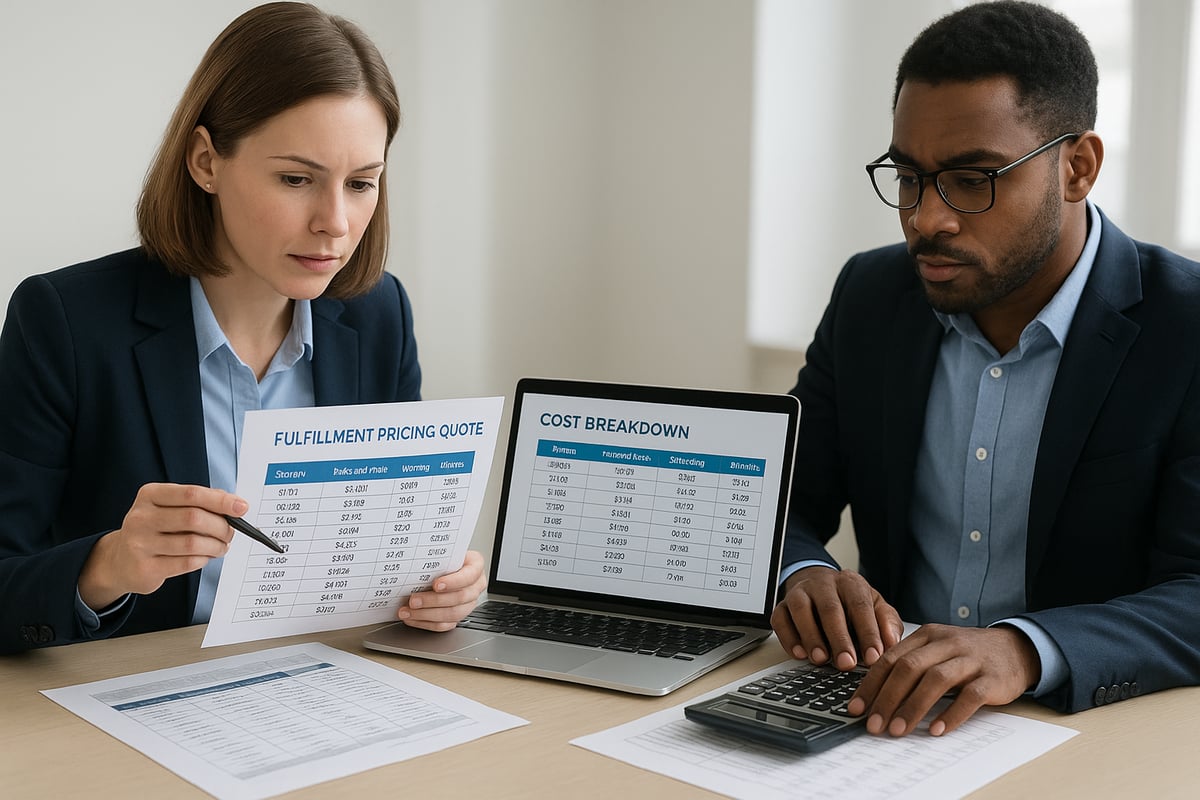
At first glance, ecommerce fulfillment pricing quotes may seem straightforward, but line-by-line comparisons often mislead. Providers use different structures, such as per order fees, storage by cubic foot, or bundled rates, making it tough to see which offer is best.
To accurately compare, you must model real historical orders. Gather data on average items per order, shipping weights, box sizes, and storage needs. Use these figures to calculate your total projected monthly cost with each provider.
A clear table can help visualize differences:
| Cost Component | 3PL A | 3PL B |
|---|---|---|
| Storage | $0.60/cubic ft/mo | $0.45/cubic ft/mo |
| Pick & Pack | $2.50/order | $1.75/item |
| Receiving | $30/pallet | $25/pallet |
| Returns Processing | $2.00/return | $1.00/item |
| Software | Included | $100/mo |
| Monthly Minimum | $500 | $250 |
Always include every component of ecommerce fulfillment pricing: storage, pick and pack, receiving, returns, software, and minimums. Do not just focus on the per order rate or pick fee, as these rarely tell the whole story.
Total monthly cost is the most reliable metric for budget planning. For example, if you process 1,000 orders per month with 2.5 items per order, run the math using your own order mix and volume. This approach ensures you compare apples to apples, not just numbers on a page.
Hidden Fees and Pricing Traps to Avoid
The complexity of ecommerce fulfillment pricing means hidden fees can lurk within contracts. Some providers advertise low pick fees but offset them with high storage charges or strict minimums. Others may bundle services with usage caps, leading to surprise overages as you scale.
Be on alert for ambiguous fees, such as hourly receiving with no clear time estimates or software charges not disclosed upfront. It is essential to clarify every line item and ask for a detailed explanation of cost structures.
Common pricing traps to watch for include:
- Storage minimums that exceed your needs
- Returns processing fees that spike with high return rates
- Software integration costs for each sales channel
- Surcharges during peak or holiday seasons
Consulting resources like Hidden 3PL fees to watch for in 2026 can help you spot these pitfalls and negotiate better terms.
Before signing, ensure your contract uses clear language and that you have an open Q&A with your provider. Transparency is key to managing ecommerce fulfillment pricing and avoiding cost surprises as your business grows.
The Impact of Fulfillment Technology on Pricing
The rapid evolution of technology is transforming how brands manage and control ecommerce fulfillment pricing. As automation, software, and analytics become industry standards, understanding their direct effects on cost structures is critical for every ecommerce business.
Software, Integrations, and Automation Fees
Modern order fulfillment relies heavily on advanced software platforms. Many fulfillment providers now offer a mix of included and à la carte software pricing models. Some bundle basic order management tools with their core services, while others charge additional monthly or per-order fees for advanced features.
Integration costs are another factor in ecommerce fulfillment pricing. Connecting with platforms like Shopify, Amazon, or WooCommerce may incur setup or ongoing maintenance fees. These integrations streamline operations but can add to the total cost.
Automation is reshaping fulfillment centers. Robotics and AI-powered systems reduce manual labor, improving speed and accuracy. However, these innovations often come with technology surcharges or higher base rates. Real-time order tracking and automated customer notifications are valuable add-ons, but may appear as line items on your invoice.
For brands planning ahead, staying informed about 2026 fulfillment trends for ecommerce brands is crucial. These trends suggest a continued rise in tech-driven fulfillment, leading to new pricing models and cost considerations. As a result, ecommerce fulfillment pricing is becoming more transparent, but also more complex as providers shift to value-based and usage-based structures.
Inventory Management and Analytics
Inventory management tools are now integral to controlling ecommerce fulfillment pricing. Features such as automated cycle counts, full physical counts, and real-time inventory adjustments help brands maintain accuracy and compliance.
Advanced analytics platforms are emerging as a competitive advantage. They enable brands to forecast demand, optimize inventory turnover, and minimize storage costs. This data-driven approach can dramatically reduce overstock and avoid unnecessary fees.
For example, predictive analytics allow brands to anticipate seasonal demand spikes and adjust inventory levels accordingly. This leads to smarter storage utilization and improved cash flow. To benchmark your approach, consider reviewing Ecommerce cost structure key benchmarks for industry standards on fulfillment spend.
Ultimately, leveraging technology for inventory management not only streamlines operations but also provides the insights needed to make informed decisions about ecommerce fulfillment pricing. Brands that adopt these tools can expect greater transparency, efficiency, and long-term savings.
Strategies to Optimize Your Fulfillment Spend in 2026
Ecommerce fulfillment pricing in 2026 will demand a proactive approach to cost management. With rising carrier fees, evolving technology, and more complex customer expectations, brands must actively seek out strategies to optimize every element of their fulfillment spend. By focusing on negotiation, channel management, inventory optimization, shipping, returns, and forecasting, brands can maintain margins and improve customer satisfaction.
Negotiating and Customizing Your Fulfillment Agreement
Negotiation is essential for controlling ecommerce fulfillment pricing. Begin by requesting detailed, custom quotes tailored to your business’s order profile and inventory needs. Do not settle for generic pricing—ask for transparency on storage, pick and pack, shipping, and returns.
Brands should push for lower monthly minimums and volume-based discounts, especially if their order volume fluctuates seasonally. Insist on clear service level agreements (SLAs) that define performance standards and cost transparency. Always review contracts for hidden fees and ensure all pricing terms are documented.
A table can help you compare custom quotes:
| Cost Component | Provider A | Provider B |
|---|---|---|
| Storage per Pallet | $20 | $18 |
| Pick & Pack per Item | $1.50 | $1.75 |
| Shipping Markup | 8% | 10% |
| Monthly Minimum | $500 | $0 |
Regularly renegotiating terms as your business grows ensures your ecommerce fulfillment pricing remains competitive.
Leveraging Multi-Channel and Omnichannel Fulfillment
Expanding into multi-channel and omnichannel fulfillment can significantly impact ecommerce fulfillment pricing. Managing fulfillment across direct-to-consumer, B2B, Amazon FBA, and subscription channels enables you to consolidate inventory and achieve greater efficiency.
Centralizing your fulfillment operations allows for better inventory control and reduces duplicate stock holding costs. Consider whether a single 3PL or a hybrid approach best suits your growth plans. For brands evaluating different fulfillment models, reviewing resources like Amazon FBA Prep vs. 3PL Fulfillment can help clarify the cost implications of each option.
Omnichannel strategies also allow you to leverage volume discounts, streamline order management, and provide faster delivery for customers across channels, further optimizing your fulfillment spend.
Inventory and Order Optimization
Optimizing inventory and orders is a direct lever for reducing ecommerce fulfillment pricing. Focus on increasing average order value through bundling or kitting, which helps lower per-item fulfillment costs. Efficient kitting can also minimize pick and pack labor by grouping items commonly ordered together.
Manage inventory velocity by using technology for automated reorder points, dynamic allocation, and real-time stock tracking. This reduces the risk of overstocking, which can drive up storage fees, or stockouts, which can harm customer experience.
Implement batch management and lot tracking for compliance and to avoid costly errors. Regularly analyze sales data to identify slow-moving SKUs and adjust your purchasing accordingly. These strategies ensure you pay only for storage and handling you truly need.
Shipping Cost Reduction Tactics
Shipping costs are a major driver of ecommerce fulfillment pricing. To keep rates manageable, negotiate directly with carriers or leverage your 3PL’s volume discounts. Many fulfillment partners can secure rates that are significantly lower than standard published fees.
Explore zone skipping, regional carriers, and hybrid shipping models to reduce last-mile costs and transit times. For a deep dive, see Cutting Ecommerce Fulfillment Shipping Costs for actionable strategies.
Real-world examples show brands saving up to 85% on shipping by optimizing their fulfillment network. Regularly review your shipping strategy to adapt to changing carrier rates and customer expectations.
Returns Management Best Practices
Returns are an unavoidable aspect of ecommerce fulfillment pricing. Streamline your returns process to minimize reverse logistics costs by automating returns authorization and processing. A clear, well-communicated returns policy reduces confusion and unnecessary returns.
Subscription box brands, for example, often minimize returns by curating products based on customer preferences and providing detailed product information. Use analytics to identify common return reasons and address issues with product descriptions, sizing, or packaging.
Bundling returns processing into your fulfillment agreement can also simplify cost forecasting and budgeting. Efficient returns management not only saves money but also enhances customer loyalty.
Forecasting and Budgeting for 2026 and Beyond
Effective forecasting and budgeting are critical for managing ecommerce fulfillment pricing over time. Build dynamic budgets that account for seasonal spikes, carrier surcharges, and business growth.
Leverage predictive analytics to anticipate demand fluctuations and optimize inventory levels. Set clear KPIs—such as fulfillment cost per order or inventory turnover rate—to monitor performance.
Regularly review your fulfillment spend and adjust strategies as needed. With a data-driven approach, you can adapt quickly to industry changes and protect your margins as the ecommerce landscape evolves.
As you look ahead to 2026, understanding the true cost of ecommerce fulfillment is more important than ever. We’ve explored the changing landscape—from dynamic pricing models to hidden fees and the impact of new technology—so you can make informed decisions for your brand’s growth. If you want clear answers and a custom solution that scales with your needs, we’re here to help. See exactly how transparent, hassle-free fulfillment can work for you by reaching out for a tailored quote. Let’s set your brand up for success—Get A Quote today.



[…] an increase to roughly $12 in 2026. For a deeper look at pricing models and average rates, the E-Commerce Fulfillment Pricing Guide breaks down key […]
[…] e-commerce fulfillment pricing structures helps brands model the costs of scaling and compare in-house versus outsourced economics […]
[…] systems reduce return rates, protect brand reputation, and maintain the operational efficiency that e-commerce fulfillment pricing models depend […]
[…] Space utilization, quality control, scalability limitations, and opportunity costs all factor into ecommerce fulfillment pricing […]
[…] services often deliver better overall economics when considering total costs including space, equipment, compliance risk, and opportunity costs of […]
[…] ecommerce fulfillment pricing structures enable accurate financial modeling and prevent surprise charges that erode margins. […]