

In 2026, customer demands in e-commerce have reached new heights as shoppers expect seamless, personalized experiences at every stage. Brands that want to lead must rethink their approach to ecom support, making it proactive, connected, and customer-centric.
This guide will show you how to master customer success in this evolving landscape. You will discover the latest trends shaping ecom support, step-by-step strategies for customer success, essential technologies, team best practices, and key metrics for ongoing improvement.
Now is the time to exceed expectations, build loyalty, and set your brand apart. Let us outline the roadmap to ecom support mastery.
The Evolution of Ecom Support: Trends Shaping 2026
Customer service in e-commerce is rapidly transforming. In 2026, brands must meet expectations shaped by new technology, shifting behaviors, and rising standards. Understanding these trends is key to staying competitive and building lasting trust.

The Shift to Omnichannel Support
Today’s consumers expect brands to provide support wherever they shop or interact. Seamless experiences across chat, email, phone, social media, and SMS are now non-negotiable. For brands, delivering consistent ecom support across channels is a crucial loyalty driver. In fact, 73% of shoppers say this consistency keeps them coming back. Companies integrating WhatsApp and TikTok into their support see higher engagement and improved satisfaction, proving omnichannel is the new normal.
AI and Automation in Customer Success
AI-powered chatbots and automation are transforming ecom support by resolving up to 80% of basic queries instantly. This not only reduces response times but also cuts operational costs. Automation handles routine tasks like order tracking, returns, and FAQ responses, freeing human agents for complex cases. To dive deeper into the impact of AI chatbots in e-commerce support, see this AI Chatbots in E-Commerce Support guide. As a result, brands can scale service without sacrificing quality.
Personalization at Scale
Personalized service is a top expectation in ecom support. Brands use purchase history and behavioral data to deliver hyper-personalized experiences. For example, they can proactively reach out if a customer abandons their cart or faces a delivery delay. According to McKinsey, 60% of consumers now prefer brands that tailor interactions to their needs. This approach not only increases satisfaction but also drives repeat purchases and loyalty.
Proactive vs. Reactive Support
The focus of ecom support is shifting from reactive problem solving to proactive engagement. Predictive analytics help flag at-risk customers, allowing teams to intervene before issues escalate. For example, if an order is delayed, an automated alert can trigger instant compensation or an apology message. This proactive stance builds trust and shows customers that brands care about their experience, not just their transactions.
Trust, Transparency, and Data Privacy
With increasing digital interactions, customers demand clear communication and secure handling of their personal data. Transparency in order tracking and privacy-first policies are essential for building confidence. Brands must comply with evolving regulations like GDPR and CCPA, ensuring data protection is a priority. By openly sharing privacy practices and providing real-time updates, companies foster a sense of security and reliability in every customer interaction.
Building a Customer Success Framework for Ecom Brands
Mastering ecom support requires a strategic framework that goes beyond traditional customer service. Brands must focus on proactive engagement, measurable outcomes, and integrated technology. By building on these pillars, you can deliver consistent, exceptional experiences that foster loyalty and drive growth.

Defining Customer Success in E-Commerce
Customer success in e-commerce is more than resolving issues, it is about ensuring every customer reaches their desired outcome with your brand. Unlike traditional support, which is reactive, ecom support focuses on long-term satisfaction and value.
Key success metrics include:
- Retention rate
- Net Promoter Score (NPS)
- Repeat purchase rate
For example, subscription brands leverage ecom support to maximize lifetime value, emphasizing proactive engagement rather than just quick fixes. This shift transforms support teams into growth drivers.
Mapping the Customer Journey
An effective ecom support strategy starts with mapping the entire customer journey. Identify critical touchpoints, including pre-sale inquiries, checkout, post-purchase engagement, and returns.
Create journey maps to uncover friction points and opportunities for delight. For instance, improving onboarding can significantly reduce churn rates. Consider how efficient fulfillment impacts support: How e-commerce fulfillment works highlights why seamless logistics are vital for customer satisfaction.
By analyzing each phase, brands can tailor ecom support to meet evolving needs.
Setting Service Level Agreements (SLAs) and Expectations
Clear SLAs are the backbone of reliable ecom support. Establish specific response and resolution times for every channel, from live chat to email.
In 2026, 24/7 availability and under-one-hour responses are standard expectations. Communicate these benchmarks upfront to set customer trust and reduce frustration.
A transparent SLA policy ensures ecom support teams meet or exceed industry standards, leading to improved satisfaction and repeat business.
Empowering Support Teams
Empowered teams are essential for delivering top-tier ecom support. Invest in ongoing training that covers empathy, product expertise, and advanced problem-solving.
Encourage cross-functional collaboration with product, logistics, and marketing departments. Equip agents with real-time data on inventory and shipping, enabling fast and accurate responses.
For example, support professionals with access to integrated systems resolve issues more efficiently, elevating the overall customer experience.
Feedback Loops and Continuous Improvement
Continuous feedback is the engine of effective ecom support. Gather insights through surveys, product reviews, and direct outreach after key interactions.
Implement regular process reviews, such as monthly “voice of the customer” sessions, to drive innovation and adapt to changing expectations. Use feedback to refine policies and address pain points quickly.
This commitment to improvement positions your ecom support team as a trusted partner in the customer journey.
Technology Stack for Scalable Success
A robust technology stack is non-negotiable for scalable ecom support. Integrate CRM, helpdesk, and automation tools to centralize information and streamline workflows.
Centralized knowledge bases empower both customers and agents to find answers quickly. AI-powered ticket routing directs inquiries to specialized agents, reducing wait times and increasing resolution rates.
By leveraging technology, ecom support can handle increased volumes without sacrificing quality or personalization.
Step-by-Step: Delivering Exceptional Ecom Support in 2026
To master ecom support in 2026, brands must follow a structured, customer-centric approach. Each step below is designed to address evolving shopper needs, streamline operations, and create memorable experiences that drive loyalty.

Step 1: Streamline Onboarding and Self-Service
First impressions count in ecom support. Make account creation fast, intuitive, and secure. Offer clear FAQs, quick-start guides, and video tutorials to empower new customers.
Seventy percent of shoppers prefer self-service options for straightforward issues. Build a comprehensive knowledge base and interactive onboarding flows to guide users through their first purchase or setup. This reduces early support requests and helps customers get value quickly.
Consider using onboarding checklists or progress trackers. These tools boost engagement and set clear expectations from the start, helping your ecom support team focus on more complex queries.
Step 2: Enable Omnichannel, Real-Time Assistance
Customers expect help wherever they are. Integrate all support channels—chat, email, phone, social, and SMS—into a unified inbox for your ecom support agents.
Leverage real-time chat, with seamless escalation to human experts when needed. Social media DMs should link directly to order management systems, ensuring support is consistent no matter the channel.
Speed matters. Responding in under an hour is the new standard. Use automation for triage, but always ensure customers can easily reach a person when needed. This builds trust and keeps your ecom support responsive.
Step 3: Personalize Every Interaction
Customers value brands that recognize them. Use CRM data to greet shoppers by name and reference past purchases. Automated recommendations based on browsing and purchase history can enhance satisfaction.
Personalized follow-ups are essential, especially for high-value customers. For example, send targeted offers or check-ins after a significant order. Ecom support should make every interaction feel tailored and meaningful.
Invest in AI tools that surface customer preferences and predict needs. This allows your team to deliver proactive, individualized support, setting your brand apart in a crowded market.
Step 4: Proactive Issue Resolution
Anticipating problems is a hallmark of great ecom support. Monitor orders for delays or errors and reach out to customers before they contact you.
Set up automated alerts for common issues, such as shipping delays or payment problems. Offer instant compensation or discounts when service falls short. For example, a delay could trigger an automatic SMS apology and a coupon for future purchases.
This proactive approach reassures customers and demonstrates your commitment to their satisfaction, reducing frustration and increasing loyalty.
Step 5: Efficient Returns and Reverse Logistics
A seamless returns process is crucial for ecom support success. Provide hassle-free, automated return options with instant refunds when possible.
Integrate your support tools with logistics partners to offer real-time tracking and status updates. Adopt a “no questions asked” return policy to build trust and encourage repeat purchases.
For more advanced strategies and solutions, explore reverse logistics and returns solutions to optimize every step of your returns process. Efficient handling of returns not only delights customers but also streamlines internal operations.
Step 6: Measure and Optimize Support Performance
Continuous improvement is essential for leading ecom support teams. Track key metrics such as CSAT, NPS, first response time, resolution time, and ticket volume.
Use weekly dashboards to spot trends and benchmark against industry standards. Regular reporting helps managers identify opportunities for training and process updates.
Encourage a culture of learning. Act on feedback from surveys and reviews to refine your support approach. By measuring and optimizing performance, your ecom support operation will stay ahead of customer expectations.
Empowering Your Ecom Support Team for Success
Empowering your ecom support team is crucial for delivering memorable customer experiences in 2026. As customer expectations rise, brands must invest in people, processes, and technology to stay ahead. The following best practices will help your team achieve excellence, drive loyalty, and ensure your ecom support stands out in a crowded market.

Recruiting and Training for 2026
Building a high-performing ecom support team starts with recruiting individuals who demonstrate empathy, adaptability, and strong technical skills. These qualities are essential as support roles evolve to require quick learning and comfort with new tools.
Ongoing training keeps your team sharp. Implement continuous learning programs focused on product knowledge, customer psychology, and emerging technologies. Gamified training modules can boost engagement and retention, ensuring agents are motivated to deliver top-tier ecom support.
Building a Collaborative Culture
A collaborative culture is the backbone of effective ecom support. Encourage open communication and shared goals between support, product, logistics, and marketing teams.
Regular feedback sessions, peer mentoring, and cross-team huddles help break down silos. For deeper insights into how seamless collaboration enhances customer experience, review these Omnichannel Customer Experience Trends. When teams work together, customers receive faster, more accurate responses, strengthening brand trust.
Motivation and Retention Strategies
Supporting your ecom support agents extends beyond training. Develop recognition programs to celebrate achievements and provide clear career advancement paths.
Offer flexible work arrangements and mental health resources to maintain well-being. Quarterly awards for top-performing agents not only reward excellence but also foster a positive, motivating environment. These strategies help reduce turnover and build a loyal, high-performing ecom support team.
Leveraging Technology for Productivity
Technology is a key enabler for ecom support efficiency. Equip your team with AI assistants for ticket triage and knowledge base suggestions. Real-time dashboards allow agents to track their performance and identify areas for improvement.
Automated reminders and follow-up systems ensure nothing falls through the cracks. By integrating these tools, your ecom support team can handle larger volumes, resolve issues faster, and focus more on complex customer needs.
Maintaining Human Touch in a Digital World
Despite advances in automation, the human element remains vital in ecom support. Train agents to recognize when to step in with empathy, especially for sensitive or complex cases.
Balance automated responses with genuine, personalized interactions, such as sending video messages to VIP customers. This approach ensures your brand remains approachable and caring, building lasting loyalty through every ecom support interaction.
Essential Technologies Powering Ecom Support in 2026
The technology landscape for ecom support is rapidly advancing, reshaping how brands deliver customer success. In 2026, leveraging the right tools is essential to keep pace with rising expectations and complex journeys. Let us explore the five core technologies powering exceptional ecom support today.
AI-Powered Chatbots and Virtual Assistants
AI chatbots are front and center in ecom support, offering instant, 24/7 resolutions for common inquiries. These intelligent assistants can handle up to 80 percent of order status or FAQ requests, freeing human agents for complex cases. This shift not only reduces wait times but also increases operational efficiency.
Advanced virtual assistants now provide seamless handoffs to live agents, ensuring continuity and satisfaction. The global adoption of AI in e-commerce is accelerating, as highlighted in recent AI in E-Commerce Market Growth reports, underlining its critical role in modern ecom support.
Unified CRM and Helpdesk Platforms
Unified CRM and helpdesk platforms are the backbone of effective ecom support operations. By centralizing customer data, order history, and interactions, agents can deliver personalized service across every channel. Integration with e-commerce platforms like Shopify or Magento ensures no customer inquiry falls through the cracks.
With all information in one dashboard, ecom support teams resolve issues faster and build stronger relationships. This holistic view empowers brands to anticipate needs, upsell relevant products, and maintain consistent support quality.
Automation Tools for Workflow Efficiency
Automation tools are transforming ecom support by streamlining tasks such as ticket routing, tagging, and escalation. These solutions eliminate manual steps, allowing agents to focus on meaningful interactions. Automated self-service portals and knowledge bases let customers find answers quickly, further reducing ticket volumes.
Brands using automation in ecom support report significant reductions in average handle time and increased customer satisfaction. Automated workflows also ensure that urgent issues receive immediate attention, improving overall support outcomes.
Analytics and Reporting Solutions
Analytics and reporting solutions are vital for data-driven ecom support. Real-time dashboards track key metrics like response time, ticket volume, and customer sentiment. Predictive analytics help support leaders forecast demand spikes after major sales events or product launches.
By leveraging these insights, ecom support teams can adjust staffing, identify recurring pain points, and continuously refine their processes. Data-driven decisions result in proactive customer care and measurable performance improvements.
Voice and Video Support Channels
Voice and video support channels are gaining traction as customers seek more interactive problem-solving options. Live video support enables agents to guide users through complex product setups or troubleshoot visually. Voice assistants offer hands-free troubleshooting for on-the-go shoppers.
Augmented reality video calls further enhance the ecom support experience, allowing for real-time demonstrations and personalized assistance. As these channels mature, brands can deliver human, empathetic support alongside digital efficiency.
Metrics, KPIs, and Feedback Loops for Continuous Improvement
Tracking the right metrics is crucial for optimizing ecom support in 2026. Reliable data helps teams identify gaps, refine processes, and consistently exceed customer expectations. By focusing on actionable KPIs, brands can turn every interaction into a step toward long-term loyalty.
Core Ecom Support Metrics
Every successful ecom support strategy starts with clear metrics. Key performance indicators include CSAT, NPS, CES, first response time, and ticket backlog. For example, achieving a CSAT above 90 percent reflects world-class service. Tracking metrics tied to e-commerce fulfillment services overview helps ensure seamless order experiences, which directly impacts support scores.
| Metric | Industry Benchmark 2026 |
|---|---|
| CSAT | 90%+ |
| First Response Time | < 1 hour |
| NPS | 60+ |
Consistently monitoring these KPIs positions brands to deliver ecom support that builds trust and retention.
Advanced Analytics for Predictive Insights
Modern ecom support teams leverage AI-powered analytics to predict customer needs. By analyzing historical tickets and behavioral data, brands can proactively identify at-risk customers or anticipate ticket spikes after major campaigns. Predictive churn models help reduce attrition by 15 percent, while correlating support and sales data uncovers new retention drivers.
Using advanced analytics, managers can forecast staffing requirements and optimize every touchpoint. This data-driven approach ensures ecom support stays ahead of customer expectations.
Closing the Feedback Loop
Effective ecom support is not just about resolving issues, but also about learning from every interaction. Brands gather feedback through post-interaction surveys, product reviews, and direct outreach. Acting on recurring themes—such as slow shipping or unclear policies—leads to meaningful improvements.
Implementing customer-driven changes, like those found in subscription box fulfillment strategies, can boost retention and satisfaction. Regular review sessions make sure insights lead to action, not just reports.
Benchmarking and Goal Setting
Continuous improvement in ecom support requires benchmarking against industry leaders and setting ambitious yet realistic targets. Brands analyze competitor performance, set quarterly goals, and track progress in real time. For example, reducing first response time by 20 percent year-over-year sets a clear standard for excellence.
This process motivates teams and keeps support operations aligned with evolving customer demands. Regular benchmarking ensures that ecom support remains competitive and forward-thinking.
Reporting and Communication
Transparent reporting is the backbone of continuous improvement. Sharing ecom support performance data across departments fosters collaboration and accountability. Monthly all-hands meetings highlight trends, celebrate wins, and identify areas for growth.
By communicating results and lessons learned, brands empower every team member to contribute to exceptional customer experiences. Open dialogue turns feedback into a powerful tool for innovation.
As you look ahead to mastering customer success in 2026, it’s clear that seamless support, smart automation, and a personal touch are essential for your brand’s growth. With Ecom Automation Prep’s proven fulfillment solutions—including Amazon FBA prep, kitting, and scalable direct-to-consumer services—you can focus on building loyalty and exceeding customer expectations without worrying about logistics. If you’re ready to make e-commerce fulfillment effortless and support your team with reliable, innovative processes, let’s talk about how we can help your brand thrive.
Contact Us
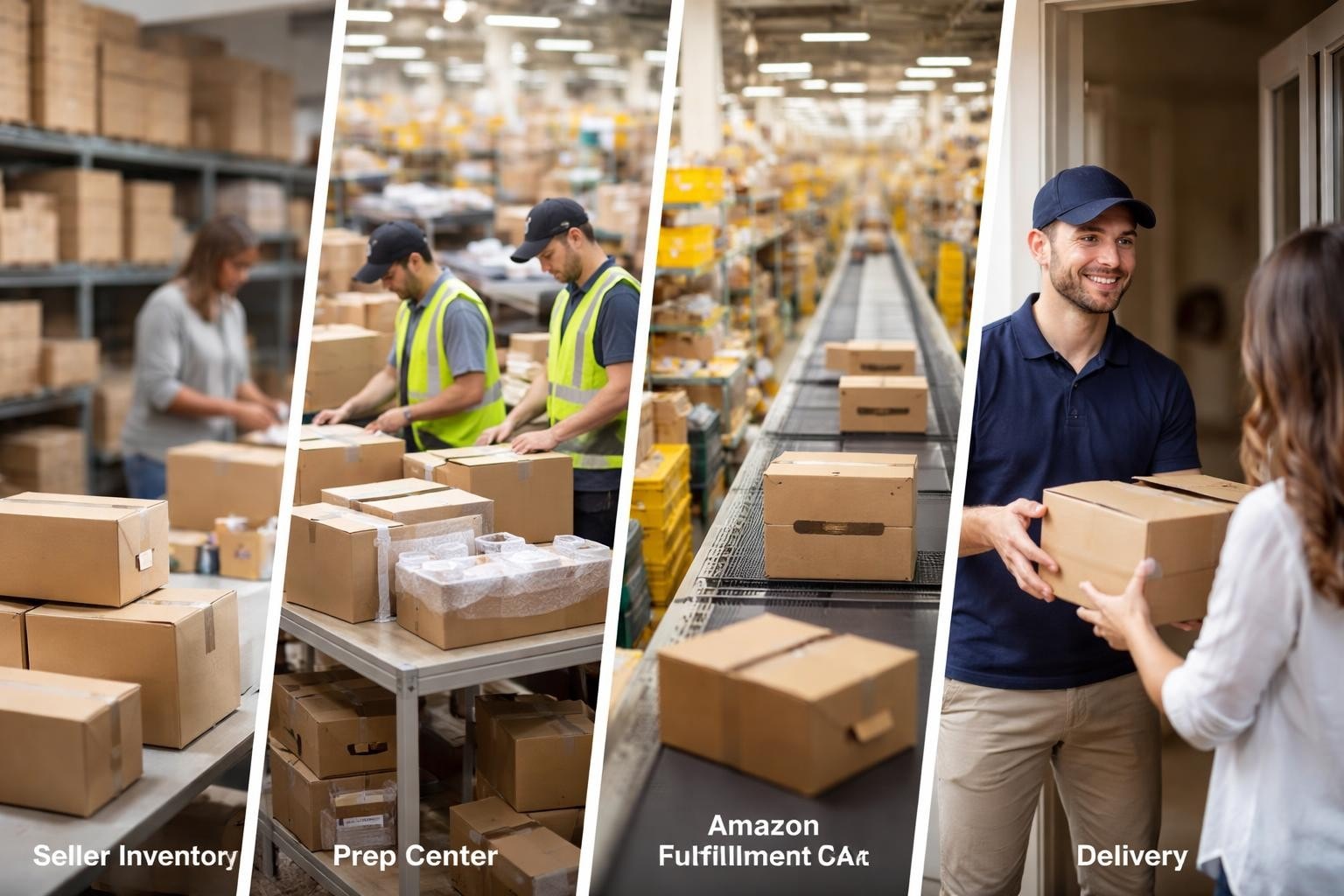



[…] Integrations with support systems enable instant order confirmations, shipping updates, and quick responses to post-purchase inquiries. For best practices on building effective support into e-commerce, visit E-commerce support best practices. […]